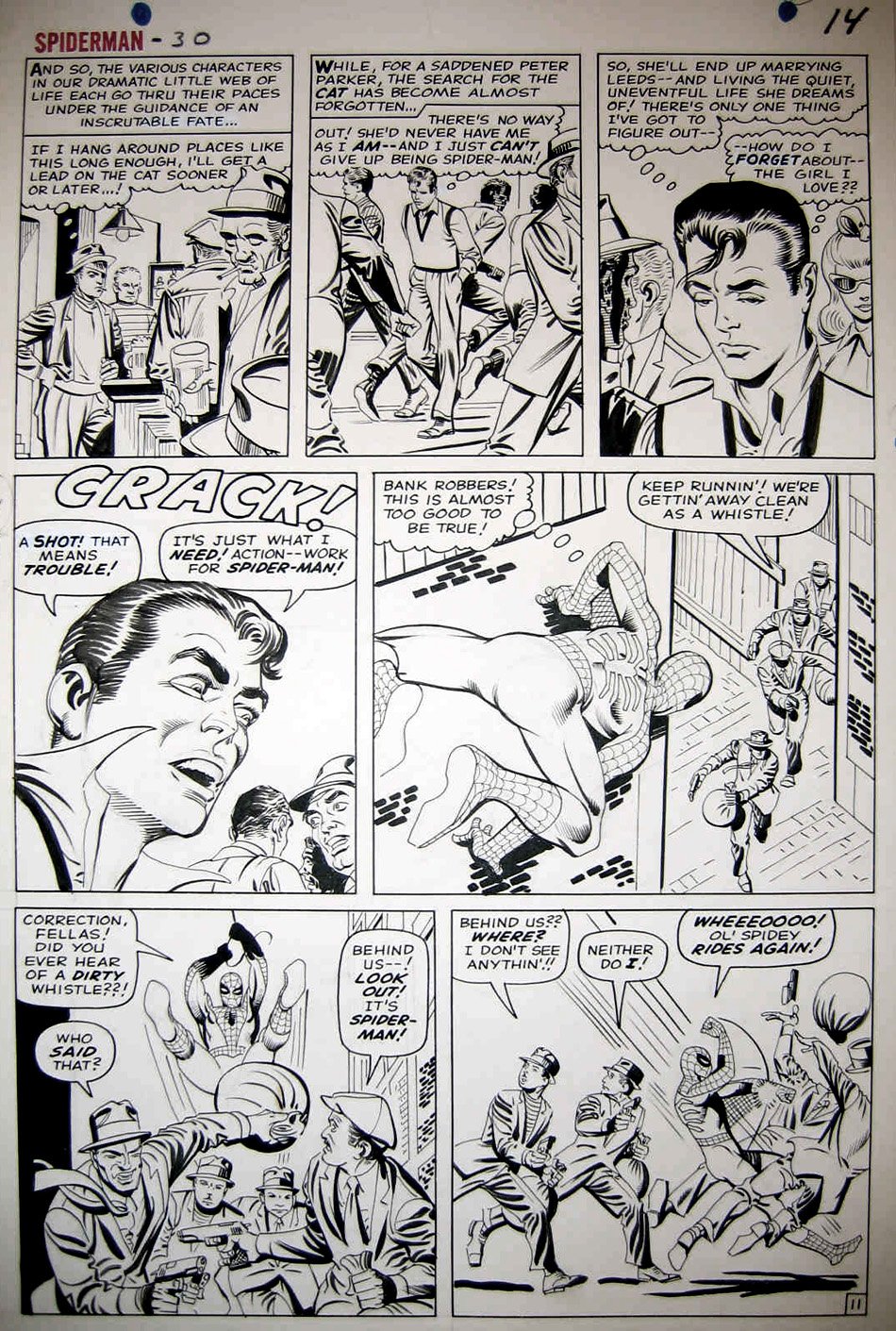


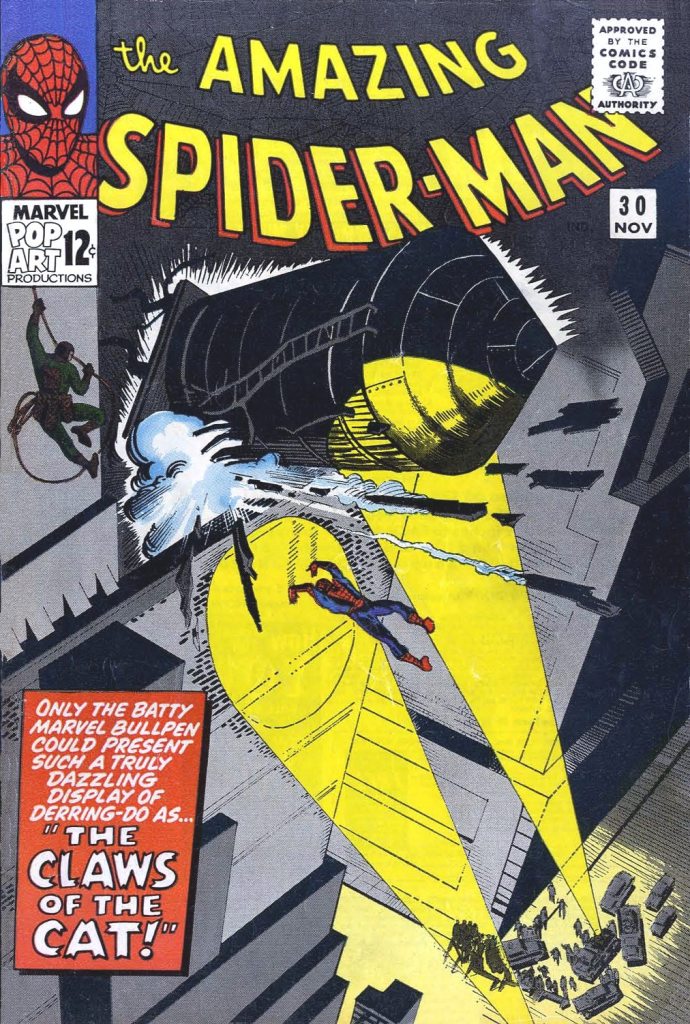
The question of who did what on the early Marvel books is going to be something that’s debated and argued ad infinitum, so long as the characters remain worldwide icons as they’ve become in recent years. Speaking for myself, while I enjoy weighing in on certain aspects of these questions, I’m of the broad belief that the only genuine way to capture who did what is to credit it all to Lee and Kirby or Lee and Ditko, and so forth. Neither collaborator did nothing, contributed nothing, and while the balance of work on any given story might skew more sharply in one direction than another, the secret sauce of Marvel’s success was the collaboration between a small group of comic book titans. That said, the collaboration wasn’t without problems, and in certain instances almost unforgivable snafus. This issue of AMAZING SPIDER-MAN is an excellent example of this phenomenon in action, a case where Lee and Ditko aren’t on the same page with one another, and so the finished result becomes a mishmash.
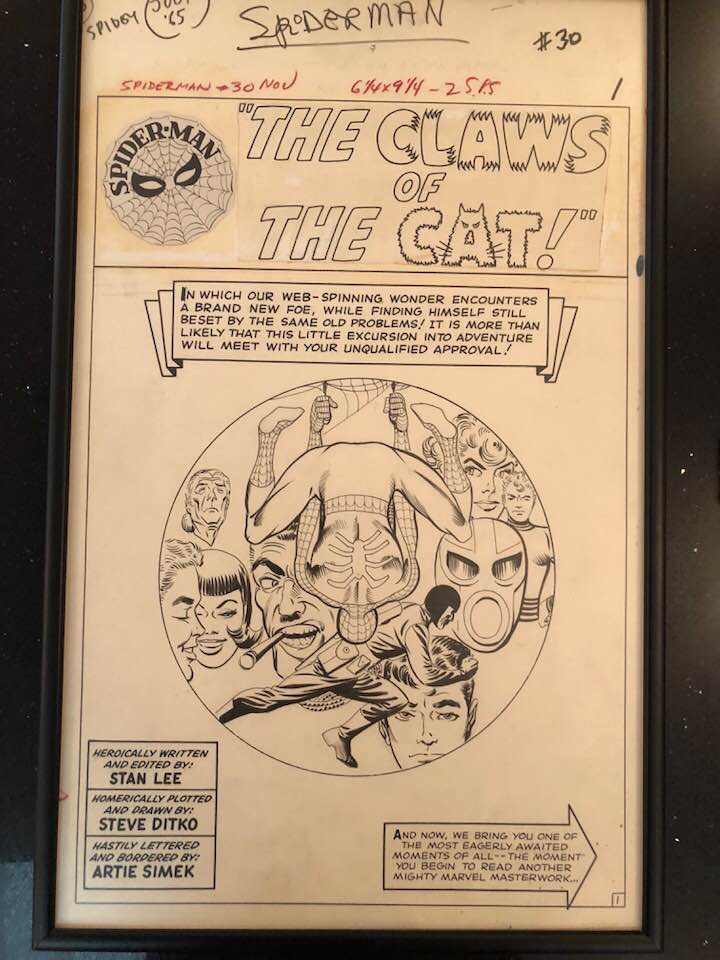
First off, we need to set the stage. By the time of AMAZING SPIDER-MAN #30, Stan Lee and Steve Ditko had been working together for six or seven years. Spidey, their greatest creation, had become a massive success even then–while it wasn’t yet the firm’s top-selling series, it was about to become that. What’s more, it was critically popular as well. Still, not all was calm underneath the hood. From the start, Steve Ditko had been called upon to do more and more of the plotting on the series, as part of what was then known as the “Marvel method” of production. In brief: Lee and an artist would have a plot conversation to work out the broad strokes of a story, then the artist would go away and draw it–sometimes from typed-up notes summarizing the conversation, often without any notes at all. And then Lee would take the finished artwork, write the actual copy that would go on the page, and ask for any editorial changes that he deemed necessary. More frequently than was desirable, Stan would change the direction of a given story mid-stream, which might call for an artist to redo several pages without additional compensation. This didn’t happen to Ditko with any regularity as far as we know, but it did happen to Kirby and everybody else.
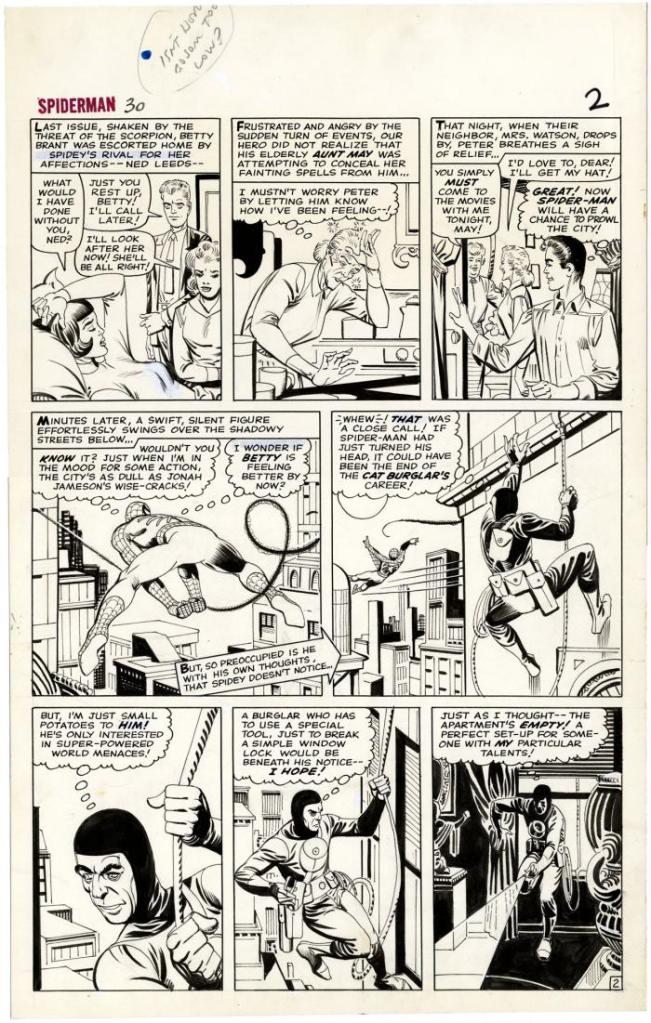
But as Ditko began to become more and more responsible for the content of the stories, he began to rightly demand credit for his efforts. Lee had taken to introducing credit boxes in all of Marvel’s comics that gave an accounting of who did what, but most often he himself was credited as writer–which was accurate as far as it went, but which didn’t capture the true breakdown of who was doing what. At a certain point, Ditko demanded that he get plotting credit on the strip, and Lee acquiesced to him. Beginning with AMAZING SPIDER-MAN #25, Ditko would be so credited. But this demand apparently was the straw that broke the relationship between the two men. From that point on, Lee and Ditko stopped speaking with one another, and produced all of their later issues without any direct contact, with production man Sol Brodsky functioning as an intermediary. Ditko would bring in his pencils for an issue along with brief notes on what was going on in each panel, Lee would dialogue the job without any further contact with Ditko, and then the boards would go back to Ditko to ink, where he’d see what Lee had done to the story he’d turned in. As Ditko was becoming more frustrated with their working relationship, it seems that he made a deliberate choice not to correct Lee past a certain point–which is where this particular story goes right off the rails.
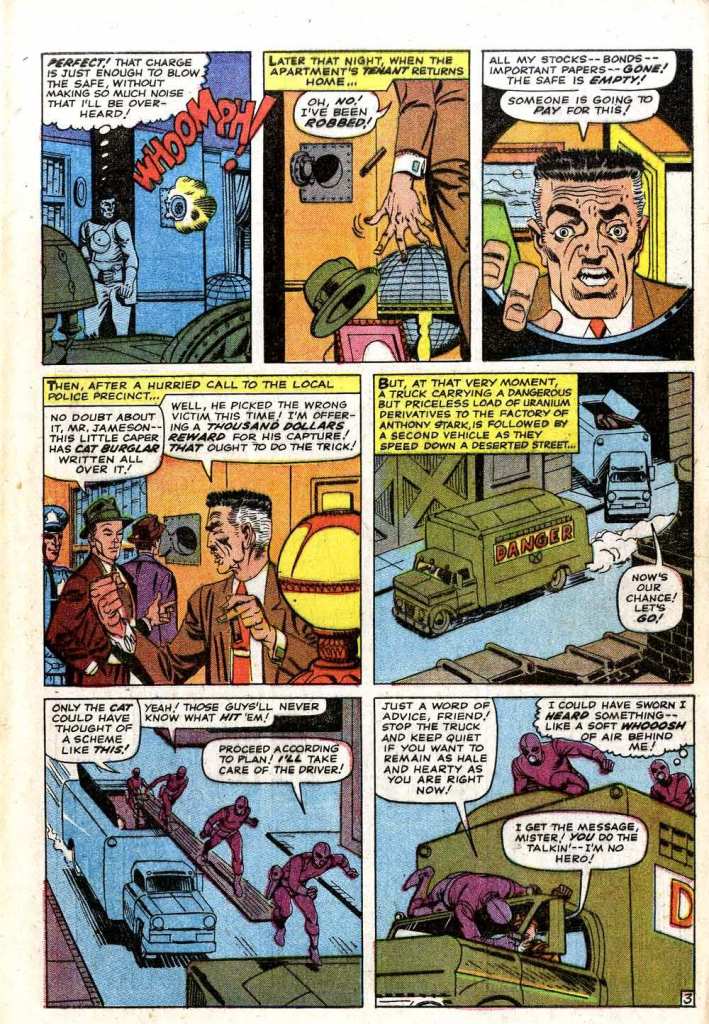
Ditko was by this point in the narrative beginning to juggle assorted plotlines in soap opera style, to create ongoing interest in the series. So the main story in this issue concerned a notorious Cat Burglar who was hitting up high-rise targets throughout Manhattan, but who was anonymous enough and low-impact enough that he didn’t really warrant Spider-Man’s attention–at least not until the Cat his J. Jonah Jamenson’s penthouse and the Daily Bugle publisher posted a big reward for his capture. At the same time, Ditko was setting up the next story, which featured an underworld figure known as the Master Planner, whose gangs were pulling heists of super-scientific equipment all across the city. The Master Planner was really Spidey’s old foe Doctor Octopus, bug his identity was concealed for a few issues so that reveal could carry some impact with it. The Master Planner’s gang all wore distinctive uniforms with full stylized face-masks–that’s them boarding the truck carrying precious uranium on the page above.
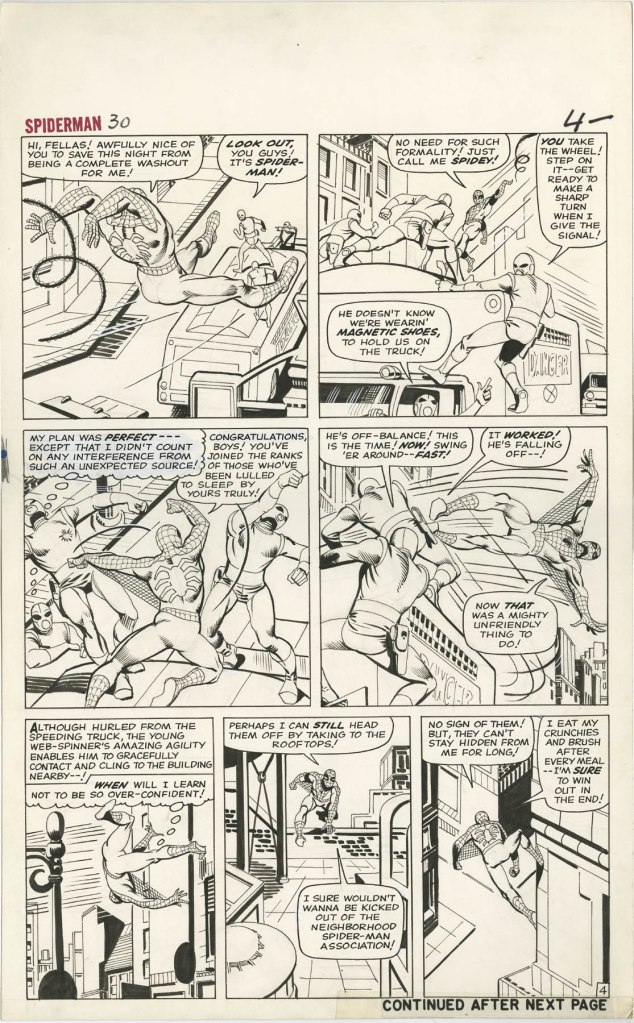
And here’s where the trouble comes in. Ditko clearly intends for the Master Planner’s gang and the Cat Burglar to be two separate things, both of which Spider-Man deals with in this issue. But either because he didn’t realize this fact from Ditko’s story notes or because he decided that it made for a better story to tie these elements all together, Lee chose to script this story as though the Planner’s guys are actually the Cat Burglar’s men. In fact, on this page in Panel 3 he adds a balloon indicating that the Cat himself is one of these men attempting to steal the uranium. It’s likely that when Lee made this choice, he didn’t realize that Ditko was planning to bring these guys back across the next three issues. And Ditko, upon seeing the manner in which Lee had mangled the story, apparently didn’t bother to inform either him or Sol Brodsky of this fact. He was content for Lee’s misunderstanding to embarrass him in print once the story and subsequent issues came out.
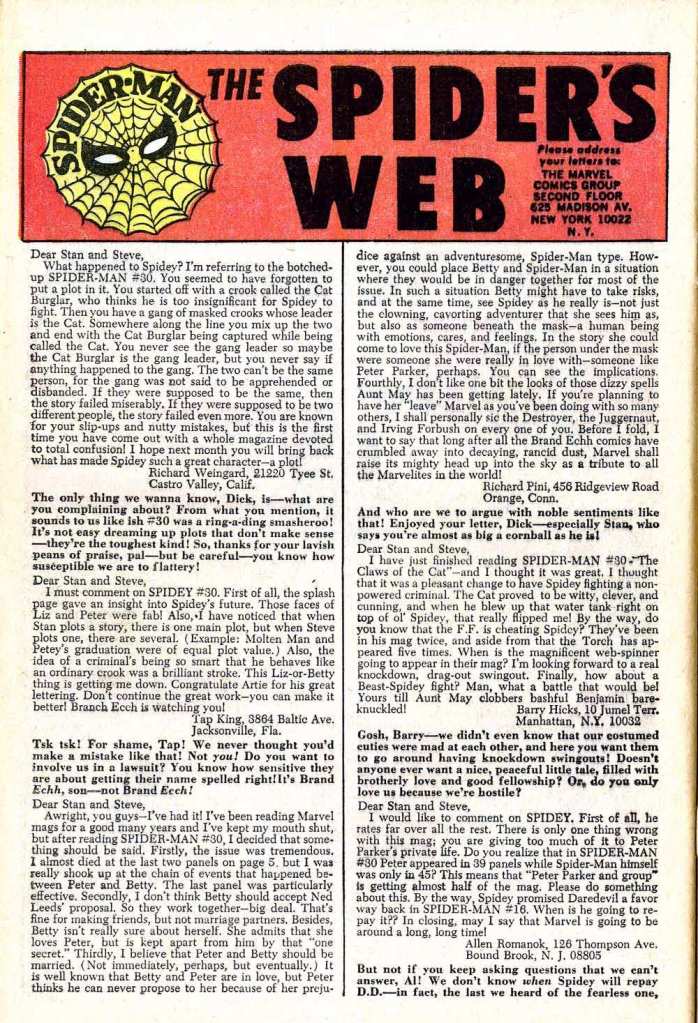
Which is exactly what happened. Once they had issues #31-33 to look at as well, even uninitiated readers could tell that something had gone fundamentally wrong in AMAZING SPIDER-MAN #30. And even readers just reading this story could tell that there was something amiss. The reaction must have been relatively significant, because stan leads off the Spider’s Web letters page in AMAZING SPIDER-MAN #34 that comments on this issue with a letter directly addressing this situation. Lee tries to laugh things off, but clearly he’ s not feeling happy about being exposed in public in this manner. Though he’s at least got the fact that Ditko is listed as the plotter to help provide a bit of cover for his mistake.
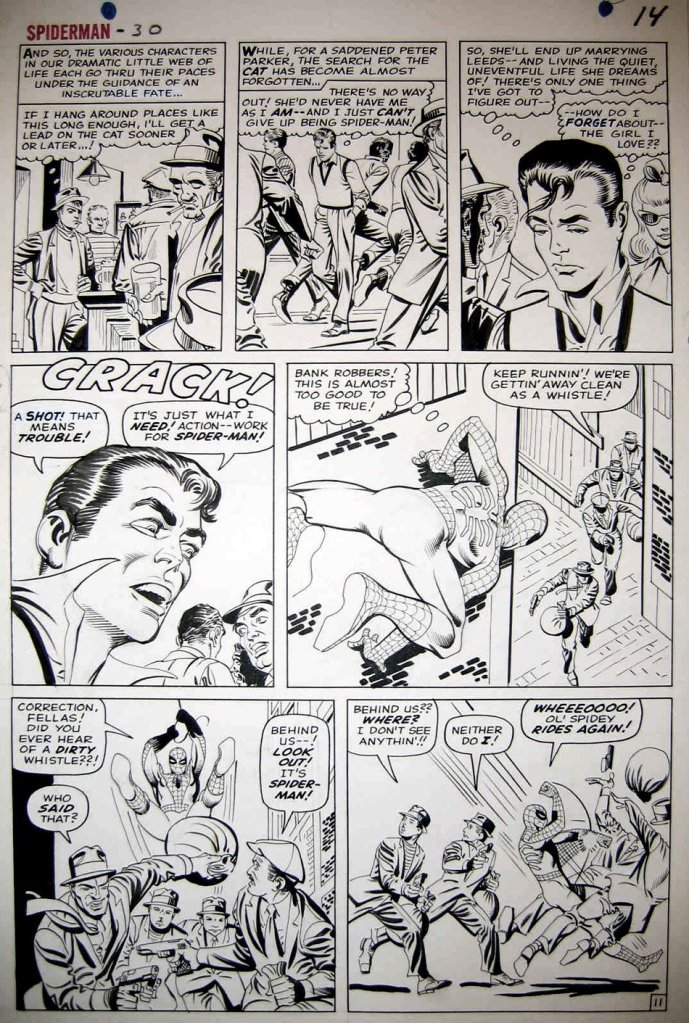
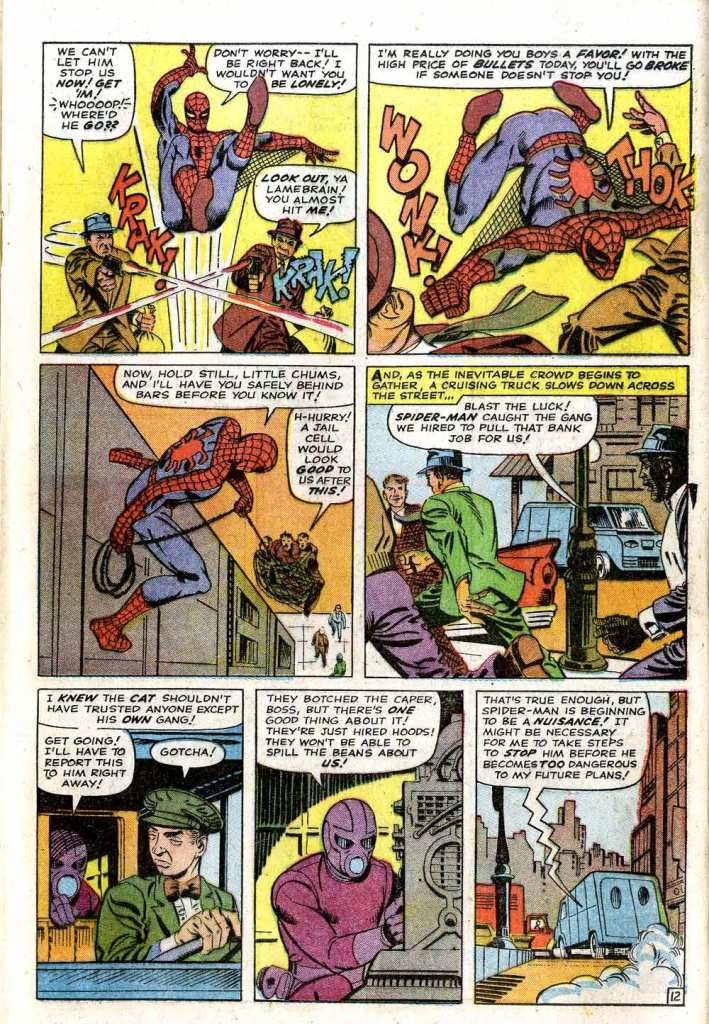
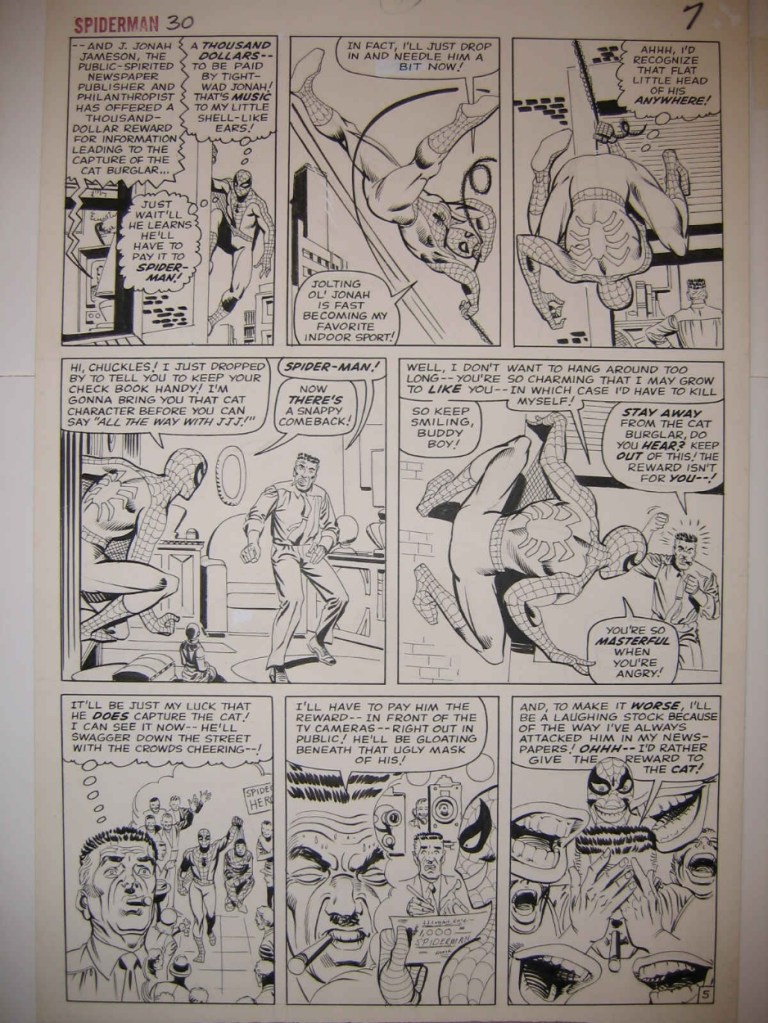
There’s a later sequence in AMAZING SPIDER-MAN #30 in which, while he’s trying to track down the Cat Burglar so that he can claim the reward offered by Jameson and make him look like a dope in public (a motivation which strangely mirrors what happened to Lee as a result of this issue) Spidey winds up clobbering a group of what is described as bank robbers. But there isn’t anything in the artwork that specifically indicates that it was a bank that they had looted, and at the end of the sequence, it turns out that they had been hired by the Master Planner’s lieutenant–for all we know, these may have been the same footsoldiers we saw in full Master Planner gear at the opening of the issue, with only the Planner’s number two man getting away. In any case, Lee again scripts this sequence as though it’s the Cat who is the mastermind behind this job, which is clearly not the case from context clues throughout the rest of this job and the next three issues.
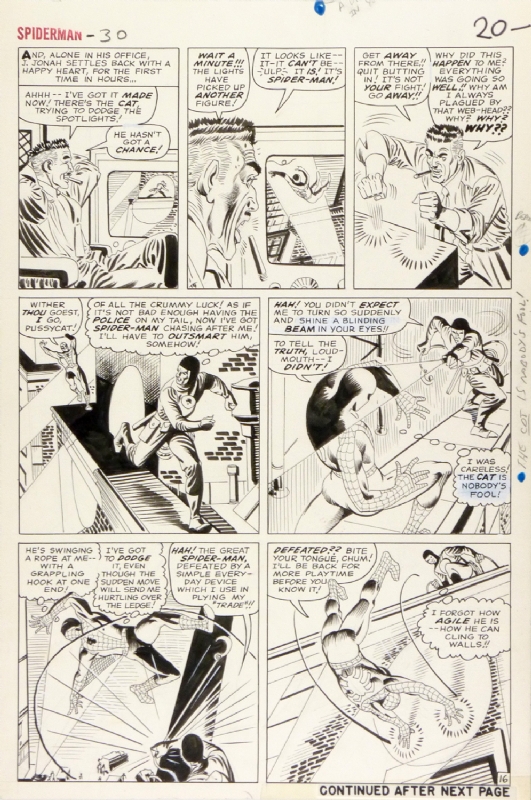
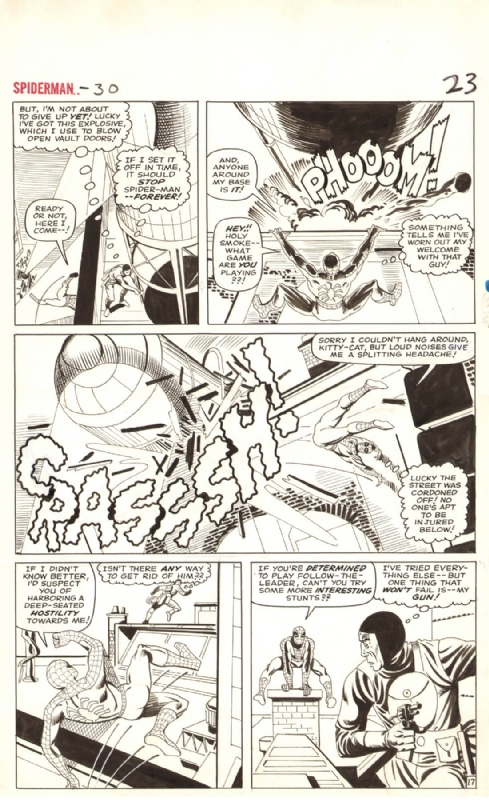
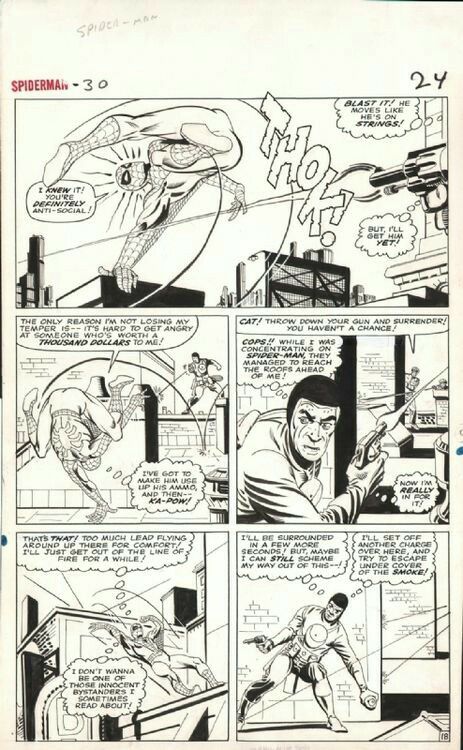
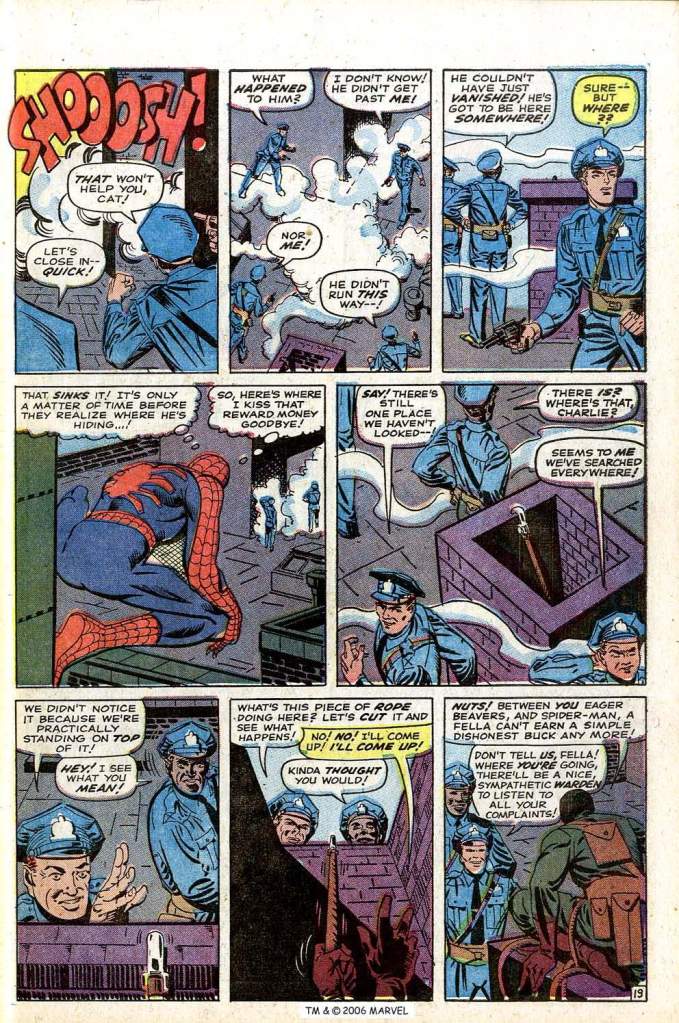
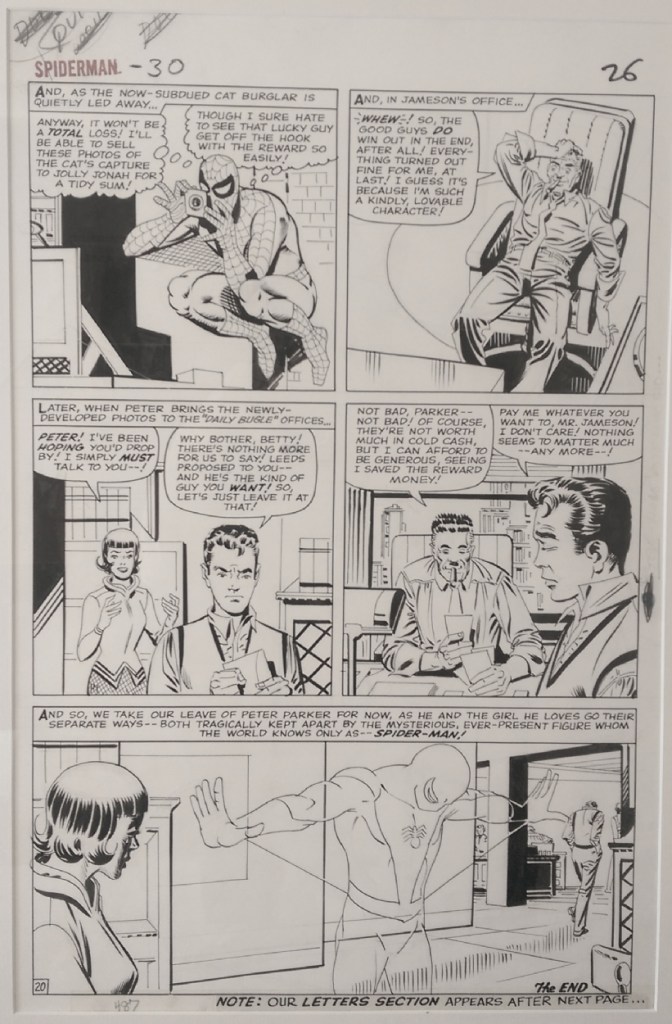
And just to cover the wrap-up, the back portion of the issue is relatively straightforward, with Spidey catching up with the Cat Burglar while he’s pulling a job and fighting to bring him in. But the web-head is foiled when a bunch of cops swarm the scene, and they wind up working out where the Cat Burglar is hiding and apprehend him before the wall-crawler can do the same. So Jonah’s honor remains intact, though Spidey does wind up getting photos of the Cat’s arrest that he can peddle to James to at least put a few dollars into his pocket for his efforts.
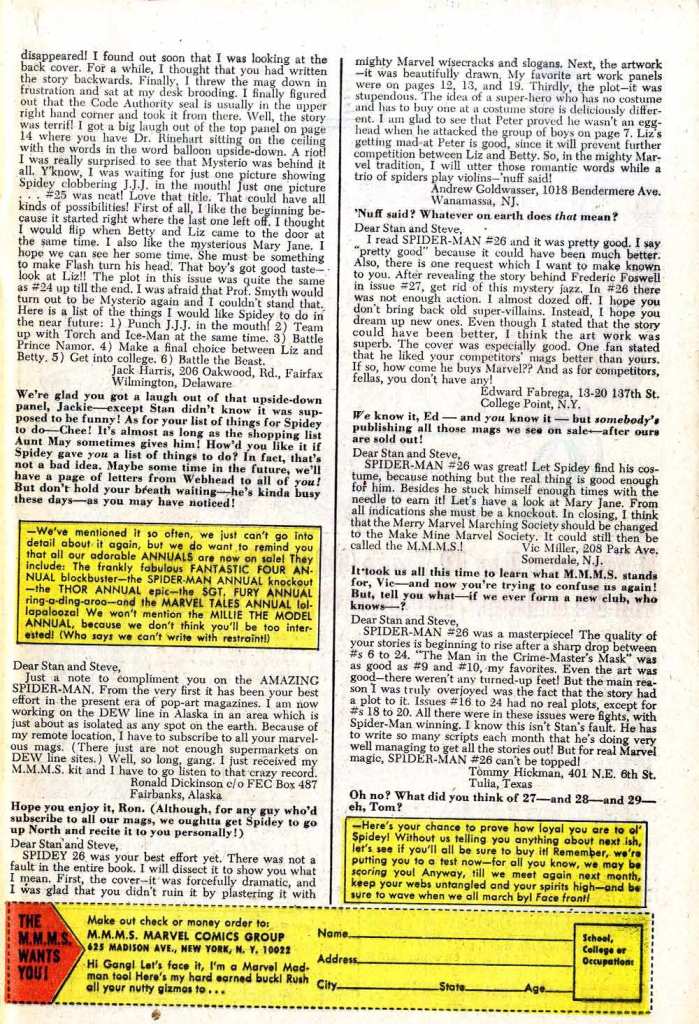
The next issue blurb on the Spider’s Web letters page in AMAZING SPIDER-MAN #30 lacks any detail about the next story, indicating that when he wrote this page, Lee still did not have any idea about the Master Planner plotline or how it would play out across the next few issues. His refusal to speak with Ditko directly left him flying blind.
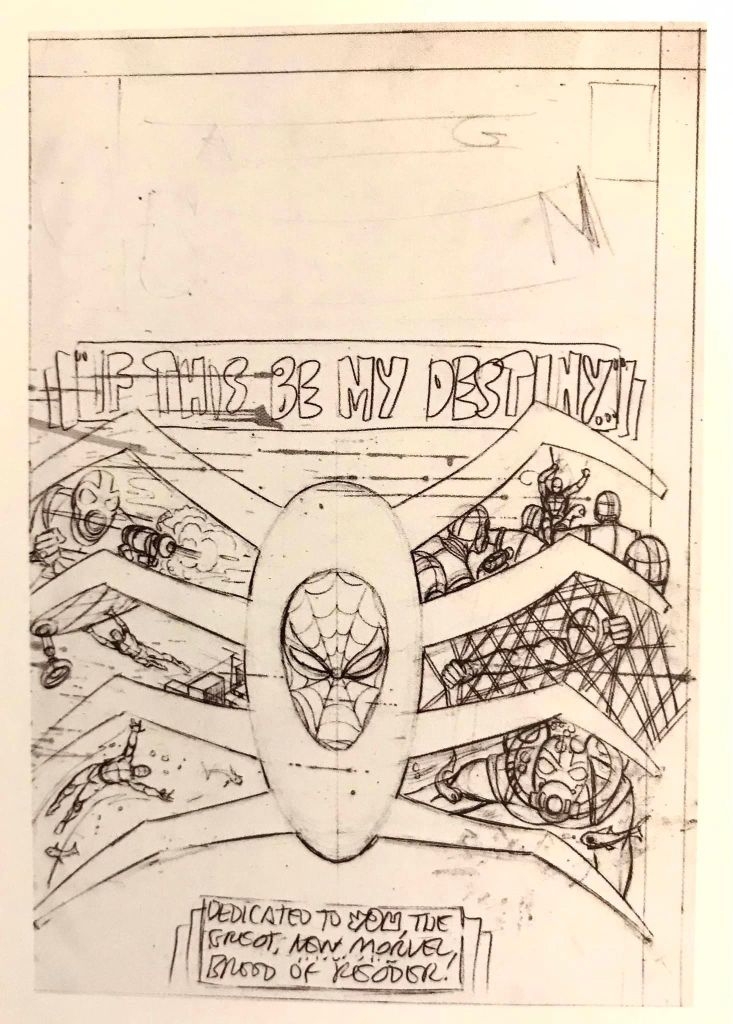
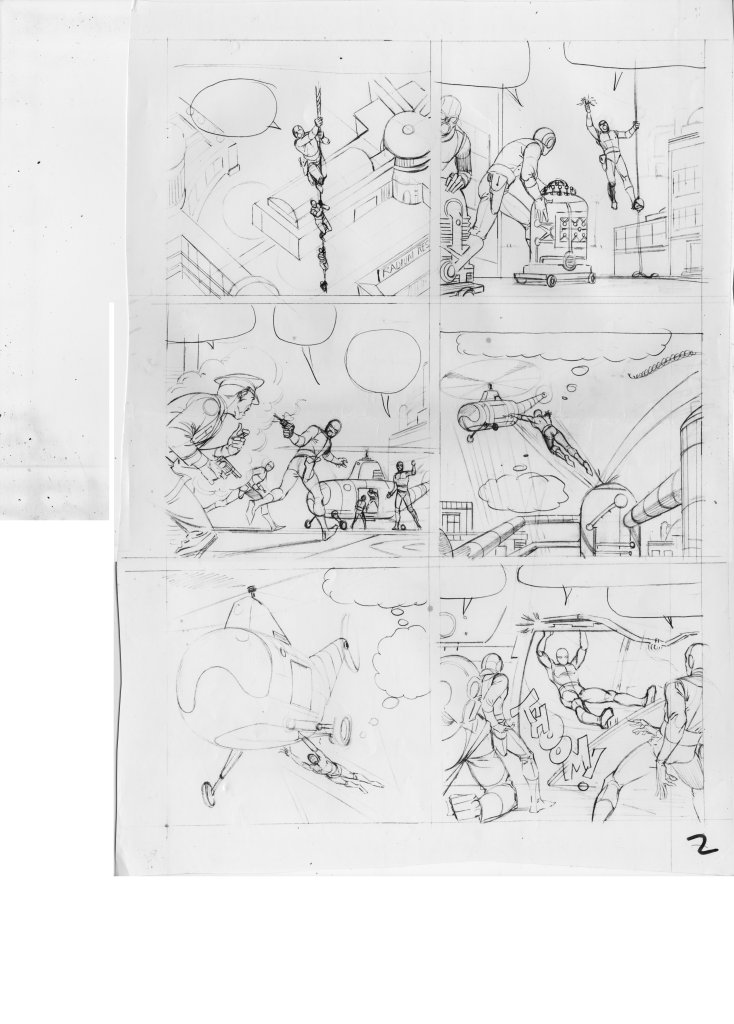
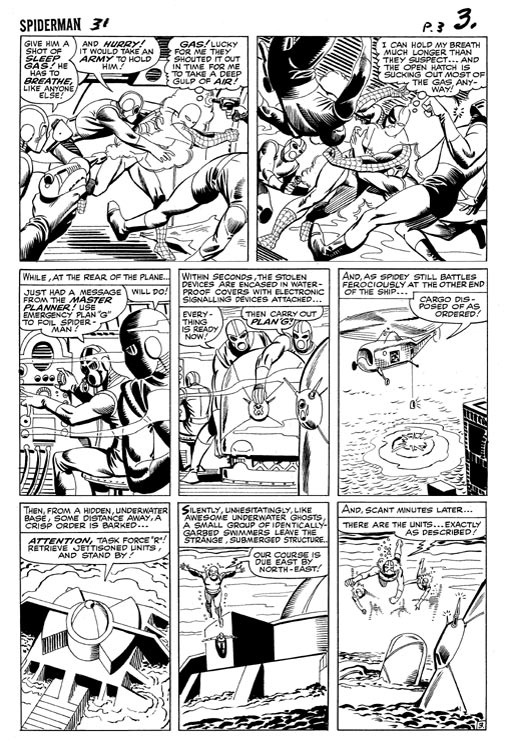
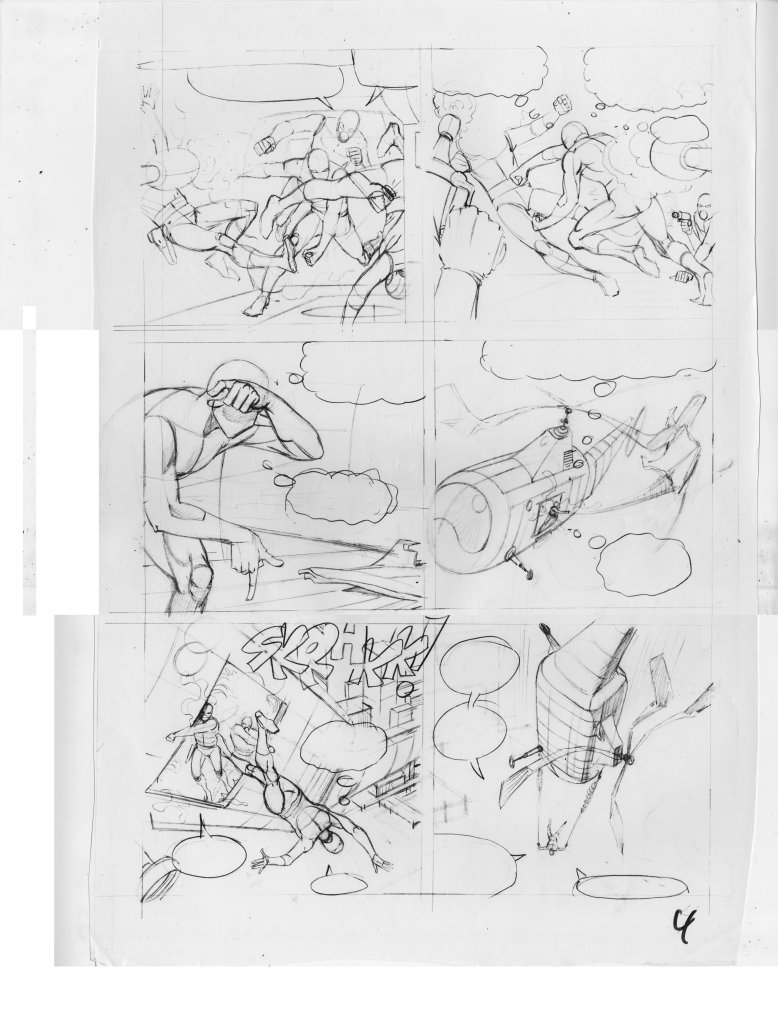
There are any number of examples that can be pointed to in the early Marvel books where Stan either misinterprets what an artist intends or else makes a choice to go in a different direction with a moment even though the imagery doesn’t support that decision. It was a side-effect of working in this manner, and especially at the speed at which these stories were being produced. And much of the young audience of the time didn’t really notice or care–they accepted whatever was on the page as the intent of the creators. But situations such as this one do provide us with some insight into who was contributing what to each of these early stories.
 The Tom Brevoort Experience
Rereading the Silver Age stuff when I’m aware of the Marvel method, I’m much more aware of this kind of thing than I used to be. An Iron Man story where Iron Man smashes the same device twice judging by the thought balloons, for instance. Or a Daredevil where the Trapster’s paste is easily dissolved by nail polish (“He must have deliberately used a weaker formula!”).
Names like The Cat Burglar, or the Assassin, or the Hitman annoy me. Putting “the” in front of your job description does not make you special (nor would they be able to trademark it, though I imagine they weren’t too worried about that).
It’s interesting to read Lee and Kirby or Lee and Ditko comics from this period and realize they were doing the same kind of interwoven plots Claremont and Cockrum (or Byrne) would do a decade later in X-Men, though very different in style.
LikeLike
I’m looking at his marvel.fandom.com and the Cat Burglar was also just called The Cat. His aged replacement decades later the Black Fox has a better name( I would have added his female replacement the Black Cat but she is dressed in a costume like a super-villain or hero ), but I still like the Cat Burglar only he should have been a Daredevil foe not a Spider-Man one.
LikeLike
“Tsk tsk!” -Stan Lee
(I guess he used the phrase first?)
LikeLike
Ditko’s art still look great though. Every page is a winner and the bad guy isn’t even a super villain. There’s no lack of commitment to the art… which makes the story failing very unfortunate.
There’s a lot we don’t know about their personal relationship, but neither Stan or Steve come out looking great here. Even if Ditko’s intent wasn’t to allow Stan to embarrass himself at this point the onus is still on Stan as the boss to resolve a work dispute before it devolves to that point. It’s difficult to parse how either guy thought not speaking to each other was going to work moving forward… which it obviously didn’t.
LikeLiked by 1 person
I agree Stan should have resolved the work dispute since he was the one in the wrong for not giving Steve Ditko credit for all his work not just Artist.
LikeLike
Super-egos. ;-( Ditko was ripped off, in my opinion, legally or not. Spider-Man continues to be one of the most recognizable characters in pop culture. Ditko should’ve been fully compensated.
LikeLike
I wonder if any new information ever came out about Ditko’s eventual compensation, due to the litigation his estate brought over copyright issues. I recall some speculation that Ditko got some sort of payment when he was still alive, but it wasn’t detailed. Still, it would have been a relative pittance.
https://ew.com/marvel-settles-lawsuit-spider-man-co-creator-steve-ditko-estate-8413648
Stan Lee did quite well for himself, estimated $50 million estate. But that was from being a Company Man for decades and doing Hollywood stuff and the like.
LikeLiked by 1 person
This seems to be more support for the idea that it was Lee who wouldn’t talk to Ditko, rather than the other way around. Not pointing out Stan’s scripting errors feels like “Well, if he won’t talk to me then I’m not going to insist; let him look like a fool if that’s how he wants to work.”
Trivia note: The “Jack Harris” in that lettercol is Jack C. Harris, the DC editor and writer of the 1970s and later.
LikeLiked by 1 person
The Master Planner’s henchmen’s costumes/uniforms appear in The Buzz#1-3 ( July-September 2000 –MC2 Universe ) limited series working for Doctor Octopus and Dr. Jade ( Sonja Jade ).
LikeLiked by 1 person
The problem is that Lee wasn’t going to hand the book over to Ditko.
You would see this happen time and time again that Ditko couldn’t work with others or if he did he was behaving more like an art robot than a collaborator.
What tends to get forgotten is that Ditko returned to Marvel. Lee could have shut it down. Instead you have Lee praising Ditko and welcoming him back.
Ditko wasn’t going to get the control that he wanted and sooner or later there would be conflict.
Ditko would go on to self-publish and make millions and no one can forget the tv shows and movies that would follow.
Ditko is/was a critical darling but Lee after years of limited success and failure with the Ditko/Kirby/etc. figured it out. Year after year during the 60s, his writing had become commercially viable.
Lee wasn’t an artist and so would never be able to do this alone. It had to be hard for him to lose Ditko and Kirby — I believe that he wanted to work more with them than vice versa.
But it’s the same today or basically the same. Someone will assert that Lee is getting all the credit. Today, the conversation is about the writers and artists, what artists?
LikeLiked by 2 people
Yes, one big thing in Lee’s favor is that he didn’t seem to hold grudges when artists had major falling-outs with him. Further, Lee seemed to have an approach that they were making a product. Now, it should be as good a product as possible within their time and resources, but “good” means saleable first. Thus if anyone else had a difference of opinion in terms of direction or vision, Lee made the decision. And that obviously would ruffle feathers with some artists.
LikeLiked by 1 person
Absolutely. It was Stans job to ensure the books sold and the buck stopped with him.
He seemed to have found a method that even had DC stumped. Romita remembers being in DC meetings (before he went back to Marvel) where they couldn’t work out how or why Marvel was doing so well. Romita said it was like an open secret in full view – just make the people seem like real people living real lives with real problems living in real places like New York, and Stans dialogue seemed to make a lot of difference too. DC just didn’t think any of that was what was making the difference.
In various interviews, Romita said that Stan giving the artists free reign to draw the plots they’d worked on made a huge difference in how the books turned out. The ‘Marvel Method’ as we call it today. Romita even goas as far as to say that he thinks Stan saved comic books by doing that. Lots of interviews, both written and on YouTube have Romita praising Stan for how he ran the show, and how his dialogue made a big difference. Romita would read the copy after Stan had finished it, and he said it elevated his stories, and he said he felt Kirby would have thought the same (see the link below), but Kirby didn’t read the books, which is a shame. If Kirby had realised how important Stan was to the books success, he might not have gone to DC and suffered the failures there with his books. I followed Jack to DC back in the day, and still loved his art, but his 4th World Stuff was no match to his work with Lee at Marvel.
This is an interesting interview with Romita, warts and all about Stan:
https://twomorrows.com/comicbookartist/articles/06romita.html
When it comes to making books sell, on the Steranko Wiki entry, it quotes Steranko saying that Stan probably knew the industry better than anyone:
“There were plenty of hassles with Stan Lee, of course. I felt that if I was good enough to work for them, then they should accept my work without a lot of maddening editorial changes. But now, I think I may have been wrong. After all, Marvel was paying the tab. Stan is a great editor. He stresses storytelling and really knows the comics business, probably better than anyone else”.
-Steranko.
That seems to be the issue that Ditko and Kirby had, and ultimately was probably why they left. A crying shame.
So if siding with anyone when it came to issues etc, I think I’d have to fall on the side of Stan not being the problem as such. With hindsight, even Steranko says as much.
LikeLike
Enjoyed this as usual but thought I would provide some thoughts on some of the statements presented (even though I realize the article wasn’t meant to be a detailed history).
The statement that “Lee and an artist would have a plot conversation to work out the broad strokes of a story” applies more to the period after Lee stopped using written story synopses. Ditko specifically recalled working from 1–2-page synopses on strips such as Spider-Man, Dr. Strange and The Hulk. In the case of ASM #3—where Ditko suggested a villain with mechanical arms—Lee went away and returned with a written synopsis. On Amazing Spider-Man, this process continued at least as late as ASM #14, when Ditko rejected several of Lee’s directions concerning the Green Goblin. Only afterwards did the plots move to a purely verbal process, before Ditko eventually took over plots completely. (Of course, Lee reportedly DID discuss those early outlines with Ditko…but the point is that the outline was already written…sometimes with story elements that Ditko disagreed with).
It’s also stated that “From the start, Steve Ditko had been called upon to do more and more of the plotting on the series.” That needs qualification. Ditko was always an “artist-plus,” as he put it, because the written outlines were not complete stories: they didn’t contain panel breakdowns, detailed actions, and so forth. But it was Ditko himself who sought greater control over both Spider-Man and Dr. Strange, and he explained how and why this happened in his various essays.
I also don’t think we can assert that Ditko “began to rightly demand credit for his efforts.” That may well be true—but we simply don’t know. In his essays (which he intended as a true record of his time at Marvel) that Ditko noted how he raised numerous issues with Lee, including sound effects, speed lines, plot points, the amount of space devoted to the civilian cast, and the idea of Spider-Woman. We also have a fairly detailed description of cover-design meeting that went awry. Yet, despite all of this, Ditko himself NEVER mentioned raising the issue of credit directly with Lee. It is perhaps telling that Ditko wasn’t satisfied with ANY of the credits he received, even after receiving a specific plotting credit. He later wrote that he would have been satisfied with “A co-creation by Stan Lee (writer) and Steve Ditko (artist).” Personally, I suspect that Lee simply gave Ditko credit as of #25 because the two had ceased talking, which is why Ditko was still not happy. Lee no longer had any real input into the stories, so the plots were formally attributed to Ditko. But no one knows for sure.
I understand the Ditko family will eventually be publishing a collection of his essays. In the meantime, if you’re interested in Ditko’s own accounts of his time with Lee at Marvel, I’d recommend The Ditko Version on the Comic Book Historians website. It draws together quotations from across Ditko’s essays and letters and is, at present, one of the best places to see what Ditko himself actually said about the relationship and the creative process.
LikeLiked by 2 people
Some good info there arbiterenchantingac06fff8e6, thanks for posting it.
To me it always felt like it was Ditko that was the problem because Stan had said the following around late 1965, during an interview with reporter Nat Freedland for a profile piece titled “Super-heroes with Super-problems,” which was published in the New York Herald Tribune in January 1966:
“I don’t plot Spider-Man any more. Steve Ditko, the artist, has been doing the stories. I guess I’ll leave him alone until sales start to slip.”
It sounds like Stan isn’t very happy with the situation at all and was struggling to get Ditko to follow his editorial decisions, so in the end just let him get on with it which was probably the easier option, especially as he was working with all the other artists on all the other books they were producing. Stan probably just didn’t have the time to spend arguing with Ditko about it so left him to it. Disgruntled comes to mind, especially if Ditko wasn’t passing his plotting/storylines to Stan which would make it harder to script, hence the example Tom mentioned. I also seem to remember Stan recounting where the pencilled artwork he got back was quite generic (more of a breakdown), and left it hard for Stan to identify which character it was at the end, so had to guess who he was writing for. When it came back from Ditko inking it, the character was not who Stan thought it was so had scripted incorrectly. From Stans point of view that must have been quite infuriating, especially as it appeared Ditko was clearly just being difficult and problematic. It seems that Ditko wasn’t leaving many (any?) helpful notes in the side margins to give Stan a better idea of what Ditko intended. Stan clearly wasn’t used to working like that, hence his disgruntled comment in the Tribune.
It’s a real shame Ditko stopped collaborating because who knows how things would have worked out, but luckily Romita was outstanding on the title with Lee, and Romita gives Lee a huge amount of credit in interviews. The book continued to be Marvel’s No1 title so things were clearly going well between Lee and Romita after Ditko left.
LikeLike
Yes, reading the accounts of both Ditko and Lee (many of which can found in the aforementioned ‘Ditko Version’) I also tend to think it came down to a clash of personalities. Ditko’s accounts outline various creative disagreements he raised with Lee (and some he may not have) and was clearly unhappy with some of the responses, e.g.
“I used to get non-sequiturs like that from Stan whenever I would question or criticize one of his decisions.”
– Steve Ditko
For his part, Lee specifically recalled a deteriorating relationship:
“But after a few years, something happened between Steve and me – and it was all on Steve’s part. I mean, I felt the same, but he got angry. He was angry about something and I never knew what it was, really. Specifically. He never told me. He came in one day and he did say, “Stan, I don’t like the way you’re putting in all the sound effects. “You’re ruining my artwork with those sound effects.” “Fine, I’ll leave them out.” I left them out. A little later, he would come in and say “Stan, I don’t like the plots you’re doing.” “Plot them yourself, Steve. Whatever he didn’t like, I said “Fine, I’ll change it.” But it didn’t help.“
– Stan Lee
One of the least-discussed elements is a meeting Ditko described in which the two were collaborating on cover designs for Spidey. Ditko had already assumed plotting at this point. His description of the event is fairly detailed – and clearly shows the tension between the two. It was very awkward.
It isn’t difficult to speculate that Lee eventually felt it was just easier and less stressful to avoid direct interactions altogether. (I’ve seen numerous workplace relationships go the same way for similar reasons.) Perhaps it began with an incident where Ditko avoided talking to Lee, or perhaps Lee initiated it outright. Regardless, Lee (rightly or wrongly) didn’t feel it was worth talking to Ditko anymore.
Of course, we’ll never really know – everyone will have their own opinion.
As you say, Romita worked out well. If you are interested in article covering many of Romita’s quotes concerning working with Lee on Spidey in the 1960s, there is also an extensive ‘The Romita Version’ article on Comic Book Historians.
LikeLiked by 1 person
This was an interesting piece by Tom. I was unaware of most of this.
I recall reading somewhere else in the past that on one of the later Ditko issues of Amazing Spider-Man, when Ditko and Lee were no longer talking, and Ditko was plotting solo and handing in the books to be scripted by Lee, there was a figure in one panel where Lee took Ditko’s loose pencils to be Spider-Man, and scripted it as such, but it was actually supposed to be the villain of the issue. When the art was returned to Ditko to ink he drew the character as the villain, as he originally intended. So, when the finished artwork was then submitted to the Marvel offices Lee had some other artist do their best effort at aping Ditko and had the figure redrawn as Spider-Man.
Anyone have any idea what I’m talking about?
LikeLiked by 3 people
It was #36 with the Looter. Even as a child, before I knew the reason for it, I thought that panel had a very awkward and off-model Spider-Man. It would have been better if they’d corrected the dialogue instead of the art.
LikeLiked by 1 person
Thanks for the information.
LikeLike
Yes, I mentioned that in my other reply here, but like you, can’t remember the details.
LikeLike
Okay, I have to confess, I am sort of torn on this whole topic.
On the one hand, I agree that Steve Ditko was vitally important to Spider-Man’s creation and initial success, that he definitely deserved to receive credit for plotting these comics, that Stan Lee was not acting in a professional manner if Ditko finally receiving that credit line was the reason why the two of them stopped communicating, and that Ditko should have also received payment for his plotting, because that element is as much a part of “writing” as is scripting the dialogue & narration.
On the other hand, I cannot deny that Lee had much more commercial instincts than Ditko, that it was also Lee’s scripting that helped to make Spider-Man a success, and that Lee had the correct instincts that moving the character into a more Objectivist direction was not a good idea.
I mean, Ditko without Lee resulted in characters like Mr. A and The Question, both of whom are interesting, but ultimately one-dimensional and not having an especially broad appeal, being much more of didactic than entertaining. Of course, when Ditko left, it’s very fortunate that John Romita came along to do the penciling and uncredited plotting, and the book became even more successful.
So, I do think in the early days of Spider-Man, Ditko and Lee did need each other, but I also think that, even if they had continued to talk with each other, eventually their partnership would have inevitably dissolved, because they were moving in two totally different directions creatively, and I don’t know if Ditko’s evolving vision would have been in the best interest of the Spider-Man series in the long run.
LikeLiked by 2 people
No need to feel torn at all, Ben. Your assessment lands dead center in the bullseye of this discussion. Spider-Man would not be dominating the box office today were it not for both Steve Ditko and Stan Lee’s contributions. No collaboration is always perfect or permanent. But even when the gears weren’t completely clicking, Lee and Ditko brought out the best in one another. You’ve already elaborated on the rather one-trick pony characters Ditko created on his own to underscore your argument and I agree.
To further the “nothing is permanent” argument, would Spider-Man have achieved his greater heights of popularity had Ditko remained the artist instead of John Romita? I tend to say “no” as the former’s quirky style lacks the “mainstream” appeal of the latter.
If you’re looking for an excellent book that further explores the interpersonal dynamics and conflicts, I recommend William Bernhardt’s “The Superman Wars.” I thought I knew a fair amount regarding Seigel and Schuster’s challenges back in the day. This well-written book peels back many layers of this rather complex onion.
LikeLiked by 2 people
Do we have much of an idea of how Amazing Spider-Man was selling during Ditko’s tenure? Comichron doesn’t have anything pre-1966 for Spider-Man or Fantastic Four.
LikeLike
bubblegumblues–
The 1966 Statement of Ownership would have covered much of Ditko’s final year on the book. The issues covered by those documents are the most recent ones the publisher has final sales reports for. It would take a few months for newsstand sales to be reported from the retailer to the distributor and then the publisher. In the 1970s and 1980s, it could be between six and nine months after the comics were published. As DC owned the distributor in the 1960s, reports likely came quicker than that, but there would still be a lag.
John Romita has said that Amazing Spider-Man was second to Fantastic Four in sales when he took it over. He said Stan Lee made a point of telling him when the book became Marvel’s top-seller. It was very early on in his run.
LikeLike
If you’re interested in seeing Ditko’s comments about how much Lee contributed to the stories, I would suggest the The Ditko Version article on the Comic Book Historians site. One of the quotes you’ll find is: “About half of the Spider-Man stories were mostly mine.”
You’ll also see why Ditko himself sought to take control of the plotting for both Spider-Man and Doctor Strange.
The idea that Lee stopped speaking to Ditko because of demands for credit is simply a fan theory. Ditko himself never made that connection.
In Ditko’s accounts, we can see various examples of creative disagreements between him and Lee – and IMO it isn’t difficult to assume this ultimately led to the communication breakdown. In particular, he describes a very awkward meeting where the two were collaborating on cover designs. This presumably occurred towards the end of their active collaborations, since Ditko mentions he was already doing full plotting at that point. I wonder if this was the final straw, and whether Lee simply felt that the relationship was no longer worth the bother.
Personally, I suspect Lee simply gave Ditko plotting credit because the two were no longer speaking, which is why regular plot credits began with #25. Lee no longer had active input into the stories and didn’t necessarily agree with Ditko’s approach (and may not have wished to be associated with some of the story ideas). Lee had earlier made a point of saying that the plot for ASM#18 (which he seemed to have reservations about) was also Ditko’s.
Ditko wrote about many of the conversations and disagreements he had with Lee, but credit was never mentioned. So it is difficult to say whether he ever openly raised the issue with Lee.
If Ditko did “demand” a change to the credits, as this article suggests, he certainly wasn’t satisfied with the credits he received. As he wrote in his recollections, none of the credits—including the plotting credit—were satisfactory. He said he thought a fair credit would have been: “A co-creation by Stan Lee (writer) and Steve Ditko (artist).”
LikeLiked by 2 people
I appreciate your additional insights on the subject.
LikeLiked by 1 person
As much as I think the Marvel Masterworks, Epic Collections and Omnibuses should preserve the original issues warts and all, I wish there was a Marvel Tales reprint or something that fixed this mess, gave the dialogue a proper do-over. (I say this having not actually checked! Maybe Marvel Tales did attempt some corrections? If it did then I’ve not heard of it.) I’d buy a fancy stand-alone deluxe hardcover of #30-33 that George Lucas-ed away the glaring errors. It’s one of the all-time great Marvel stories, so this stain on it is a real, real shame.
LikeLike
I can’t seem to reply to your earlier question: “Do we have much of an idea of how Amazing Spider-Man was selling during Ditko’s tenure?” (no ‘reply’ option), so hope you don’t mind if I do it here (RSMartin has already given an excellent reply), but this had come up in an earlier discussion quite a few years ago with a lot of data being submitted (on a Facebook Group I think), and it was suggested that as the sales figures were released quite a few months the fact, it seemed Spider-Man had become Marvels No1 seller at the very end of Ditko’s tenure, but wasn’t known until they were into Romita’s time on the book. Either way, Lee and Romita did some great work to keep it there in my opinion.
I grew up with Ditko’s Spider-Man, but looking at it now it didn’t seem to be progressing as such (not always a bad thing when you have a working formula and issue 33 was one of the best in the run of any title), but although I missed the high school elements and the Parker vs school bully (FLash) moments that were quite humorous at times, I really enjoyed the Peter/Gwen romance and the will they/won’t they get married when Gwen would hate Spider-Man for various reasons etc (George Stacy;s death was a real wow moment as well as the reveal that he knew Pete was Spider-Man, what a great storyline!). It was very soap opera I guess but I really enjoyed that side of the book as well as the super-hero elements. I have to agree with an earlier poster here that I don’t think we would have seen that with Ditko and the book may have stalled as a result. Stan really knew how to make a book sell, even Steranko had said he was probably the best in the business.
LikeLiked by 1 person
More behind the scenes stuff which I also like reading. As for the story, when I reread it I remembered the parts that focused on Peter’s personal life, but not the Spider-Man parts. As for the scripting error, they do stand out, but I didn’t notice when I first read the story. And I’m also less observant then those young reads back in 1965, as I didn’t notice the error when I originally read issues 31-33 in Marvel Masterworks Vol. 16. However, I like Ditko’s artwork much better in issues 30-33 than I do this work in issue 25. I also noticed that he didn’t get a plot credit in #30.
LikeLiked by 1 person