


This being the fourth part of our review looking back at writer/editor Robert Kanigher’s very early hardcover booklet giving a how-to on writing for comic magazines. It was published in 1943 and is therefore probably the earliest repository for such information. If nothing else, it gives a good sense of what the field was like in those war-era days.
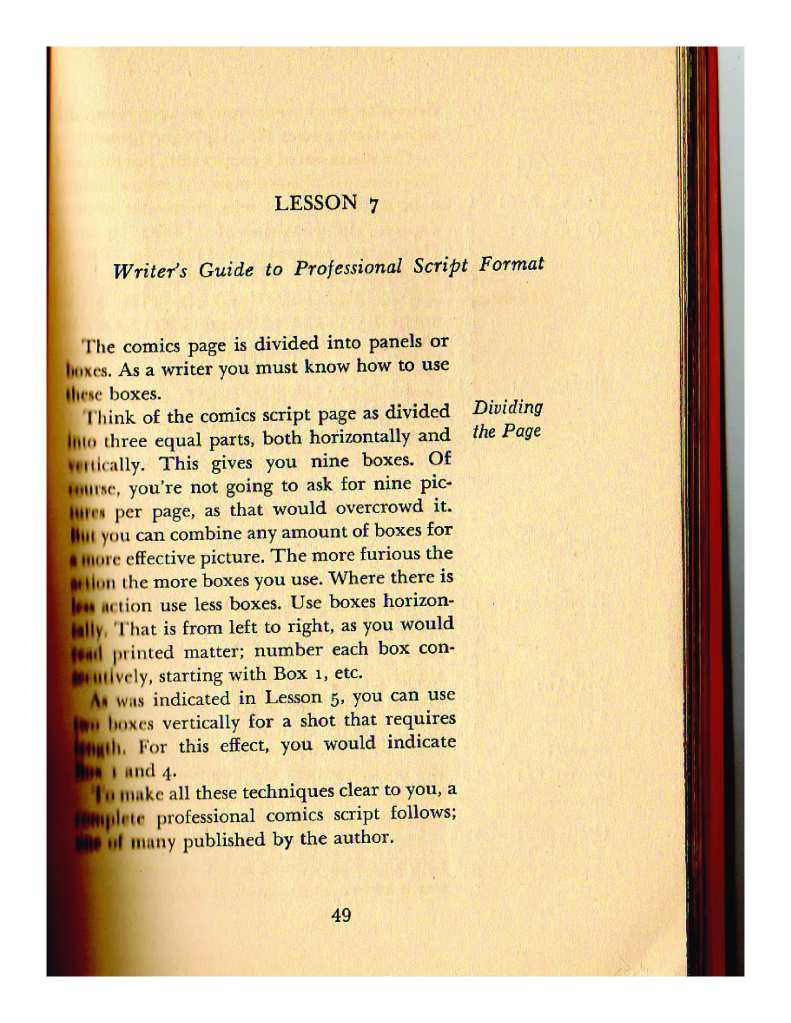
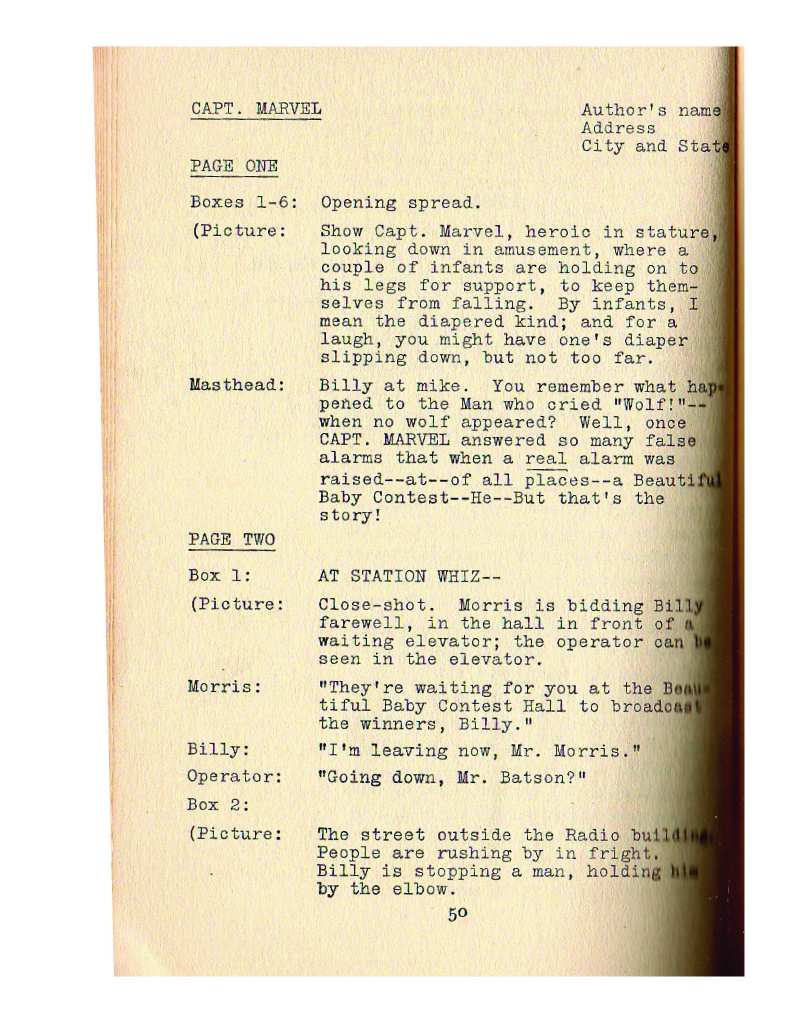
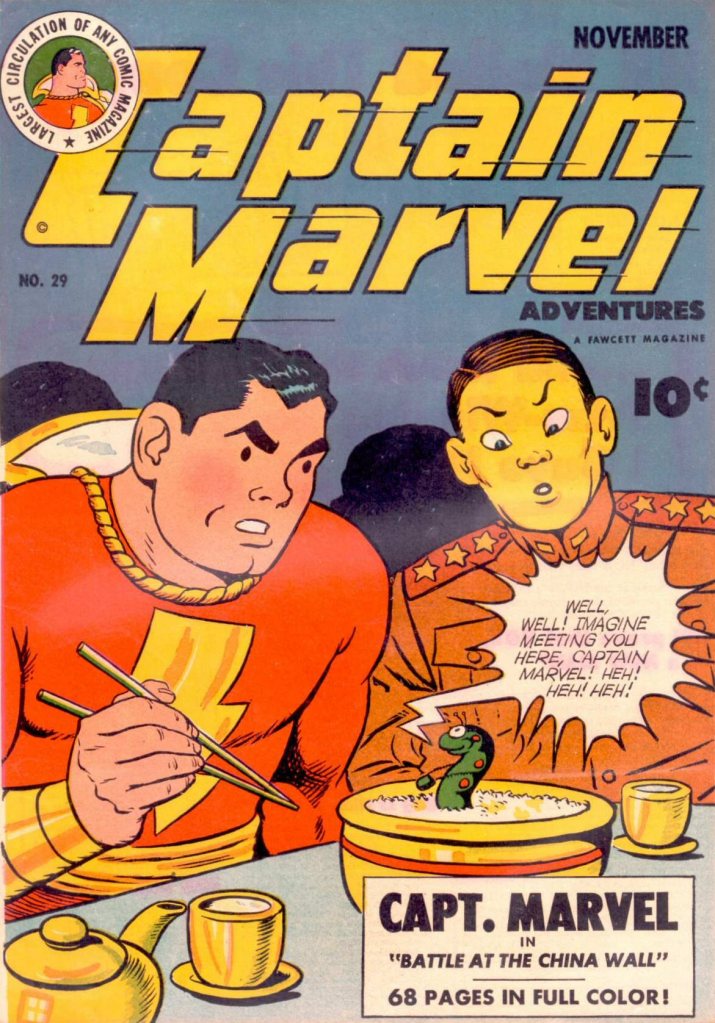
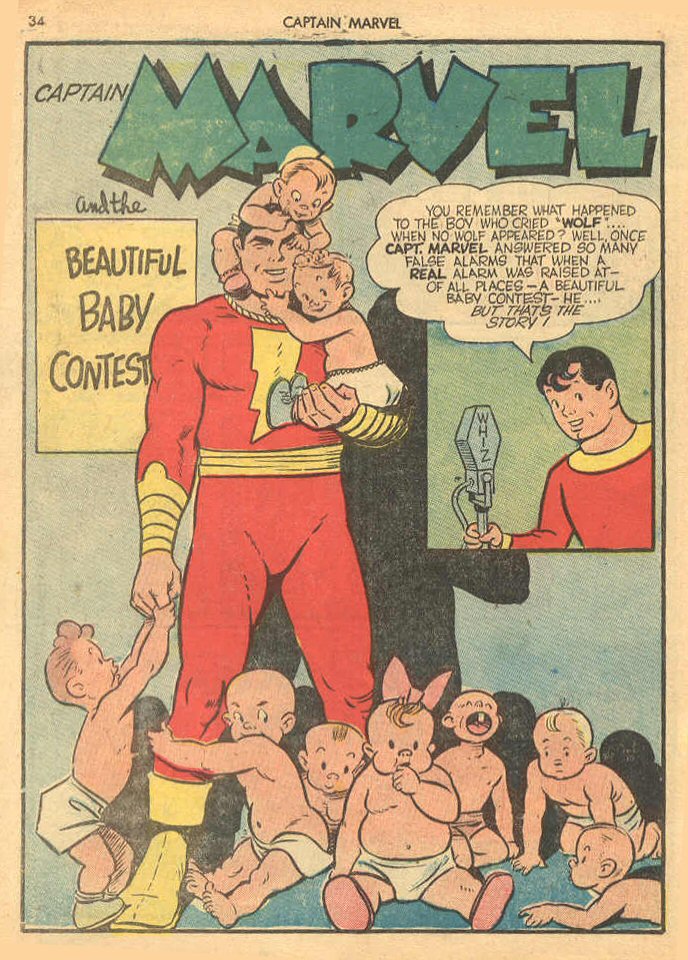
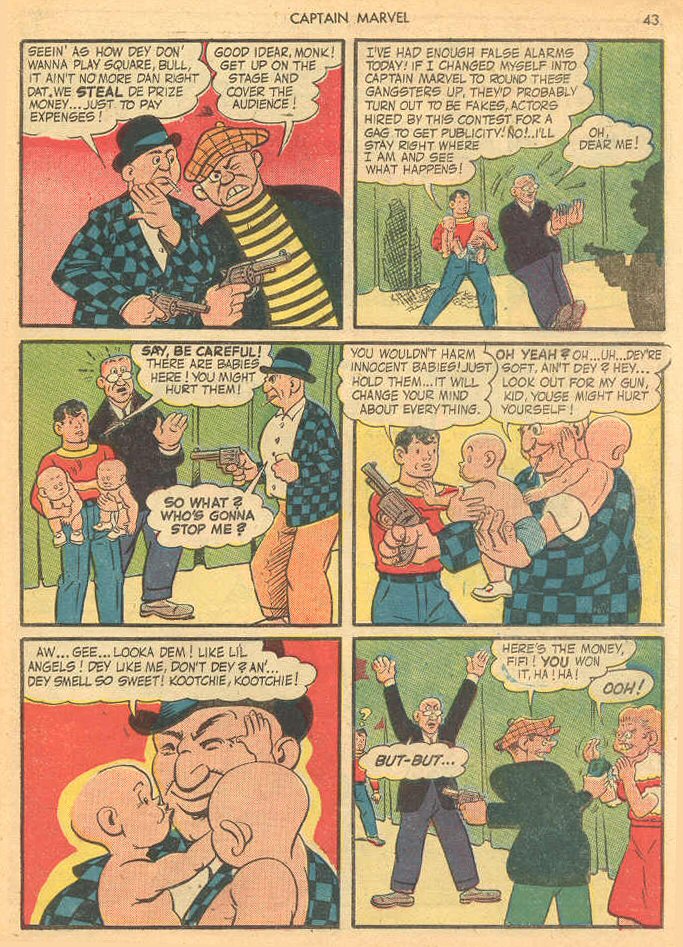
From here, the book reproduces the script for a 12-page Captain Marvel story written by Kanigher that saw print in CAPTAIN MARVEL ADVENTURES #29. It would have been fresh off of Kanigher’s typewriter when it was included here.
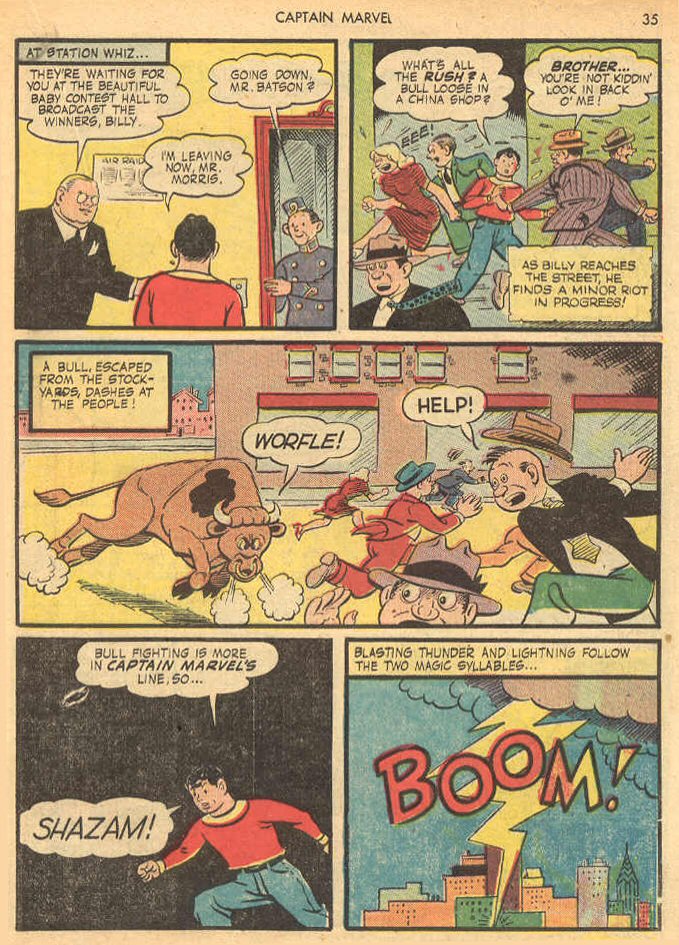
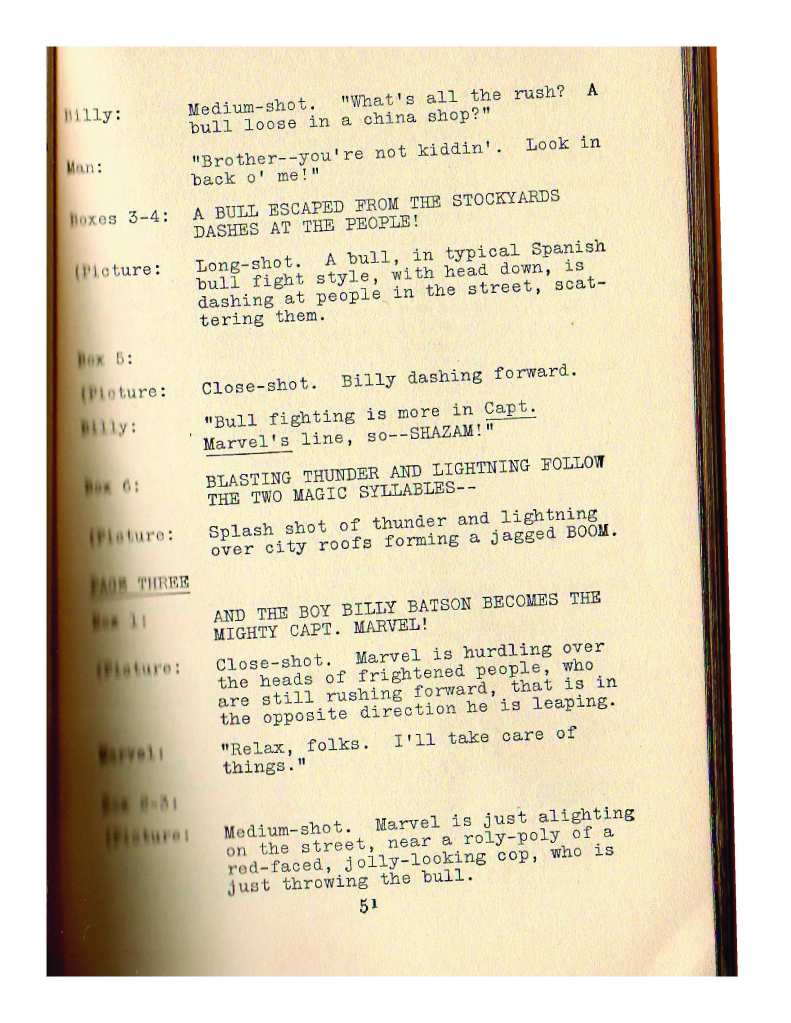
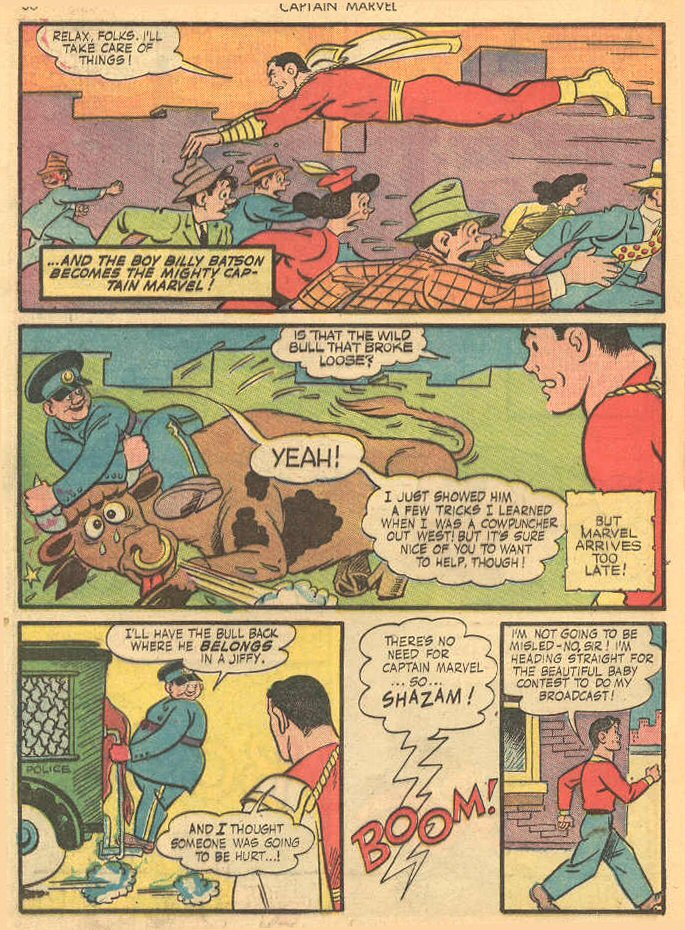
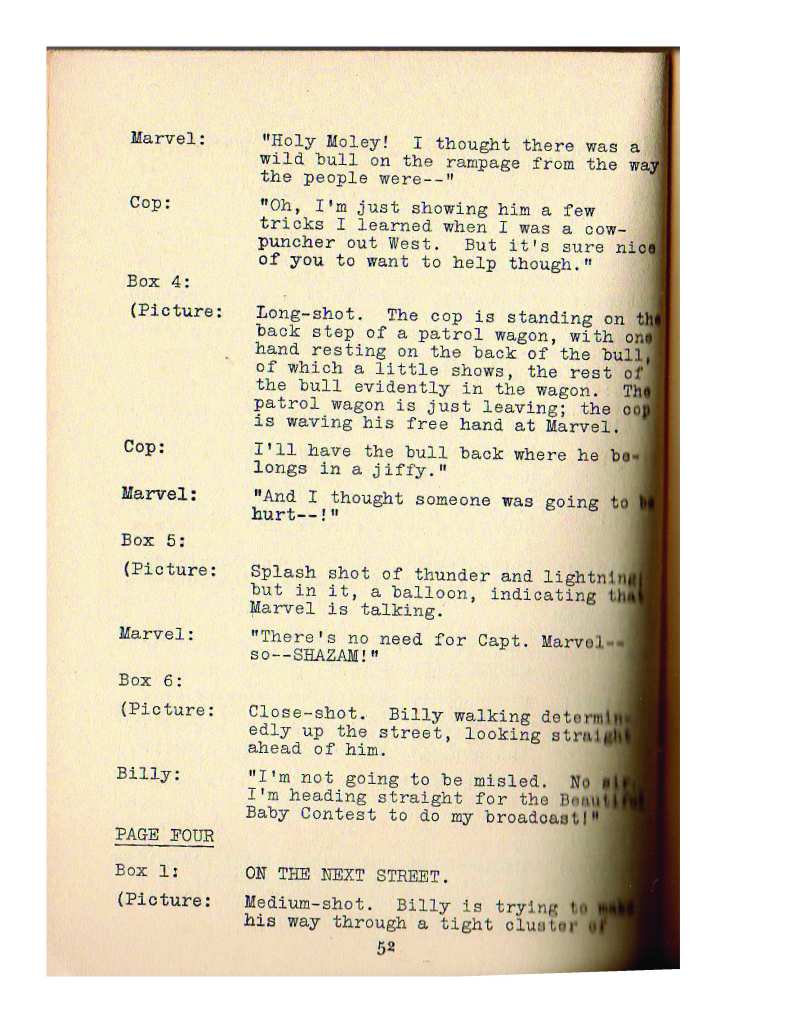
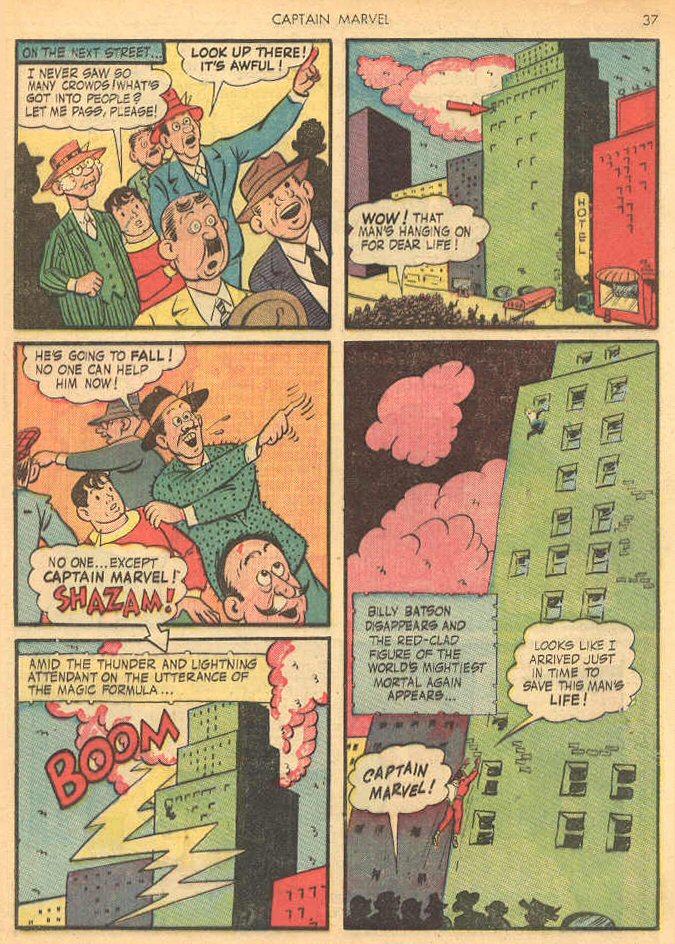
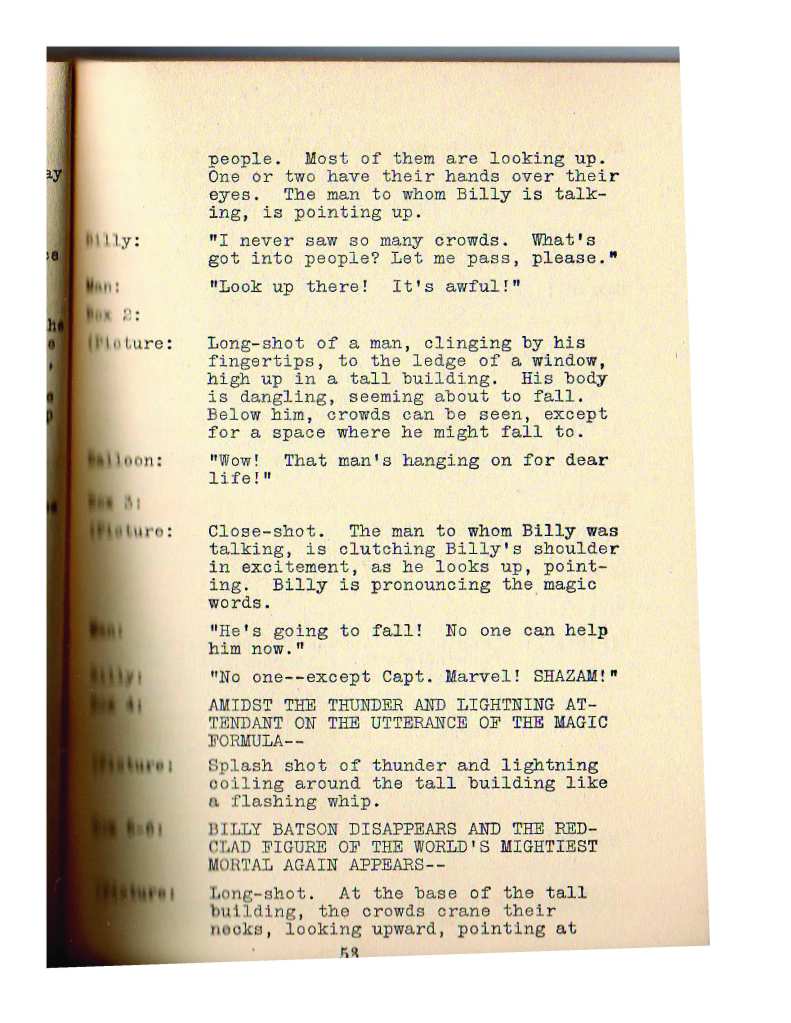
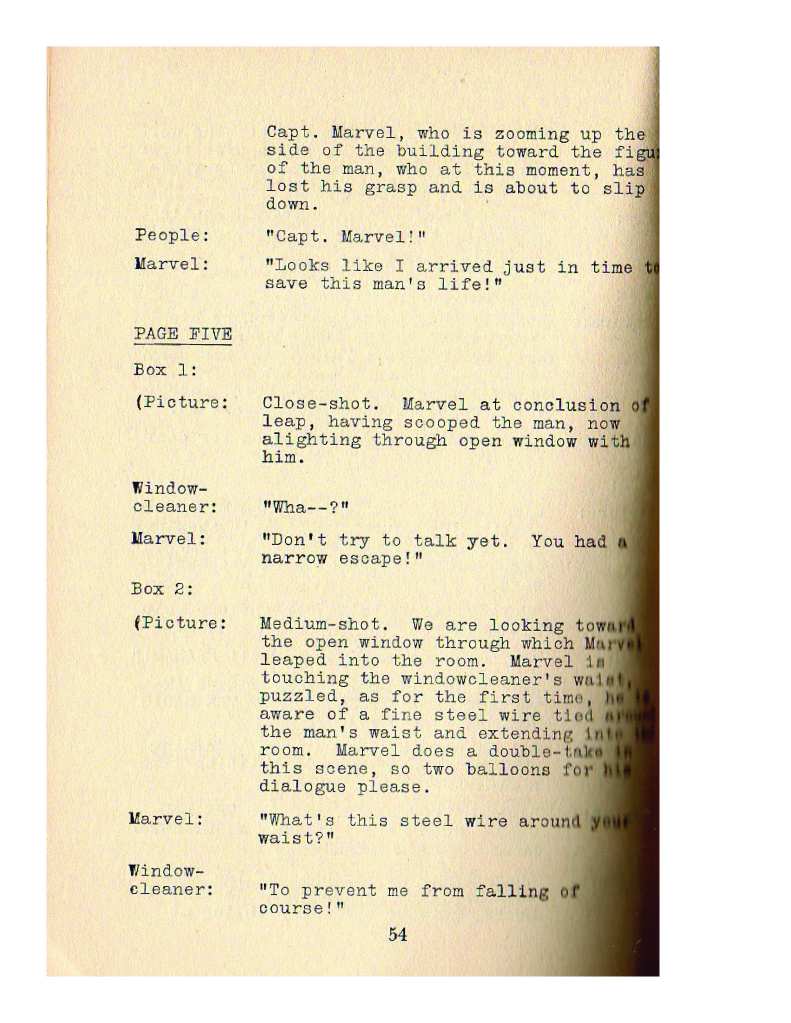
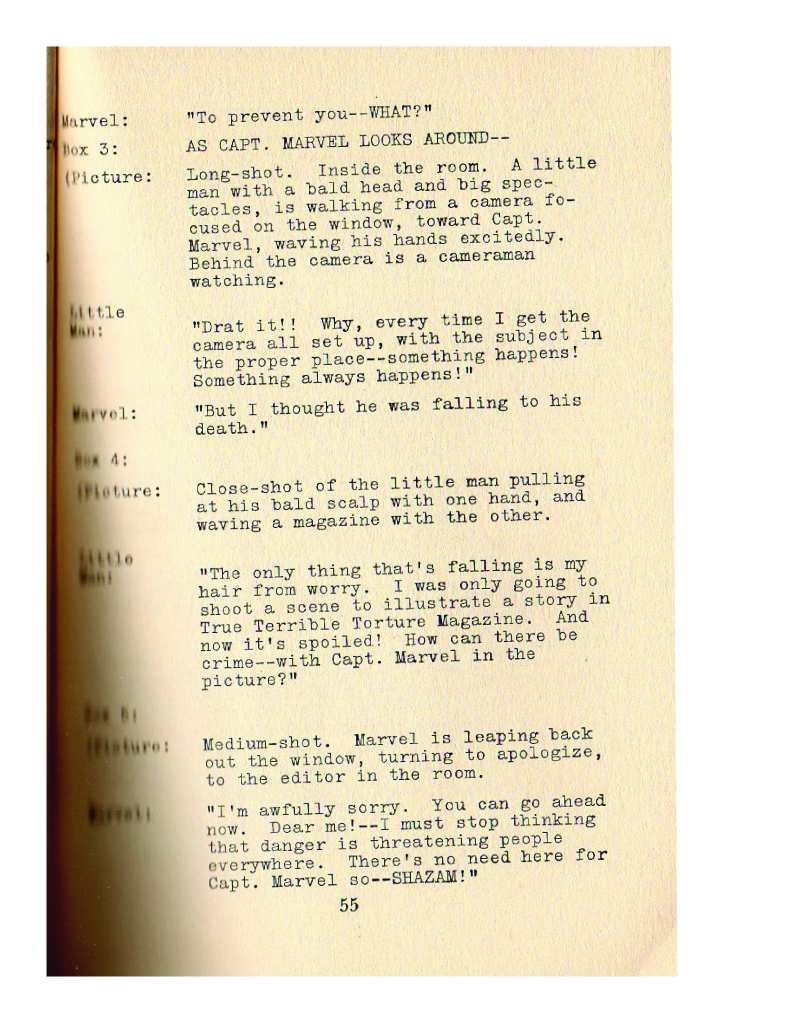
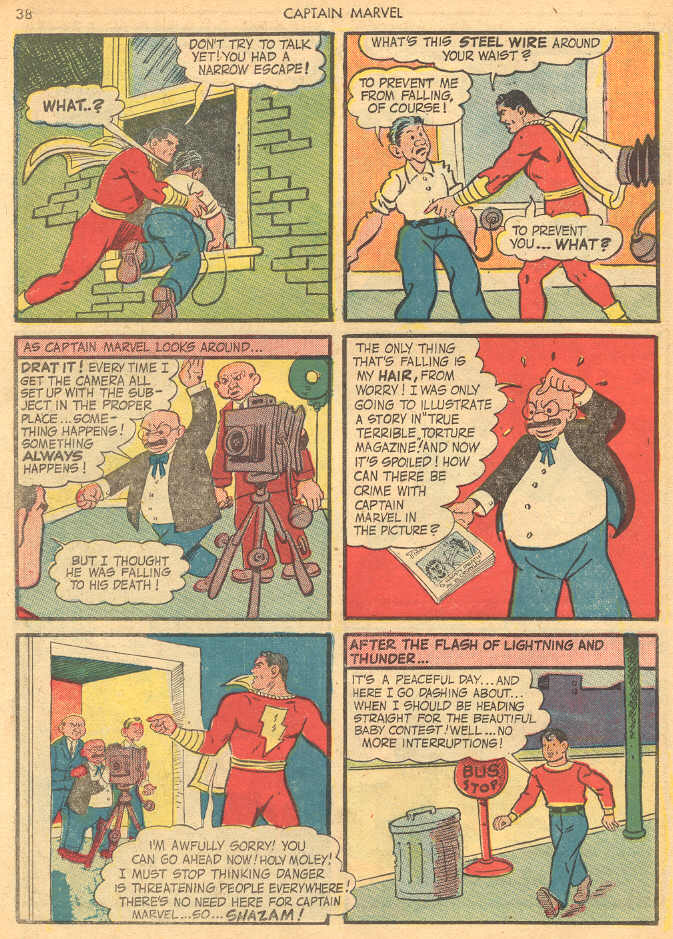
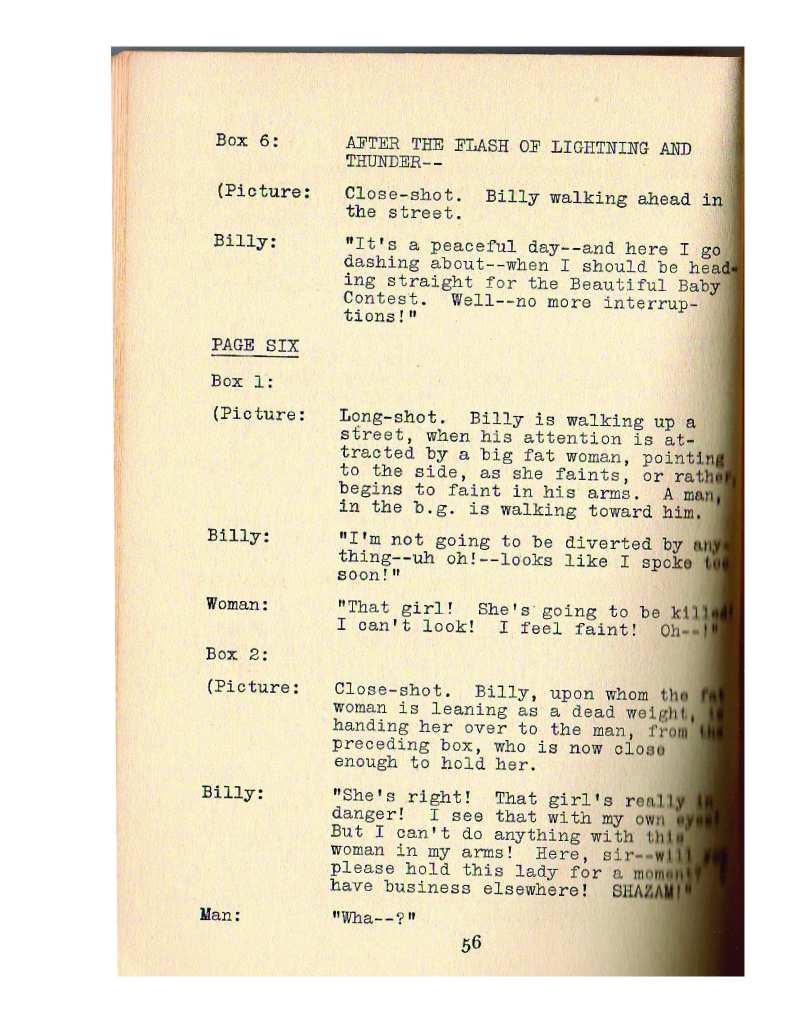
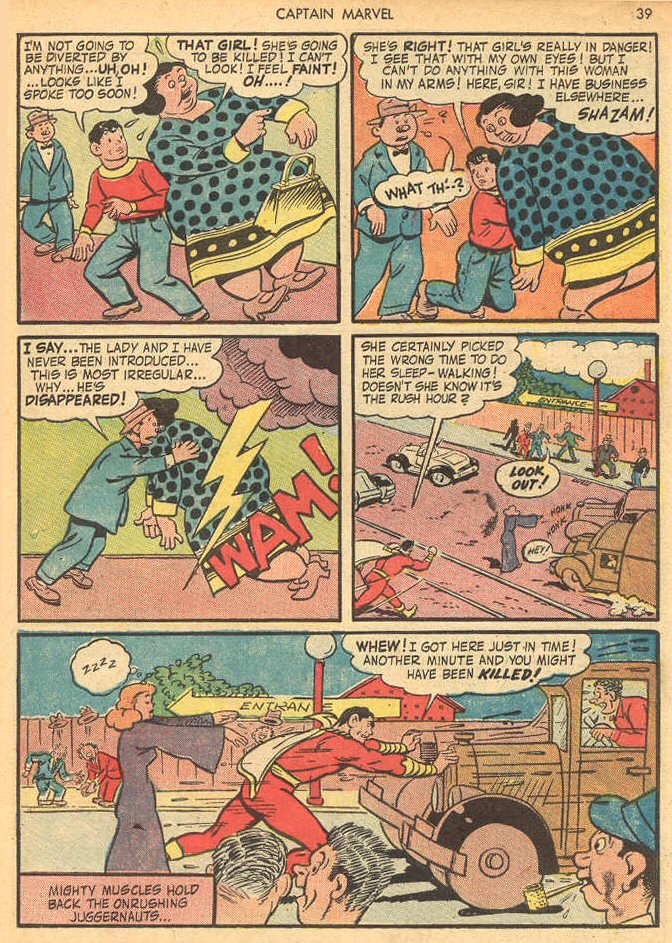
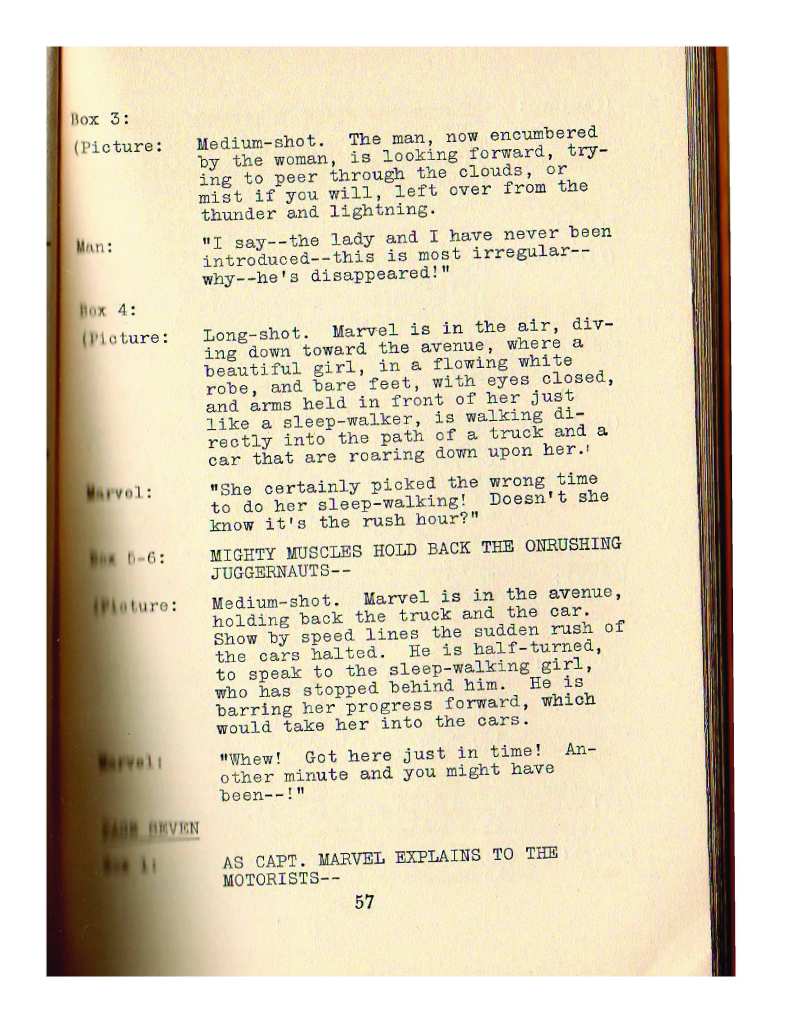
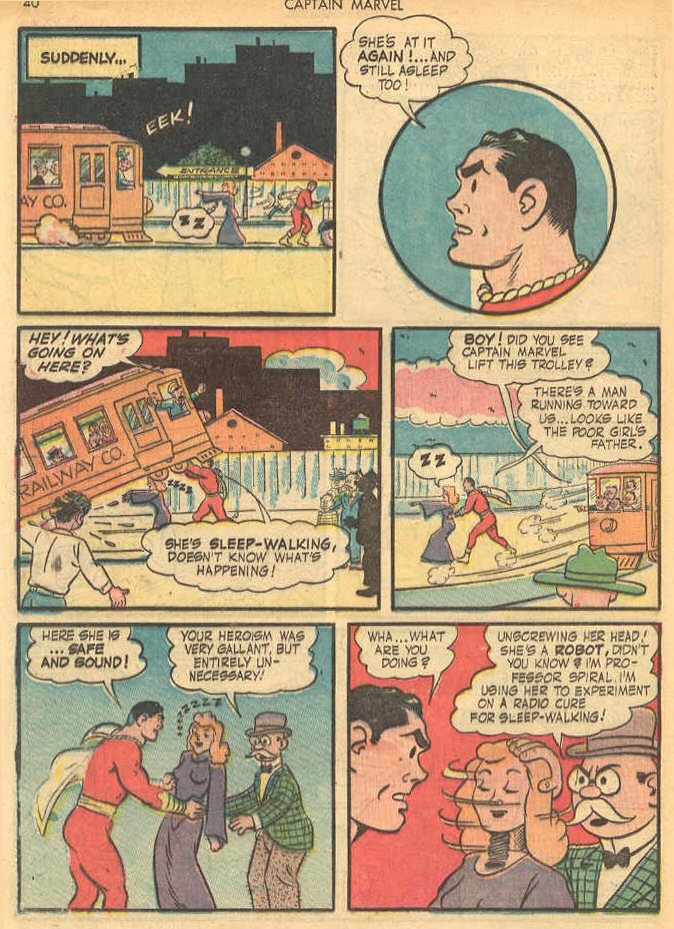
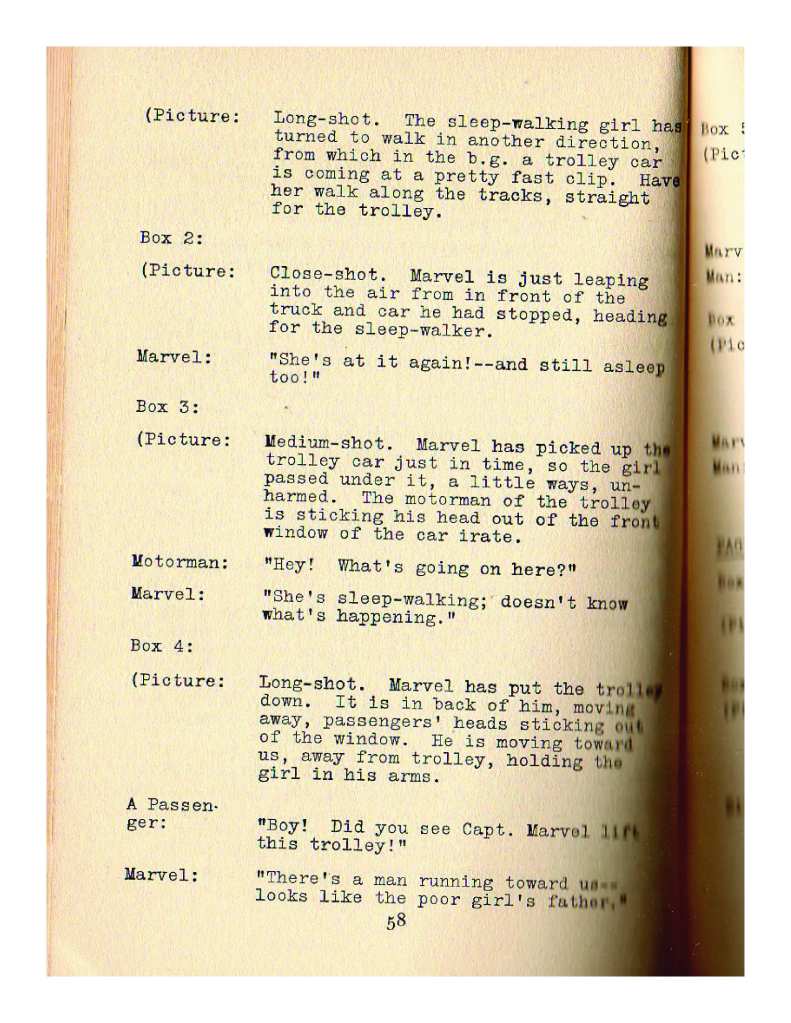
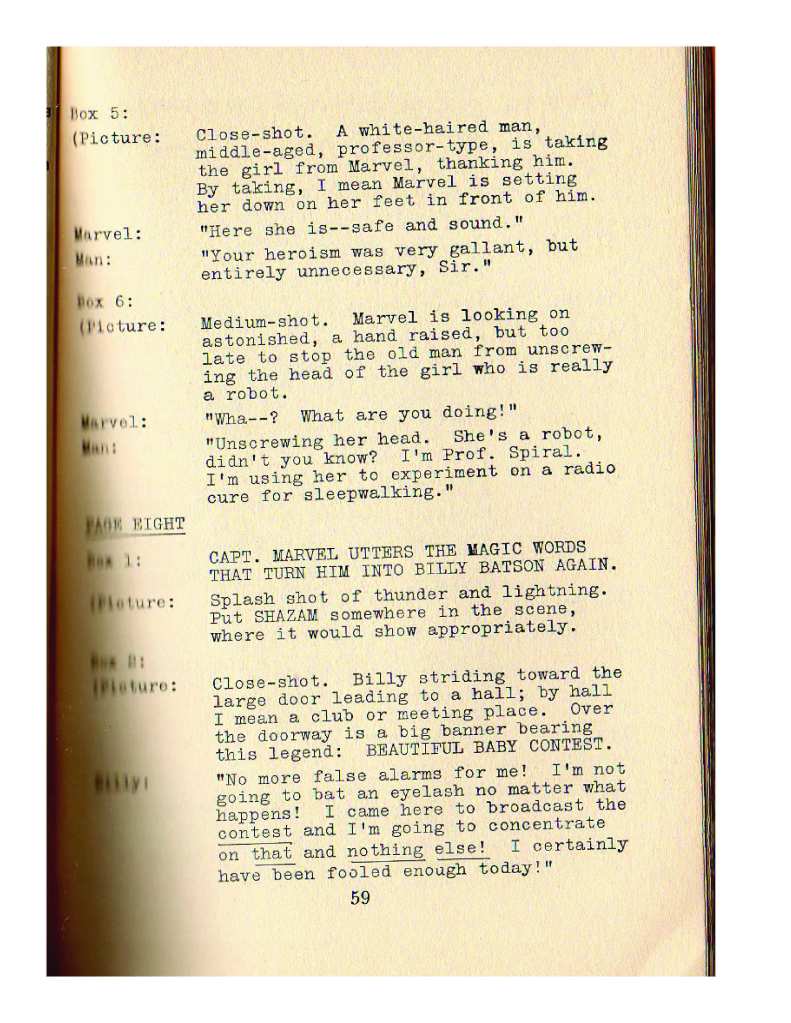
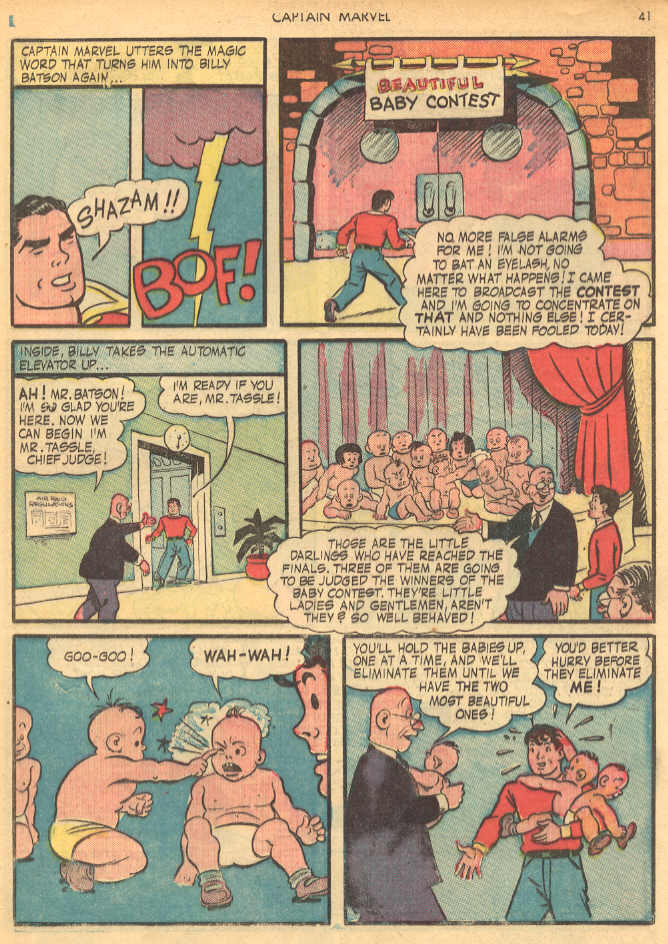
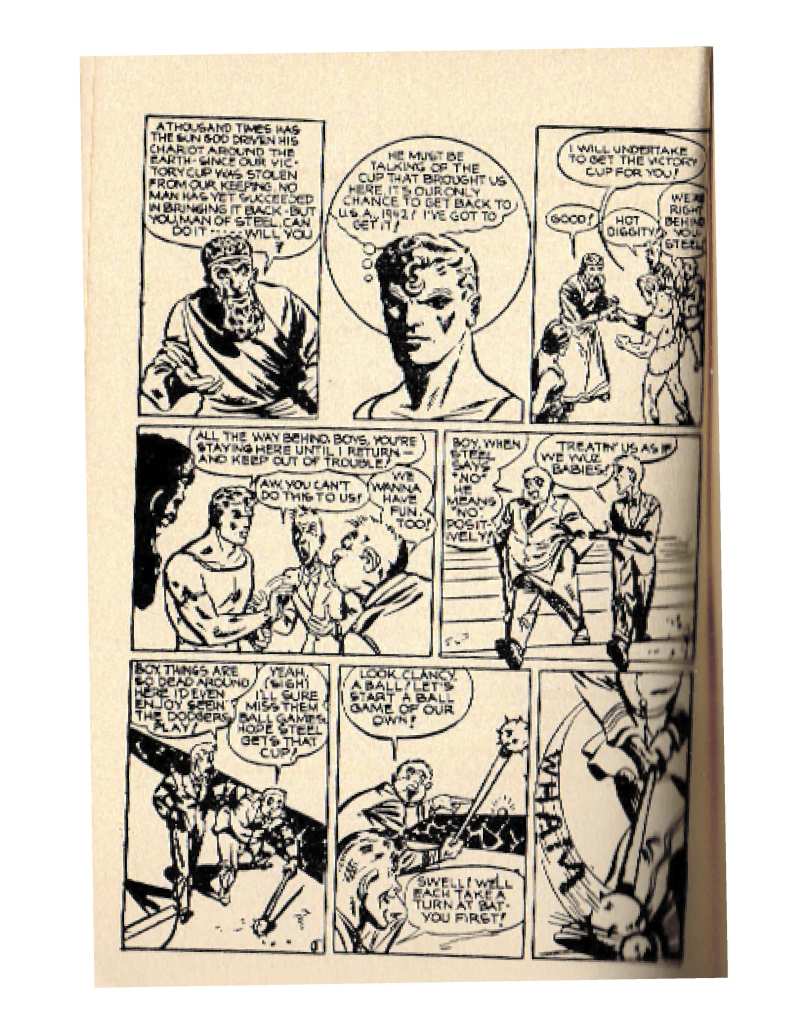
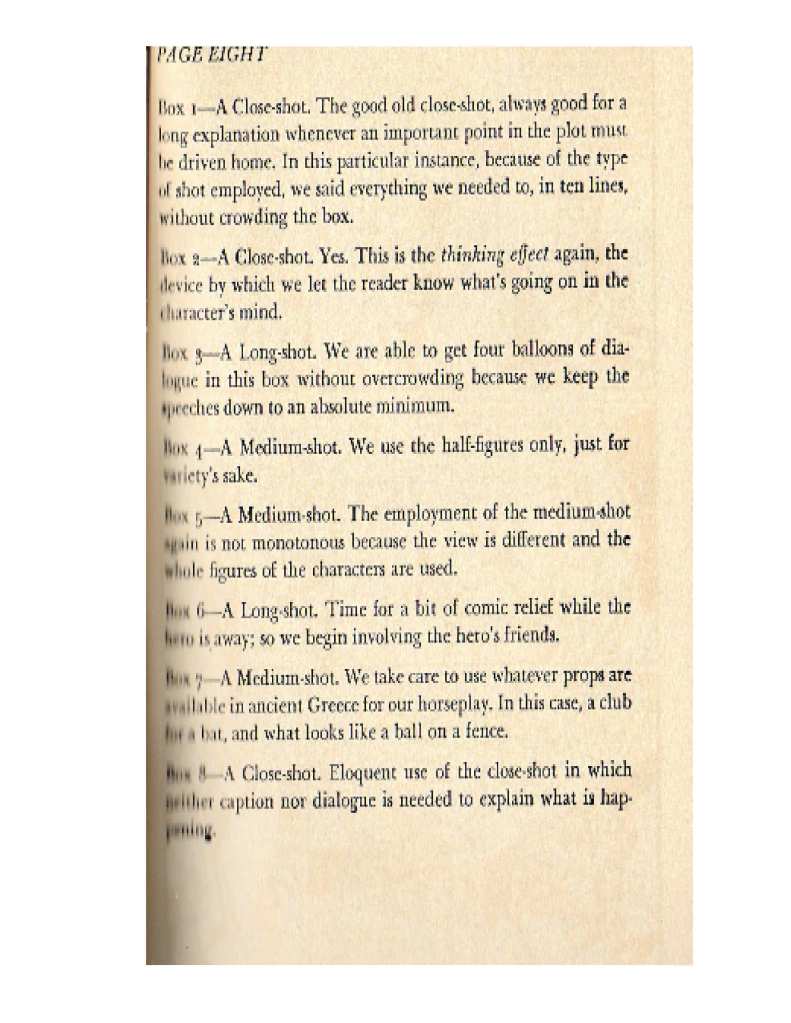
There’s a pause here for Kanigher to reproduce this page from a STEEL STERLING story he’d recently written and to define the different types of shots used on this page, explaining the choices.

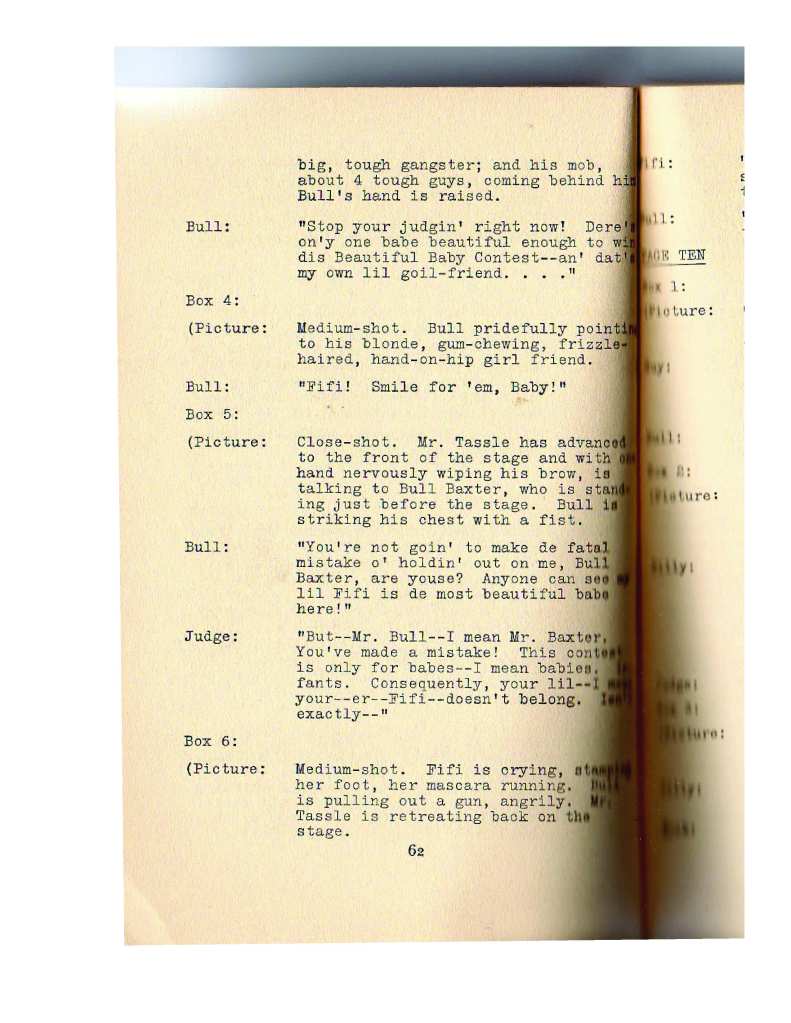
There’s a bit of a page of script missing from teh book at this point. Possibly due to inserting the Steel Sterling material at this point.
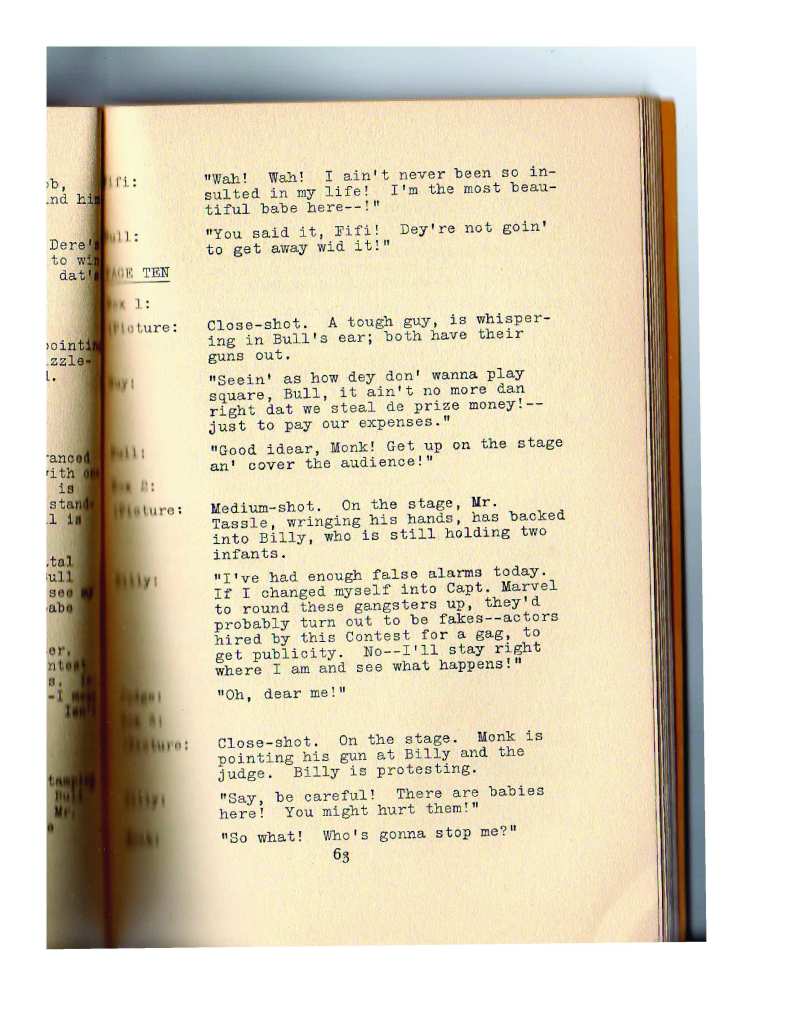
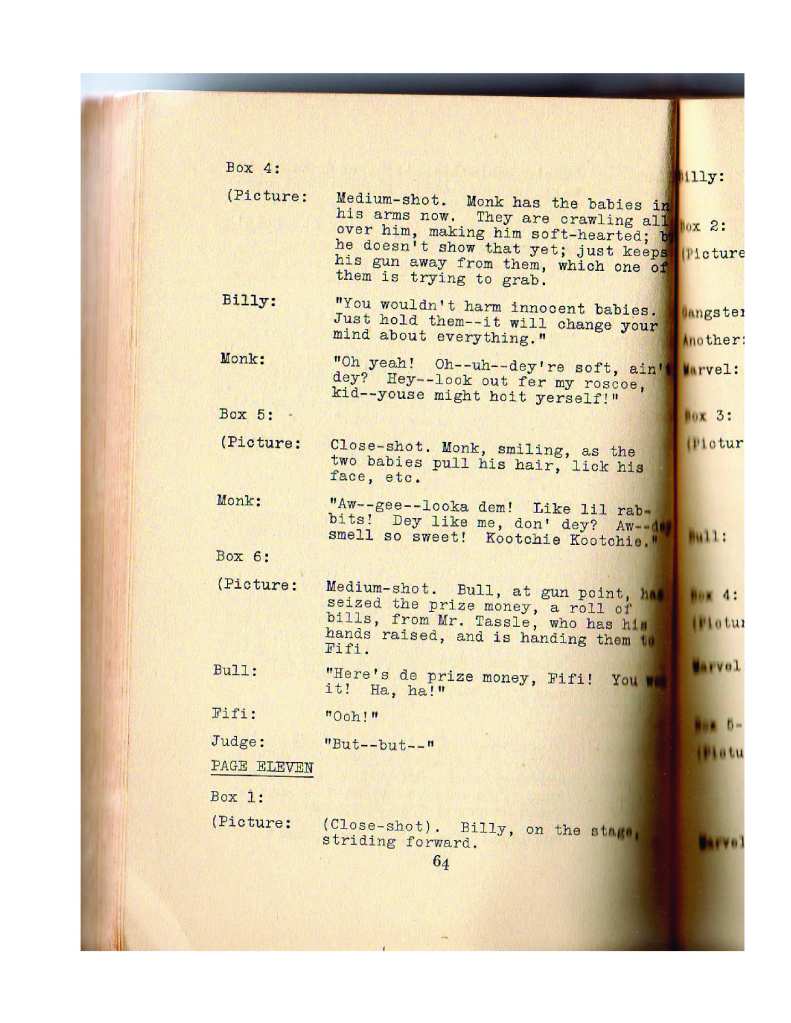
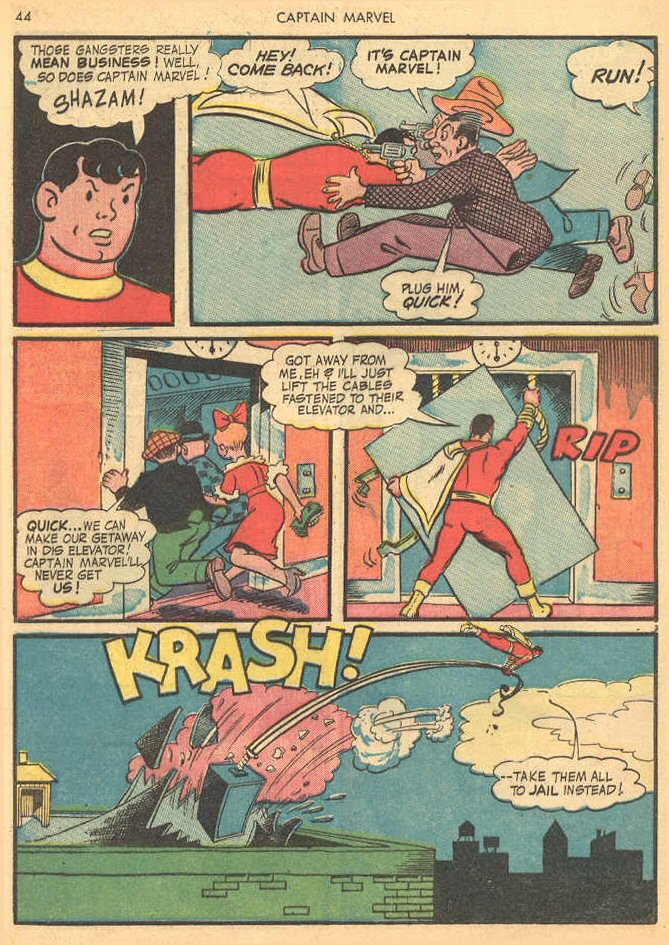
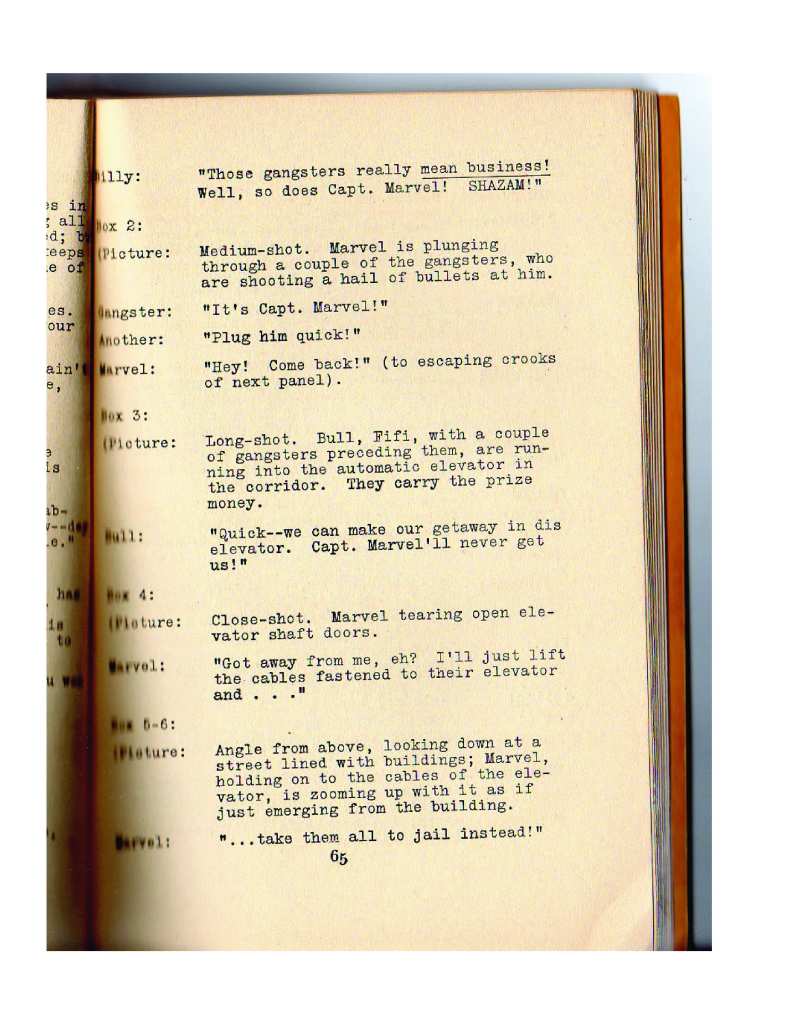
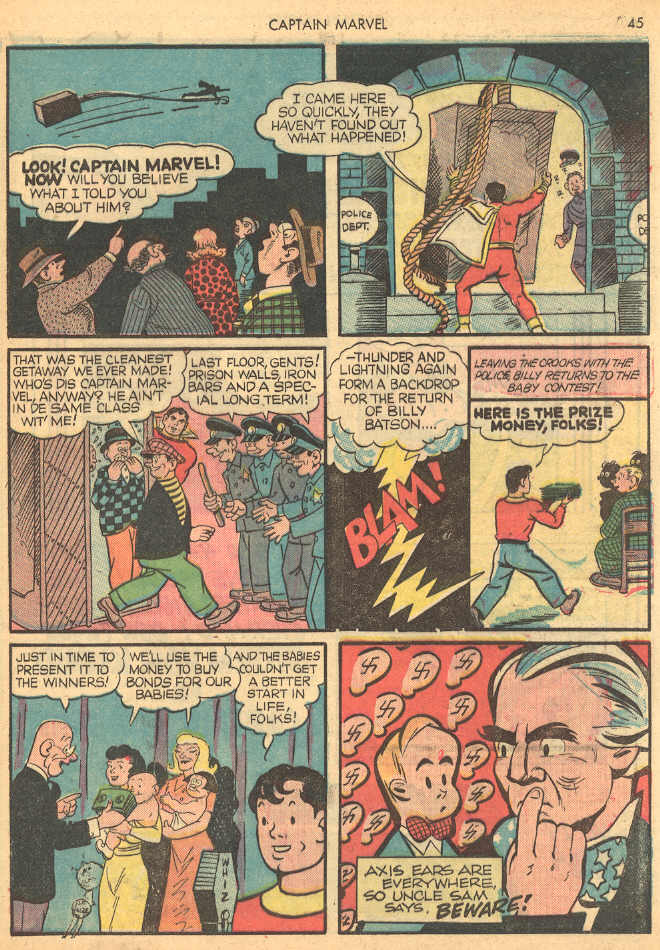
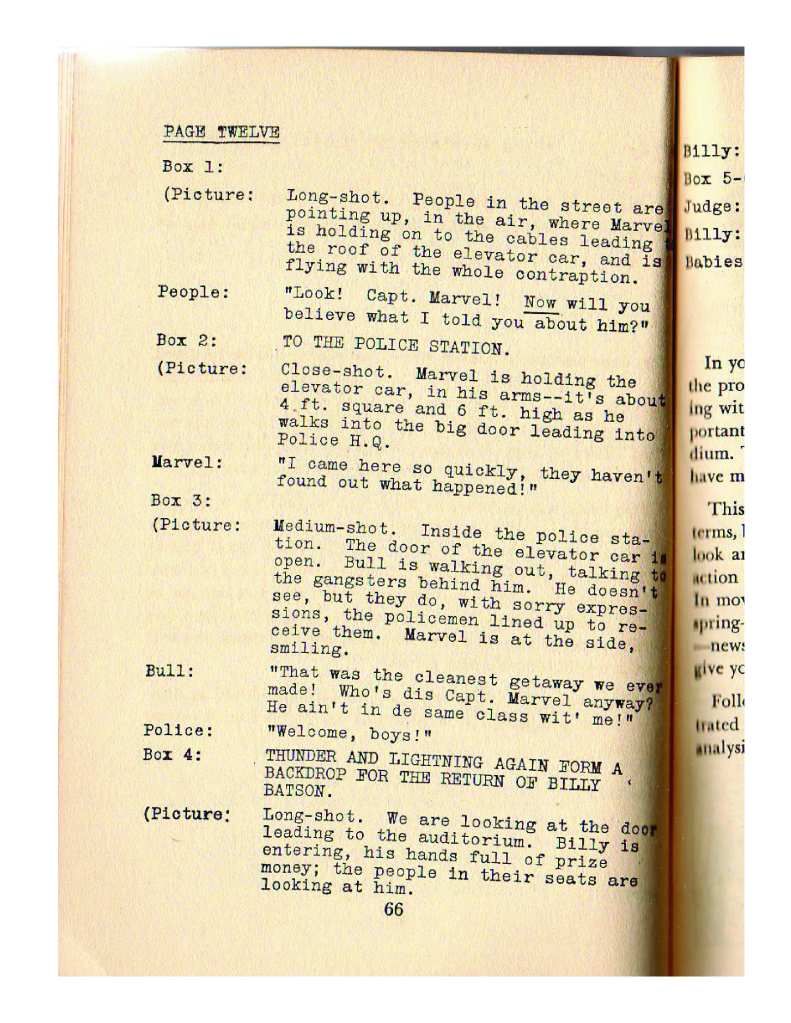
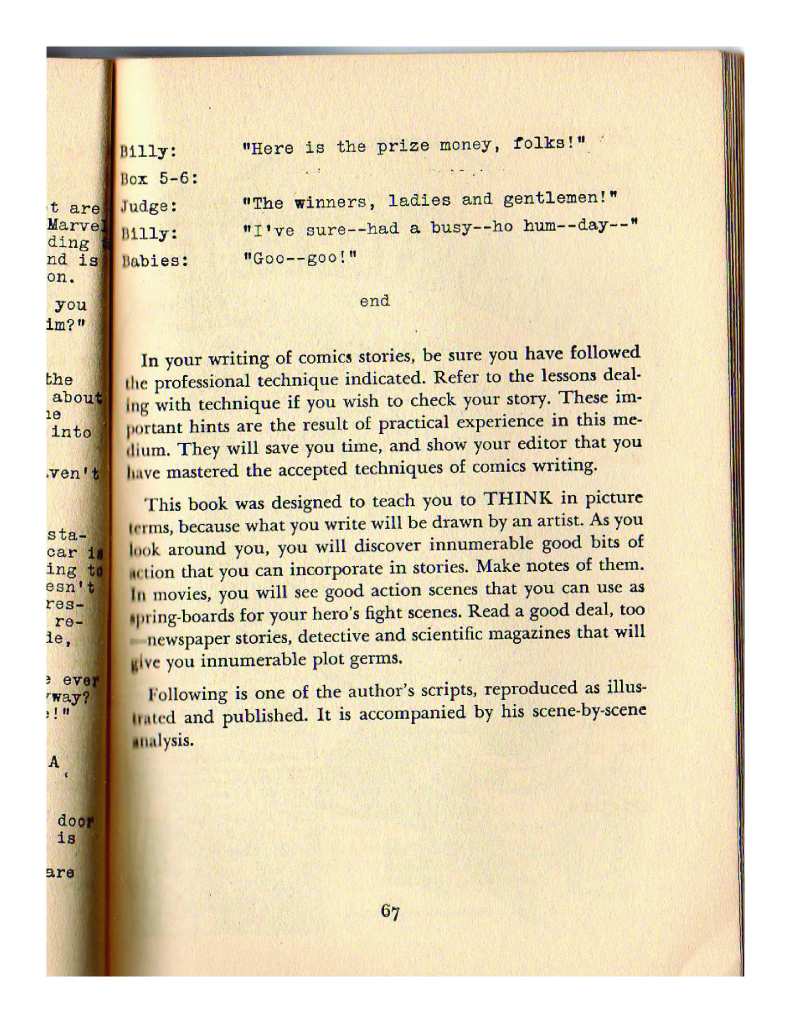
There’s more to come, including a full Kanigher script for that Steel Sterling story, when we pick this up in the future.
 The Tom Brevoort Experience
He says to think of the page as a 9-panel grid and then reproduces a script where he’s clearly treating it as a 6-panel grid.
LikeLike
Given the problems Julie Schwartz was having getting his Shazam writers into the characters’ headspace. it is odd he didn’t use Kanigher, who had worked on it or ask if Binder, Manly Wade Wellman or even John Broome (living in Japan by them) if they wanted to submit something.
LikeLike
I don’t think 1970s Kanigher was in the Shazam headspace any more.
Binder was unhealthy, drinking heavily, and died in 1974.
Wellman left comics in the 50s and had no interest in coming back; he was writing prose, having something of a critical resurgence (and had a movie based on his work come out in 1973).
Broome was out of comics, too — and writing comics for a NYC publisher from Japan would have been much more complicated in the 70s than it would be now. Even when Broome lived in France and wrote for DC, as I understand it, he returned to the US occasionally, worked out a whole bunch of plots with his editors and then went back to France and wrote them.
You don’t know, of course, that Julie didn’t ask them, but if he did, they didn’t say yes. I’m betting he didn’t, though, for the above reasons.
LikeLike
It’s an interesting question as to how much Schwartz talked to former CM writers.. Binder and Wellman got sent the first issue of Shazam for comment and their letters were printed in the second.
The tone of the replies imply to me that Schwartz had possibly solicited greater involvement, but each begged off. I would also assume that as Broom (Schwartz’s “best friend, best writer and best man at my wedding”) and Schwartz corresponded regularly that might have been a topic of some of their correspondence.
Denny O’Neil always seemed an odd choice for that book, because of his own issues then and his preference for street level heroes. Elliot Maggin seemed like he could have gotten it with a talk with the “old timers.’
It seemed like it took a while to get E. Nelson Bridwell into the scripting, especially as good as he proved to be on it. (I wonder if they thought they mostly needed him to curate reprints?)
I wonder if some of Wellman’s later “Silver John” work might have been a good template for a modern CM: whimsical on the surface but the bad guys being alien and evil . . . .
That always struck me as a missed opportunity . . . .
LikeLike
So, wait. You think it’s odd that he didn’t ask Binder or Wellman to contribute, but you also think he did and they begged off?
Anyway. I think Denny was a bad choice for the book, and so was Maggin. But at the time, Denny wasn’t known for a preference for unpowered heroes — he was basically the flavor of the month, a guy who’d won awards for a revamp of GL/GA, acclaim for his BATMAN and had been the writer on a reasonably successful revamp of SUPERMAN, so he was the go-to guy for important jobs. He wasn’t the right guy for this one, but it’s not that hard to see why Julie figured Denny was something of a lucky charm.
I think they didn’t give it to Nelson early on because there wasn’t a lot of respect for Nelson up there at the time, if ever. Nelson was very good at what he did, but what he did wasn’t considered popular or promotable. Once SHAZAM settled in as a low-tier book nobody important wanted to do, giving it to Nelson was an easy choice, because he was right there, he was on time and his scripts were solid if not terribly commercial. Same with SUPER FRIENDS, which went to Nelson right away, maybe because no one else wanted to do a “kiddie book.”
Interestingly, the guy who suggested to DC that they license SHAZAM was Jack Kirby, and he wanted to edit it himself. Had he done so, it’d have been very different from the book Julie put together — Kirby specifically thought it should be strongly unlike the Superman books, and Julie mostly filled it up with Superman alumni. It also probably shouldn’t have gone to an editor who was a DC employee while the Fawcett-National lawsuit was still playing out, who was there when the office sentiment about Captain Marvel’s success was resentful. Give it to Joe Orlando, and that might have been interesting. I don’t know who else there was to give it to, at the time. Archie Goodwin would have done fine but was only doing war books. Joe Kubert would have been a very off choice but it’d have been something to see. Murray Boltinoff? He was there throughout the lawsuits, but he had an excellent commercial sense, and might have enjoyed the thought of trying to take of Superman head to head.
I also think that Nelson may have liked the quirkier SHAZAM material and made that the main focus, rather than big-threat stuff with a real sense of danger. It’s interesting to think of what they might have done differently, but we got what we got.
LikeLike
The different dialogue in the final panel between script and published story is interesting. Did the plug for war bonds get added by an editor, or was that how Kanigher originally wrote it, and he replaced it with a (very limp) new punchline for his book, expecting it to keep selling after the war was over?
LikeLike
I doubt Kanigher revised the script for the book publication; it wouldn’t be any less a good example of what a script looked like if it had dated references in it. Far, far more likely that the editor was asked to plug war bonds, so he edited some scripts to do it.
LikeLike
I didn’t know Kanigher worked on Captain Marvel back in the day. But I guess it doesn’t surprise me — he seemed to be everywhere!
LikeLike