

All throughout the years during which they were trying in vain to locate a buyer for their grand opus character Superman, partners Jerry Siegel and Joe Shuster paid the bills by working on a variety of other features, primarily for National Allied Publications/Detective Comics Inc. Thee included such features as Slam Bradley, Spy, Radio Men,/Calling All Cars and for MORE FUN COMICS, Doctor Occult. Dr. Occult is occasionally referred to as the first DC super hero, though for the most part he didn’t typically wear a costume. Well, except for once. Having grown antsy, Siegel and Shuster couldn’t help but to drop certain aspects of Superman into their other series as they went along. So what we’re taking a look at here is the sequence in which Dr. Occult picks up a costume and some powers, becoming a prototypic Superman himself.
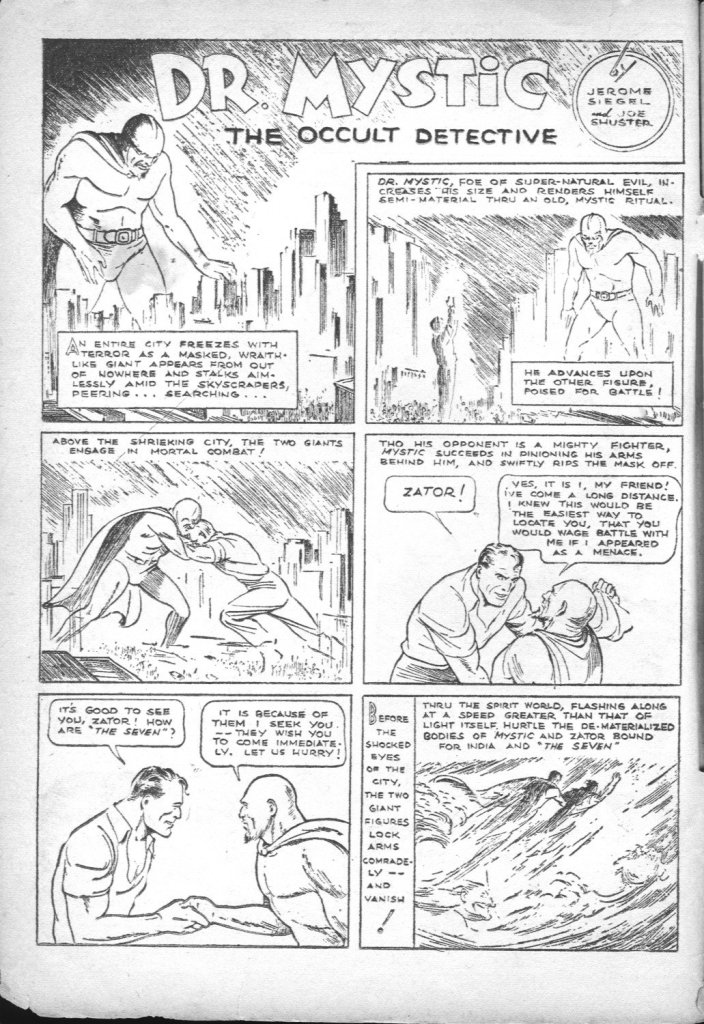
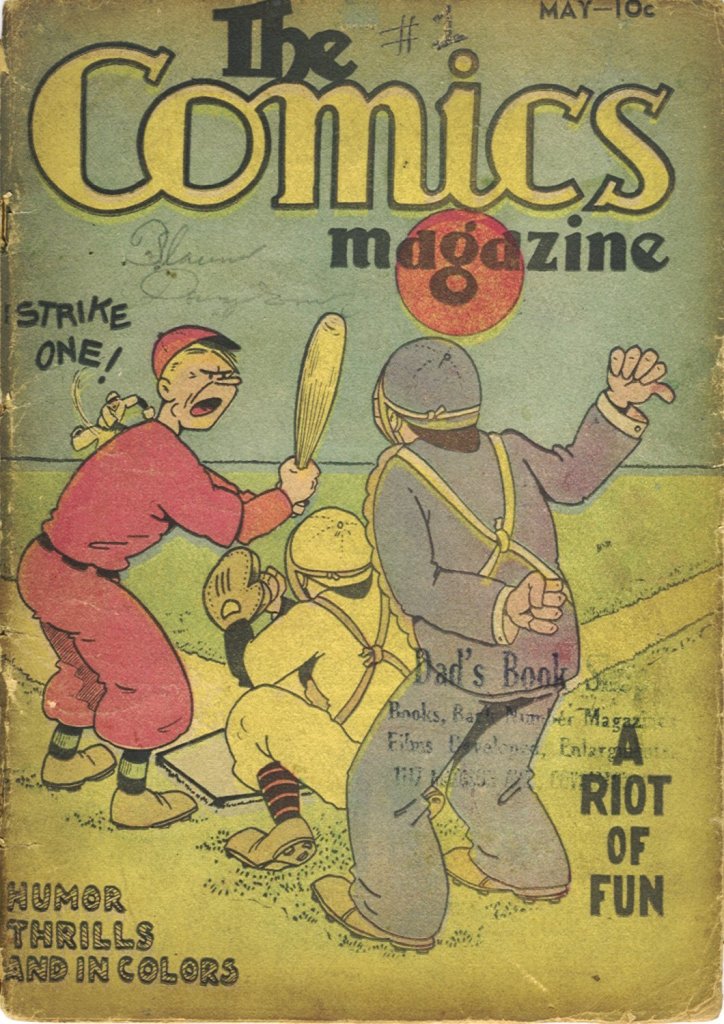
Somewhat strangely, the first chapter of this story saw print not in an issue of MORE FUN COMICS but rather the inaugural edition of THE COMICS MAGAZINE. This publication had proven to be something of a mystery, as it wasn’t released by DC but it was made up primarily of material from the DC stockpile. Chances are that DC’s owner harry Donenfeld had some sort of a stake in COMICS MAGAZINE and so authorized the hand-off of the material, not realizing that the Doctor Occult story was the first part of a continued epic. The story saw print under the changed title Dr. Mystic. The byline, however, was given to Jerry Siegel and Joe Shuster, rather than the pseudonyms of Legar and Reuths
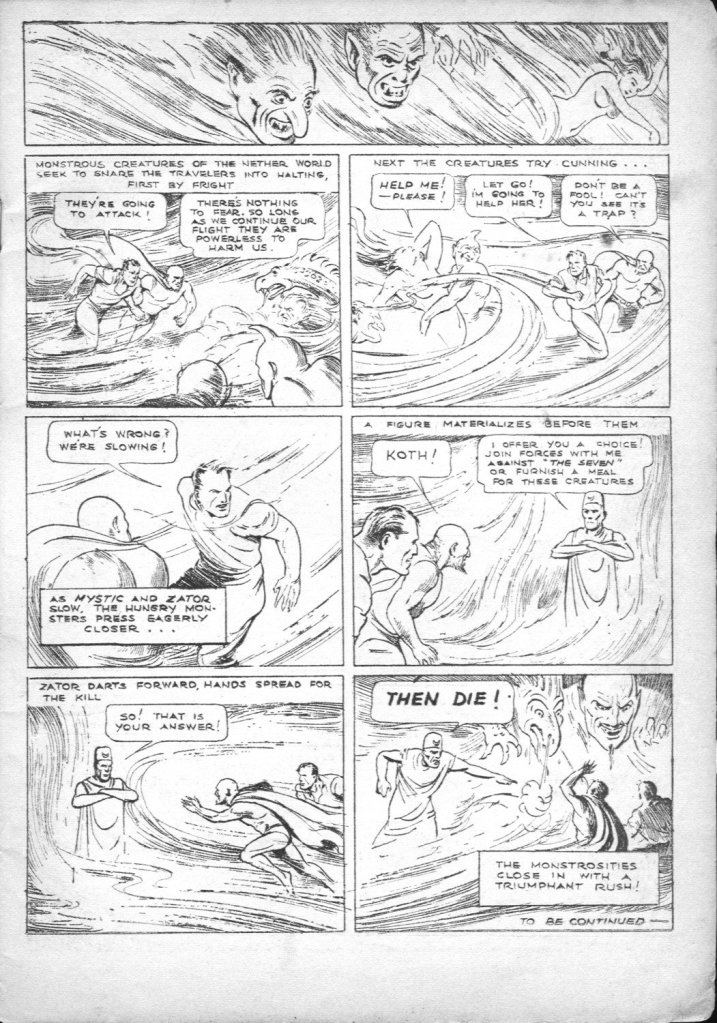
This story moves away from the real world entirely to enter realms of pure fantasy and imagination. It’s a departure from the typical Dr. Occult outing of the period.
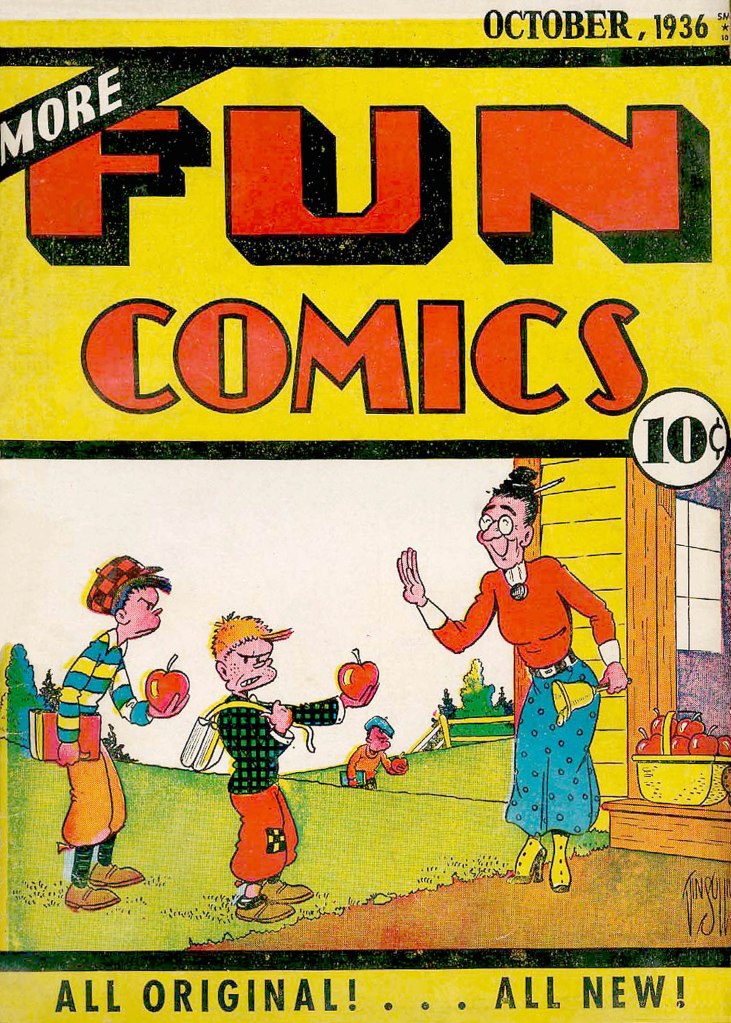
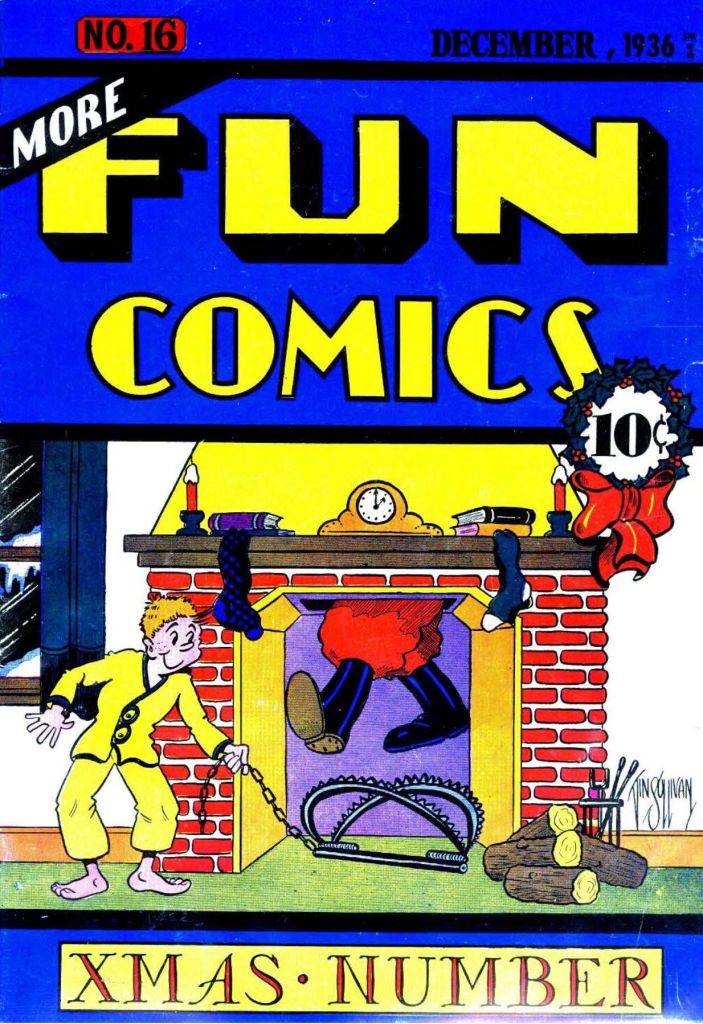
Back in MORE FUN COMICS #14, the second chapter ran in Dr. Occult’s usual position. While there is a brief synopsis, there isn’t anything overt to reveal that this is a continuation of an earlier chapter. Comic book publishing could be weird in these early days.
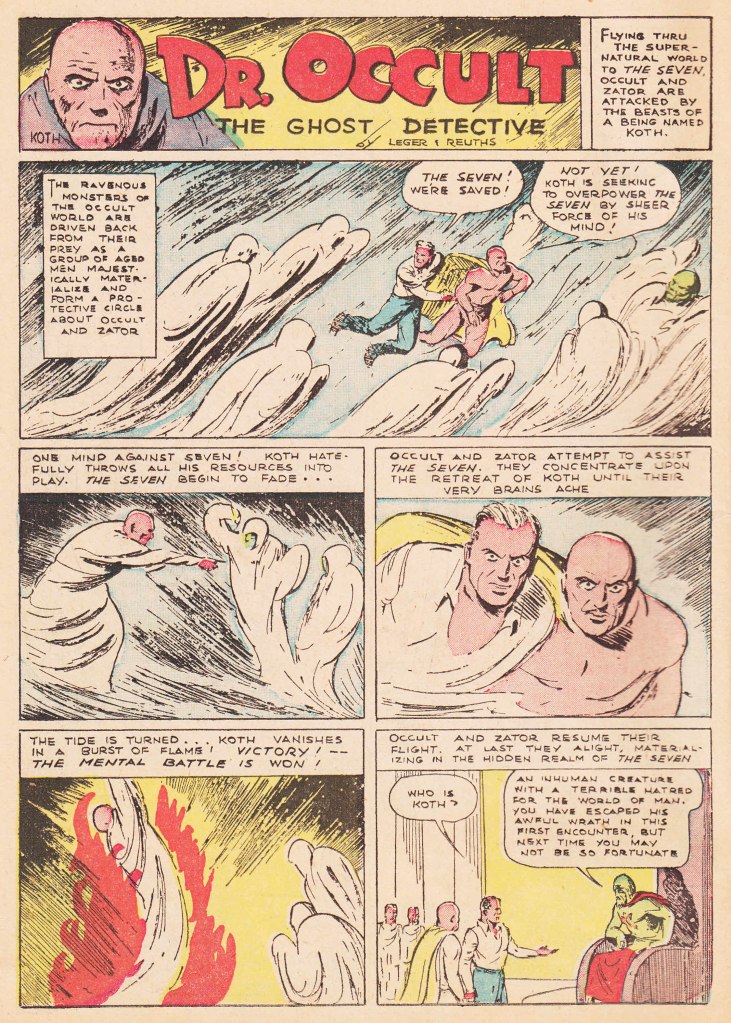
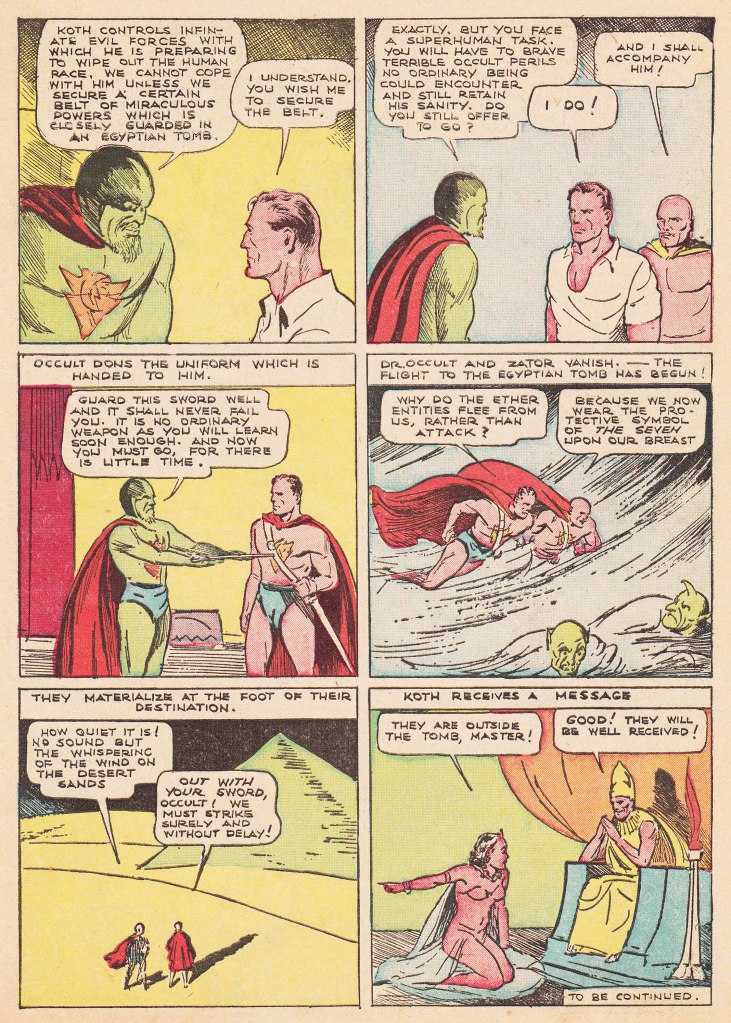
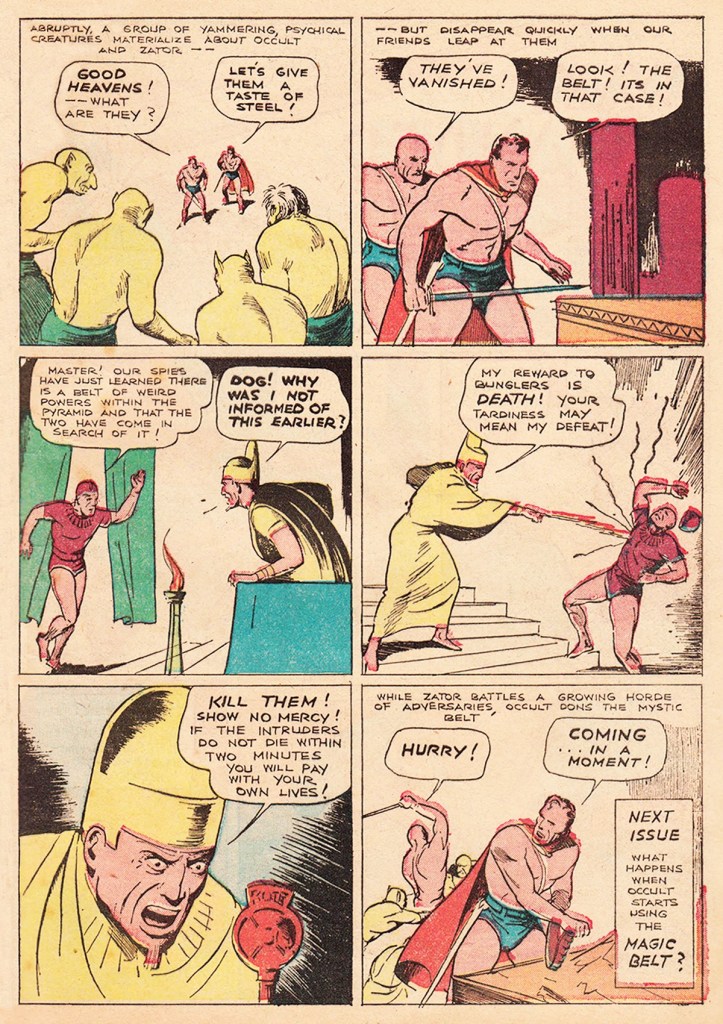
Dr. Occult is presented with a costume that is a virtual replica of Superman’s, including a chest-crest, trunks and a cape. For whatever reason–possibly that the engravers didn’t realize what they were looking at–this suit is colored fleshtone throughout this sequence.
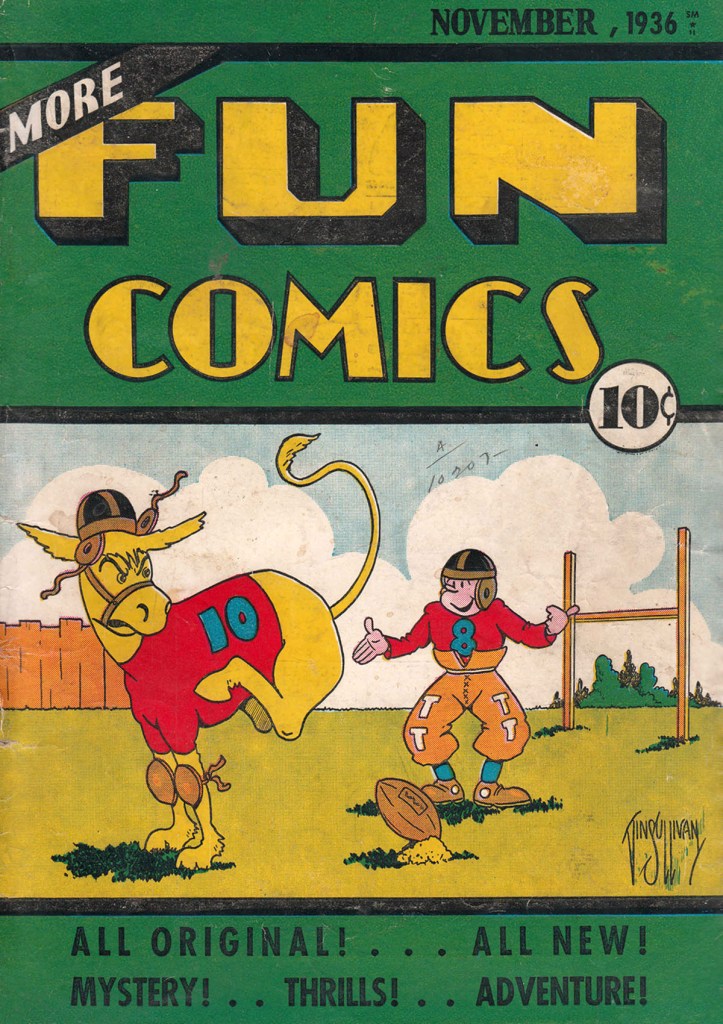
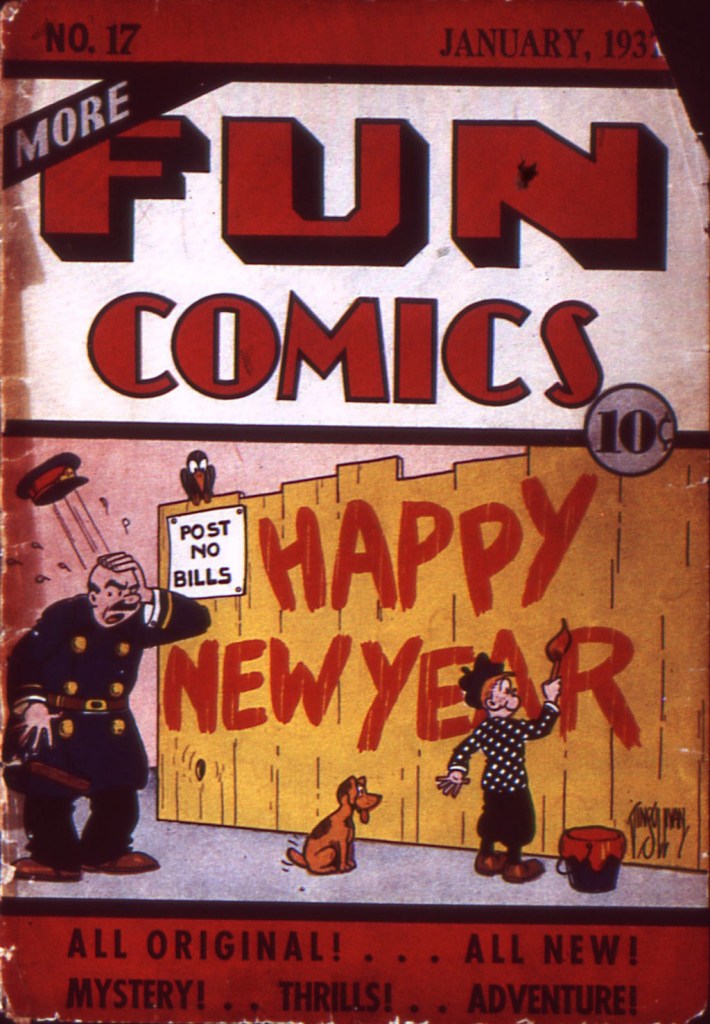
The story continued in MORE FUN COMICS #15 the following month, and would run all the way through issue #17 in two-page increments.
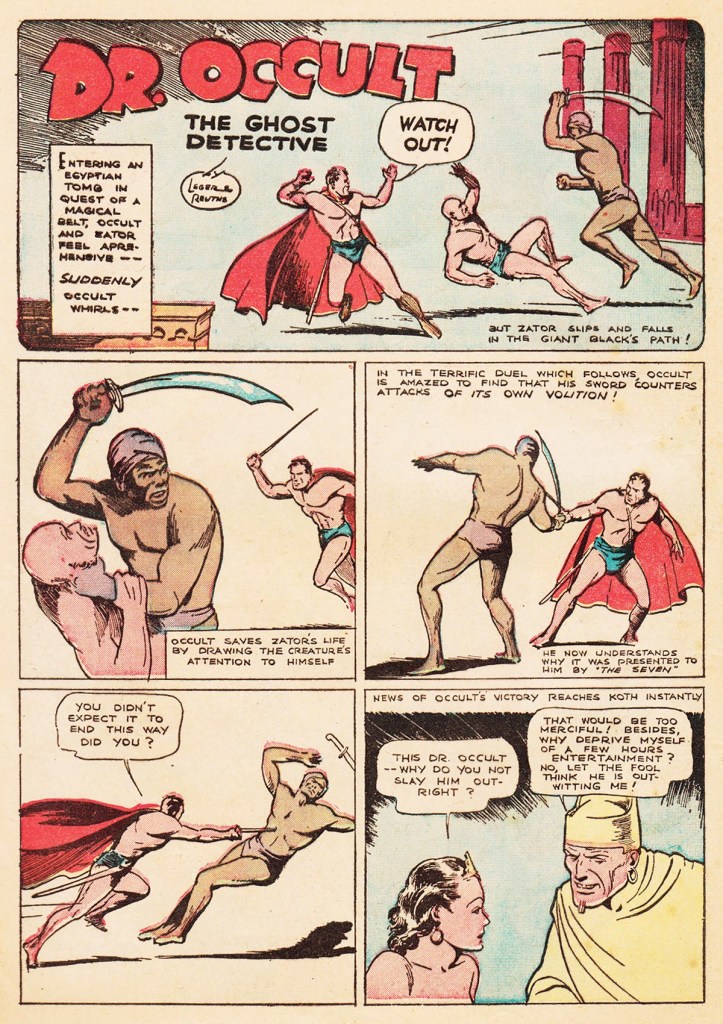
His artwork inconsistent, by this chapter Shuster has stopped drawing the chest insignia on Dr. Occult.
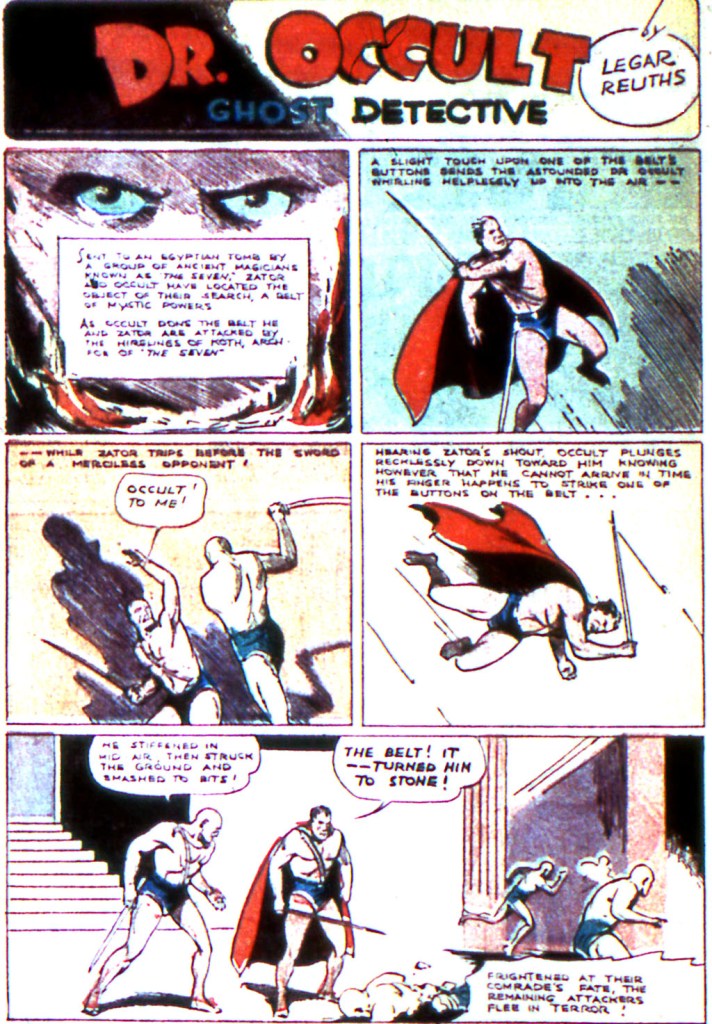
Using the mystic belt, Dr. Occult can now fly. Seemed like he was already flying in preceding chapters, but whatever. also, teh pseudonym on this installment leaves out the ampersand, crediting one Legar Reuths for the strip.
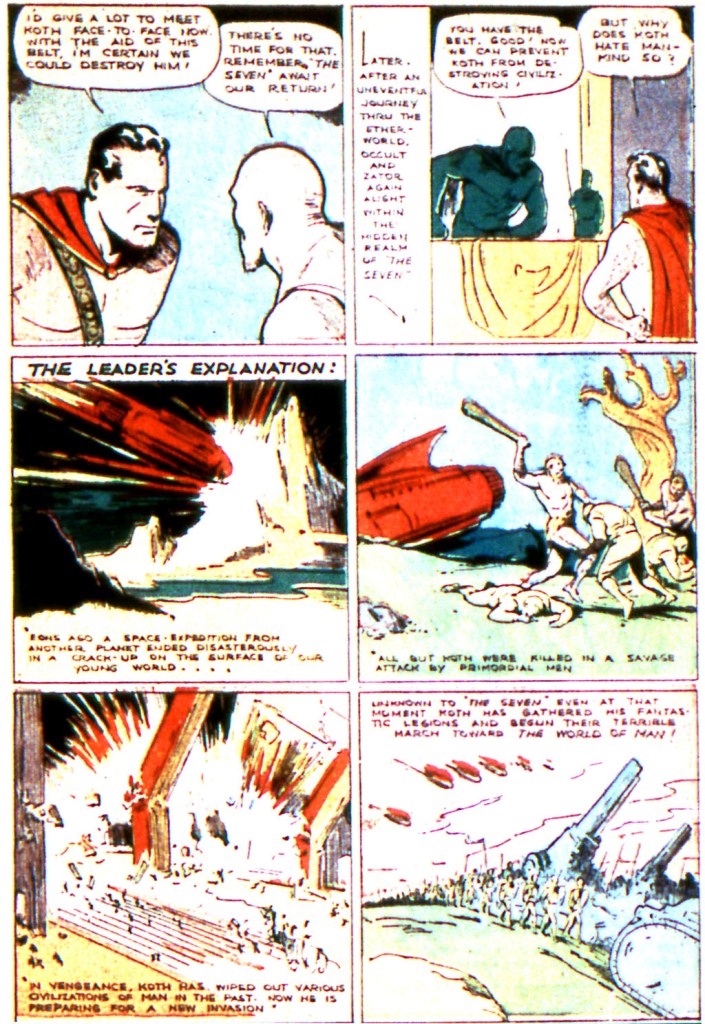
The story simply stops on this page without any indication that it’s continued in the following issue. But it is.
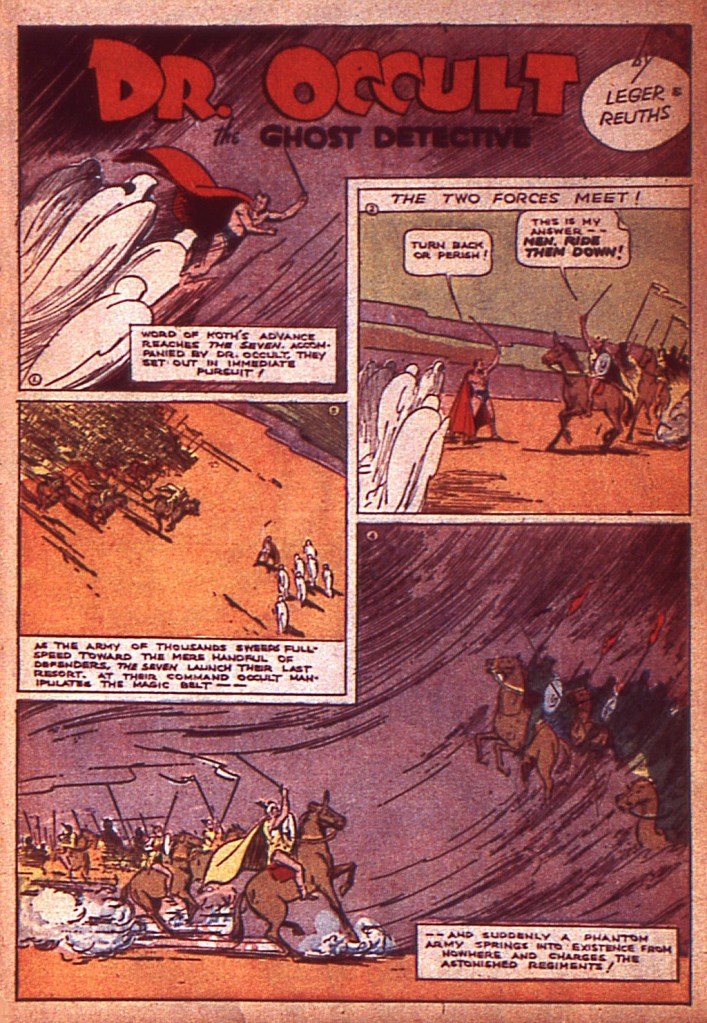
The ampersand has returned in the credit circle. And in this chapter, Joe Shuster tries to create some more expansive panels larger than the usual. The bosses at National Allied didn’t like these sorts of panels. They felt that the kid readers would feel like they were being cheated, so they insisted on six panels per page minimum, and eight as the standard. This limitation continued all the way into the Superman era.
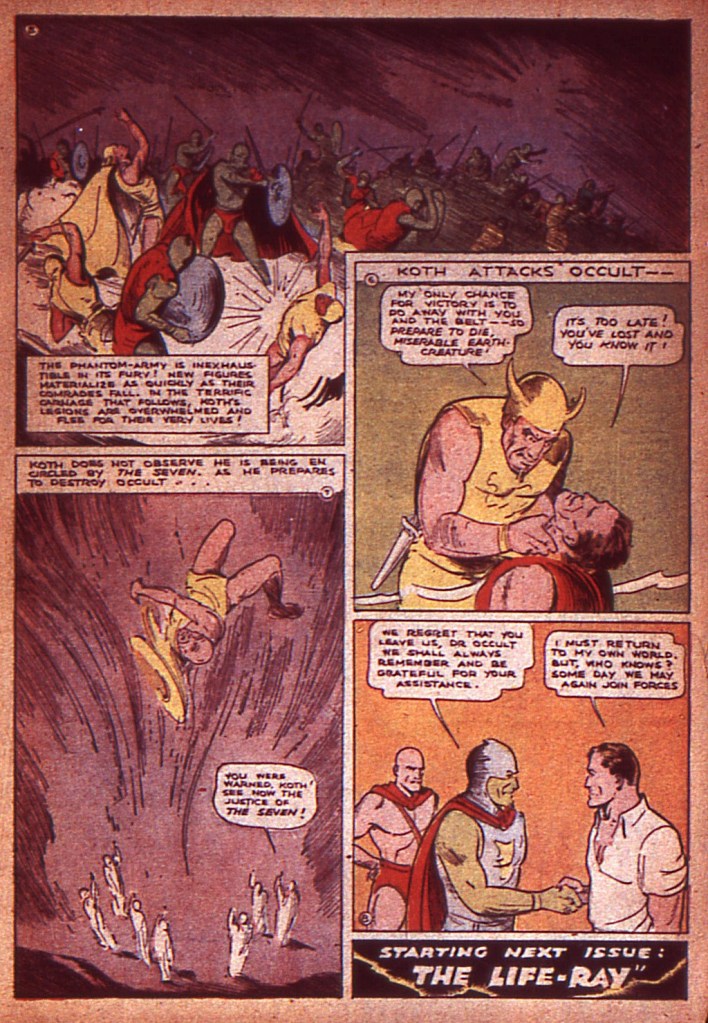
As a precursor to Superman, this story really doesn’t make much of an impact. But it let Siegel and Shuster blow off some steam while they waited for someone, anyone, to take a chance on their creation from Krypton.
 The Tom Brevoort Experience
A lot of Golden Age strips compare unfavorably with later works because of better production standards but this looks better than most. I’ve always preferred more character work in what I read but I could see myself loving this if I were a child of that era.
LikeLike
Boy, I wish we knew more about how THE COMICS MAGAZINE came about. But I guess Donenfeld had his fingers in a lot of pies, so one more side project isn’t too surprising.
Besides just “blowing off steam”, I wonder if Siegel and Shuster were considering permanently morphing Dr. Occult into a Superman-style character, since they couldn’t sell him otherwise. Probably just as well they didn’t — I don’t think a “Superman” who got his powers from magical gizmos would have hit the zeitgeist quite as well as the science-fiction version.
LikeLiked by 1 person
In Secret Origins#17 ( August 1987 ) Roy Thomas gave Doctor Occult & Rose Psychic origins ( 2 babies rescued from a Satanic cult, ( This part reminds me ) Zator raises them and trains them in the ways of the occult ( That and The Seven ) — comics.org ) ) that reminded me a little of Amazing Man’s origin [ Amazing Man Comics#5 ( September 1939 ) The Council of Seven ( Great Question, Nika, Lady Zina & Four unnamed others ].
LikeLiked by 1 person
In the first story where Doctor Occult increases his size reminds me of Jerry Siegel’s later DC Comics character the Spectre ( also his fight with another ghost, Zor [ More Fun Comics#55 ( May 1940 ) ] ).
LikeLike
Given the art, Shuster seems very taken with Alex Raymond’s work on Flash Gordon.
LikeLiked by 1 person
I had that thought, too, it is nice work . . . .
LikeLiked by 1 person
My impression is that everyone was taken by Raymond’s work back in the day (with good reason, of course).
LikeLiked by 1 person
Very nice Shuster work. Fluid and dramatic, if wispy here and there — though that kinda works with the mystic realms and all.
LikeLiked by 1 person
I don’t think the engravers made a mistake: maybe the fleshtone color was the correct one. As RSMartin points out, the look was based on Flash Gordon (check out the cover of volume 1 of the Kitchen Sink “Flash Gordon” collection from 1990 for an example).
LikeLike
Two men named William Cook and John Mahon published The Comics Magazine #1. Cook and Mahon were former disgruntled employees of Wheeler-Nicholson. They were the editor and business manager of National Allied Publications.
I don’t know if they simply took/stole the art work due to not getting paid or if some sort of deal was worked out with the Major.
LikeLiked by 2 people
Makes me wanna read a “Dr. Occult” story written & drawn by Michael T. Gilbert.
LikeLiked by 2 people
Maybe a three-way crossover with Dr. Occult, Mr. Monster, and Hellboy. (I remember the Batman, Starman, & Hellboy story.)
LikeLiked by 1 person
The Seven seem to be a variation on the Theosophical myth of the Masters of the Great White Lodge. Their name reminds me of Talbot Mundy’s “The Nine Unknown” (1923).
LikeLiked by 1 person