

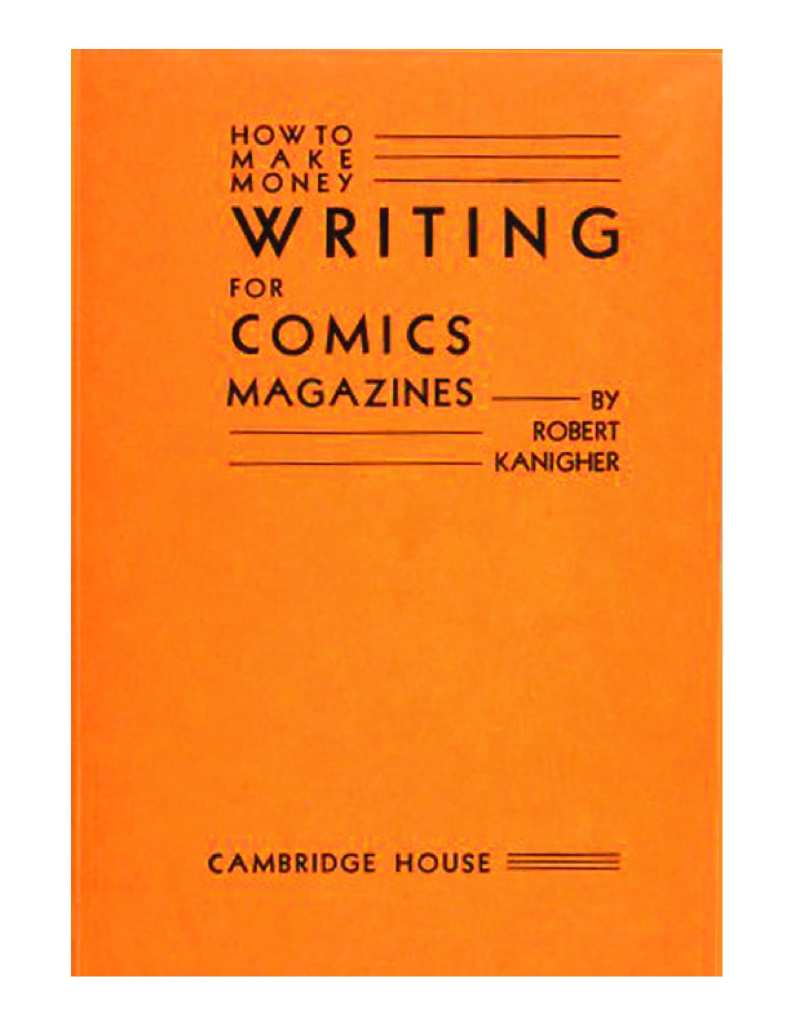
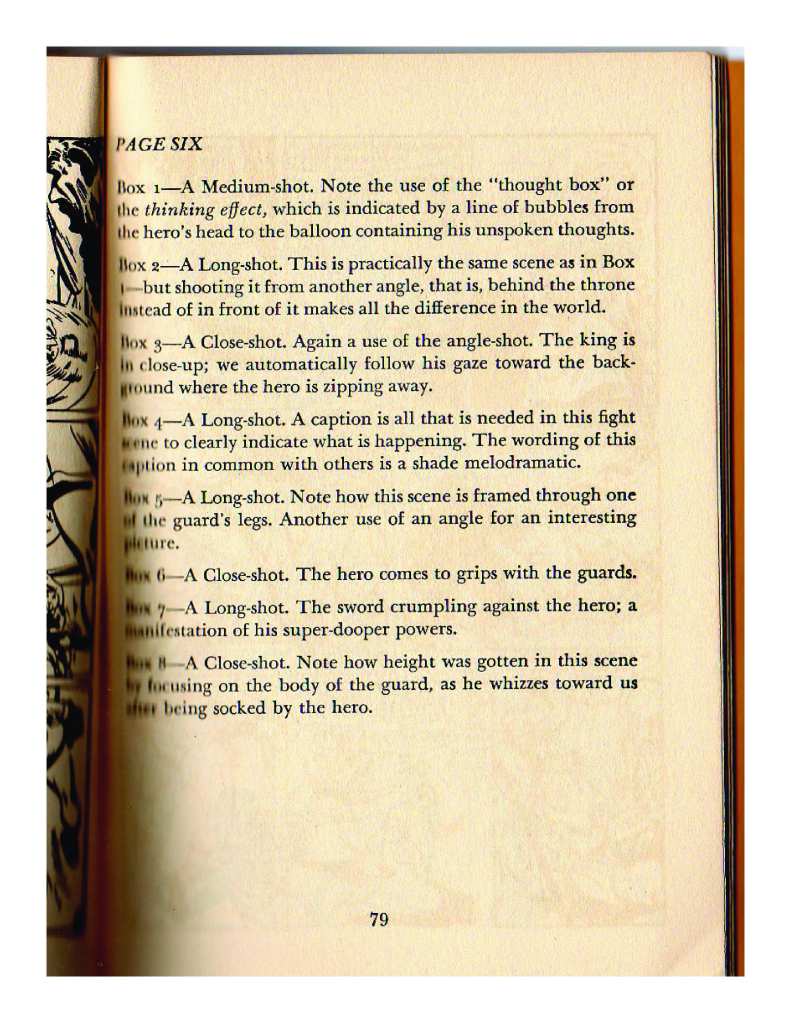
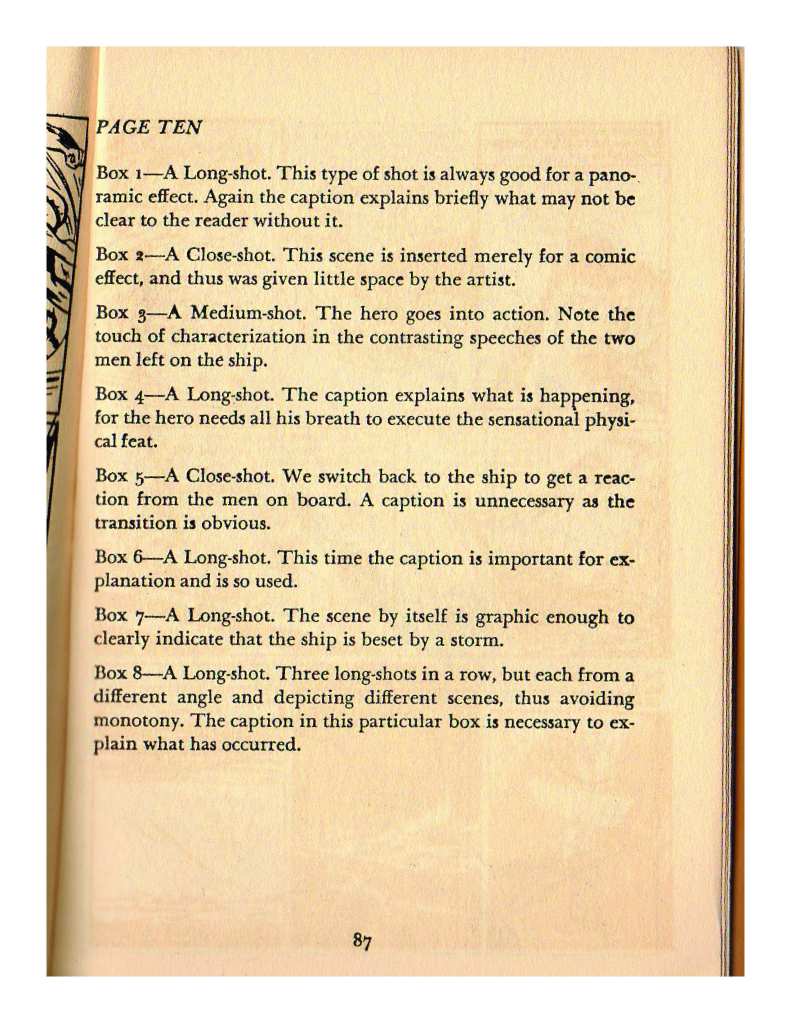
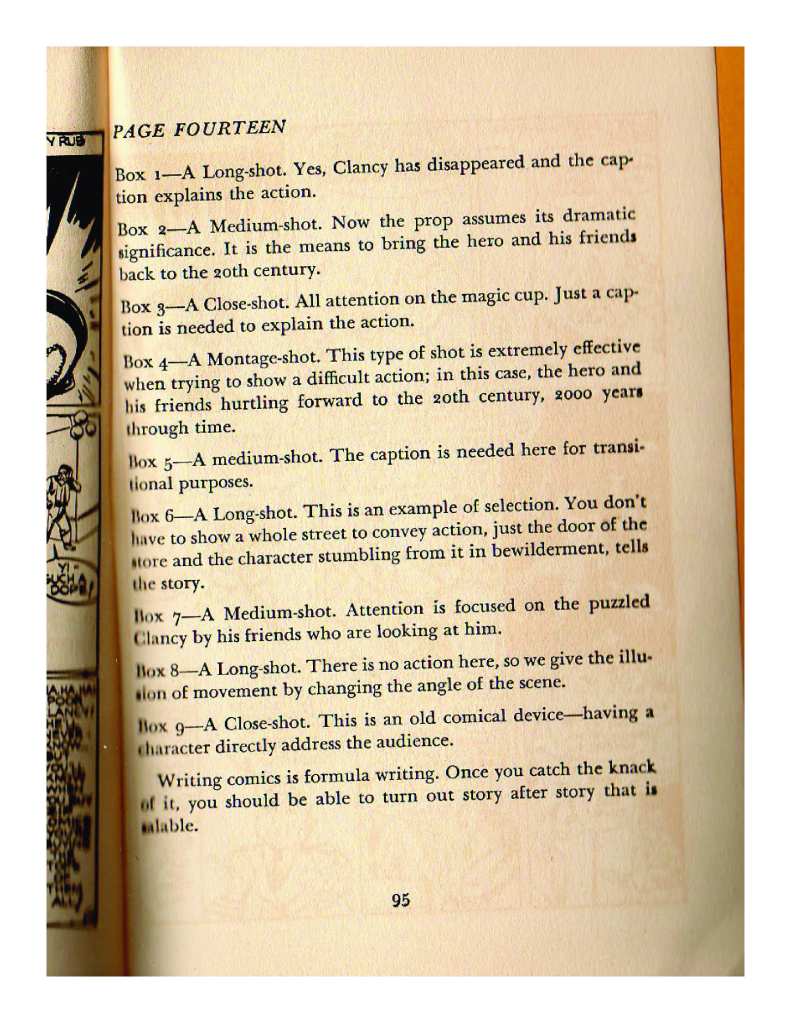
Here’s the fifth and final part of our overview of this short hardcover how-to pamphlet authored in 1943 by writer/editor Robert Kanigher. It’s a wealth of interesting information about just how comic books were put together back during the Golden Age and what publishers were looking for.
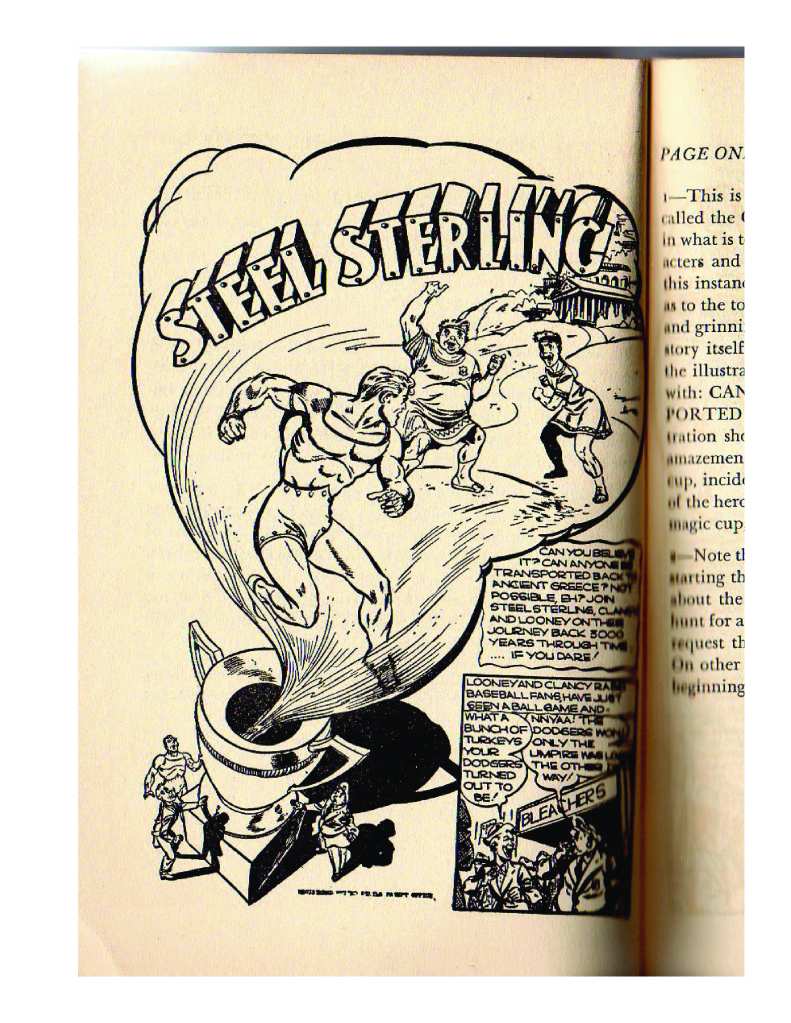
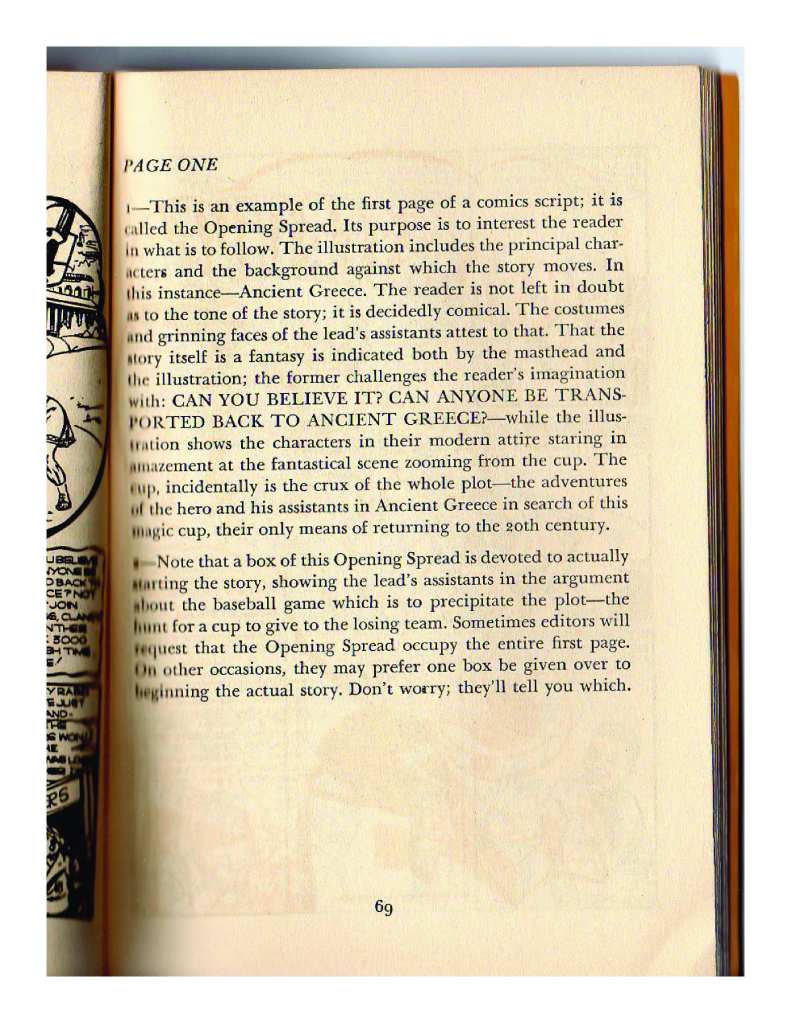
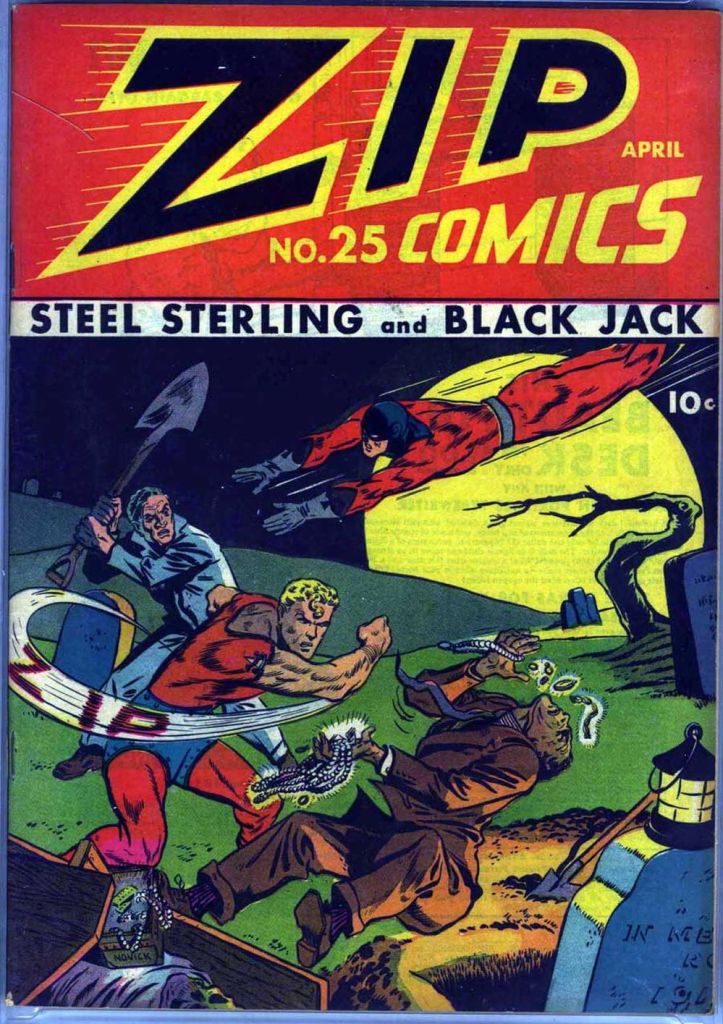
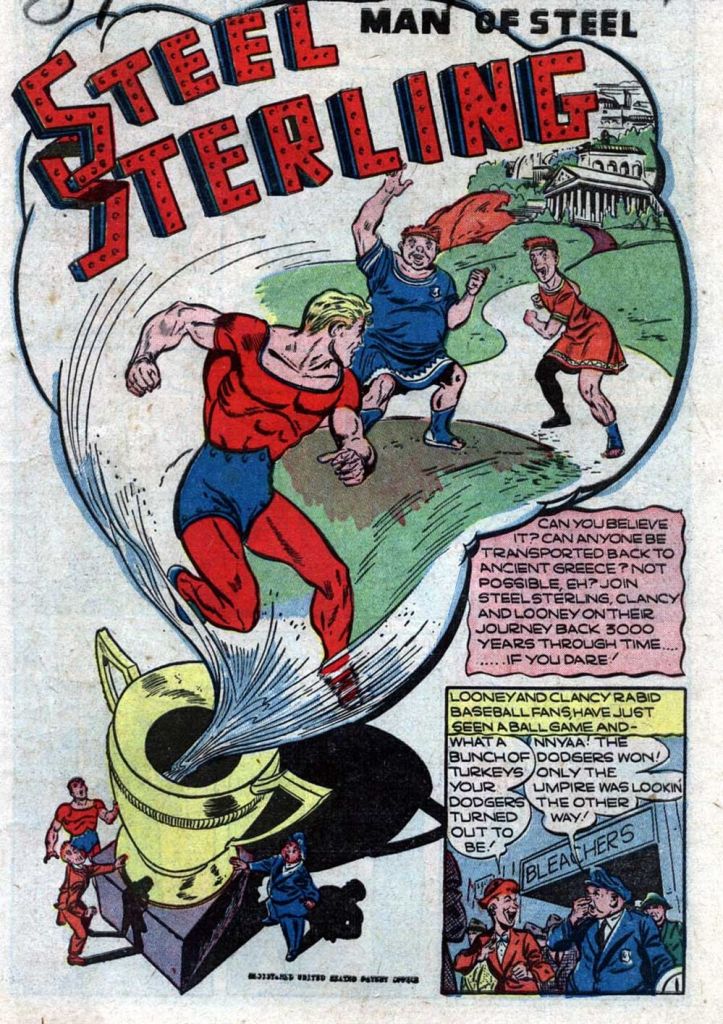
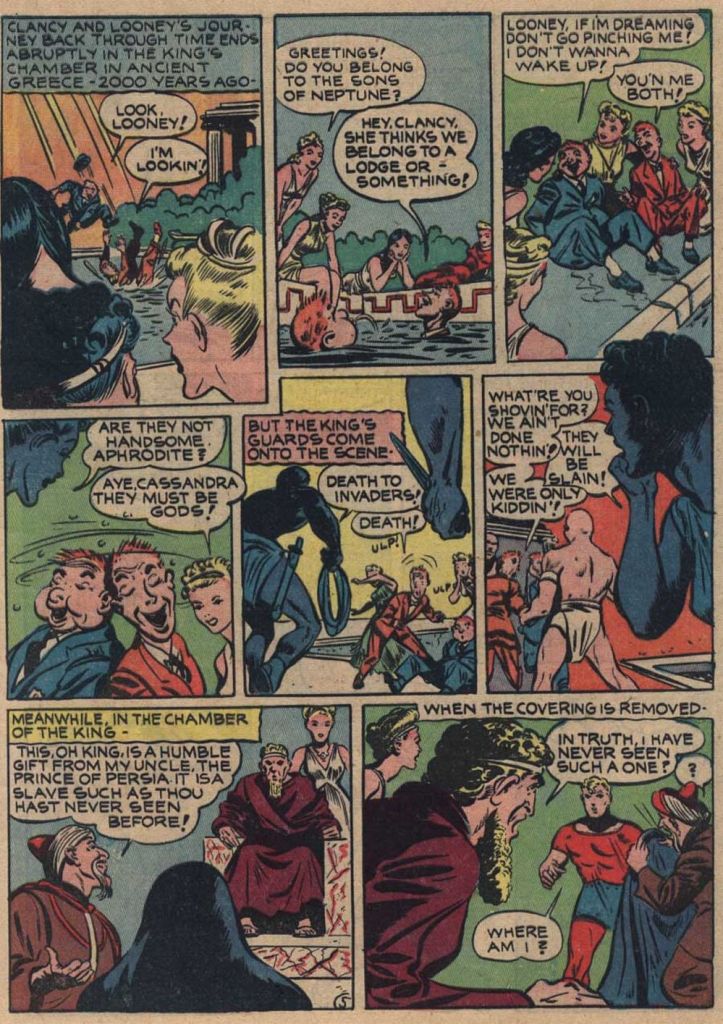
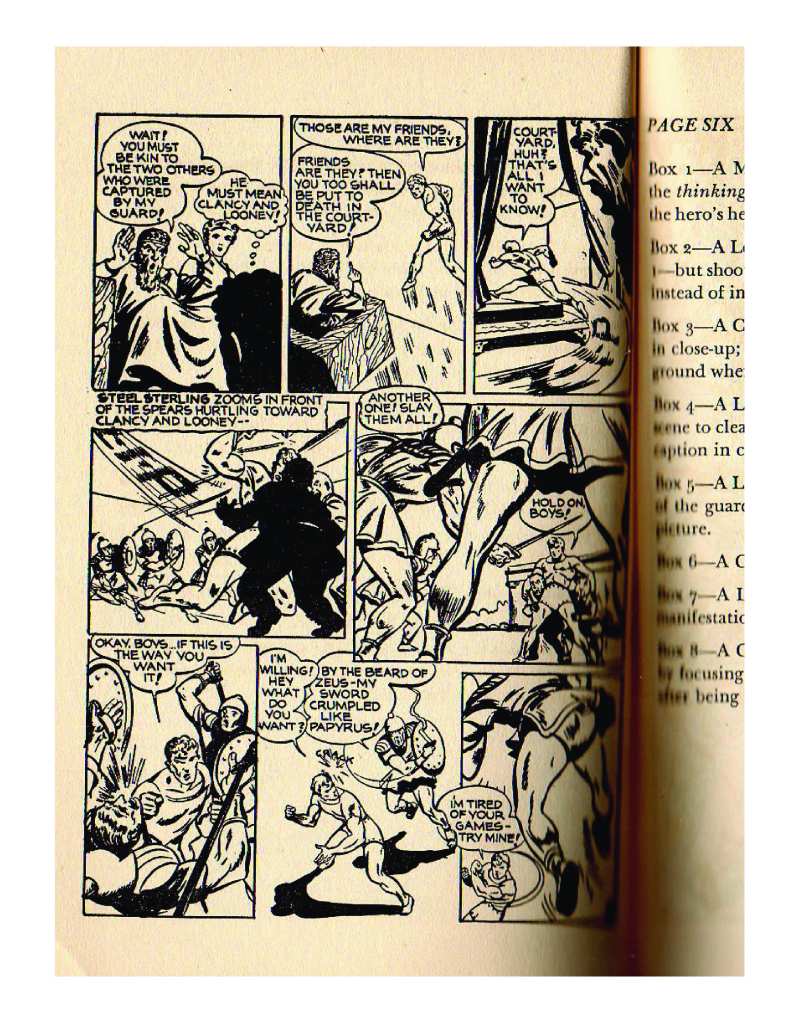
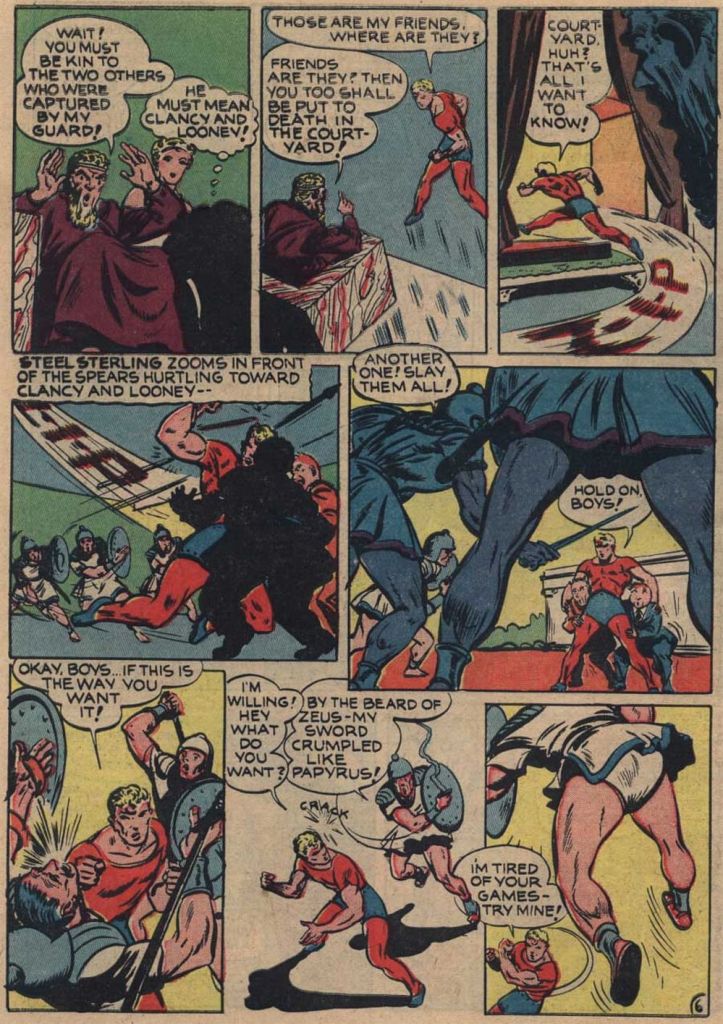
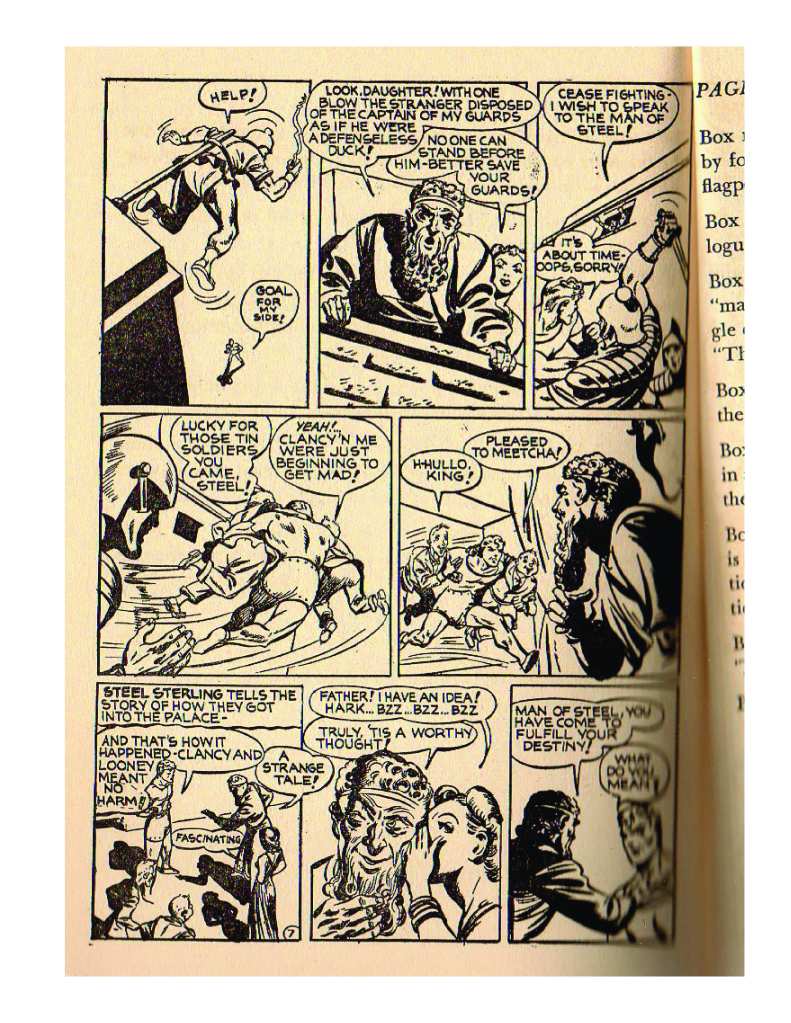
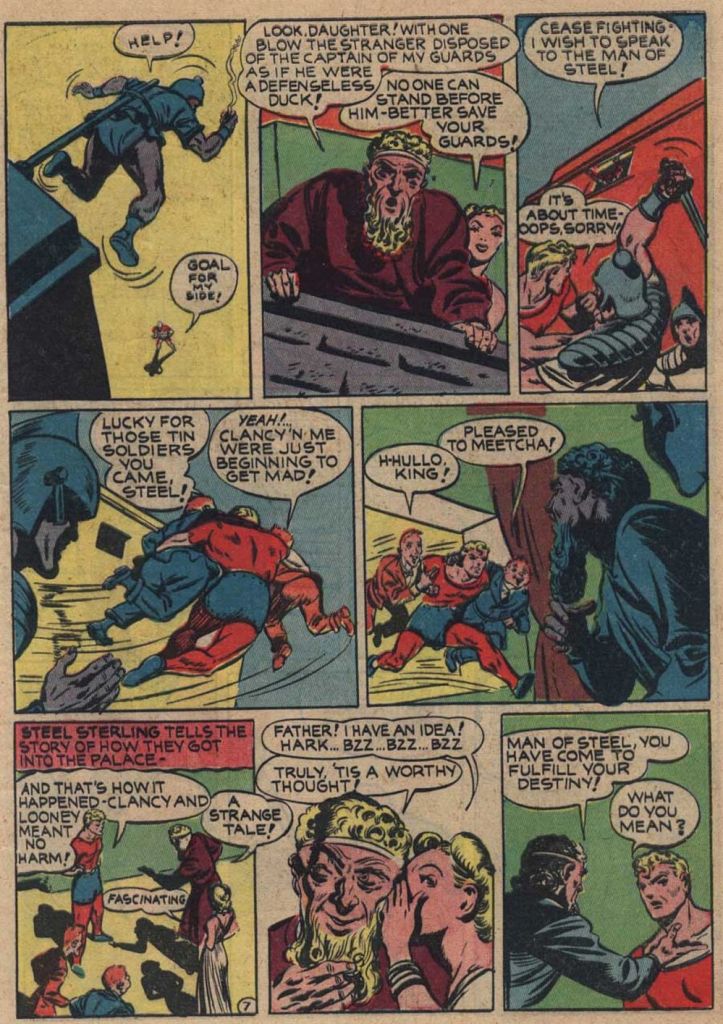
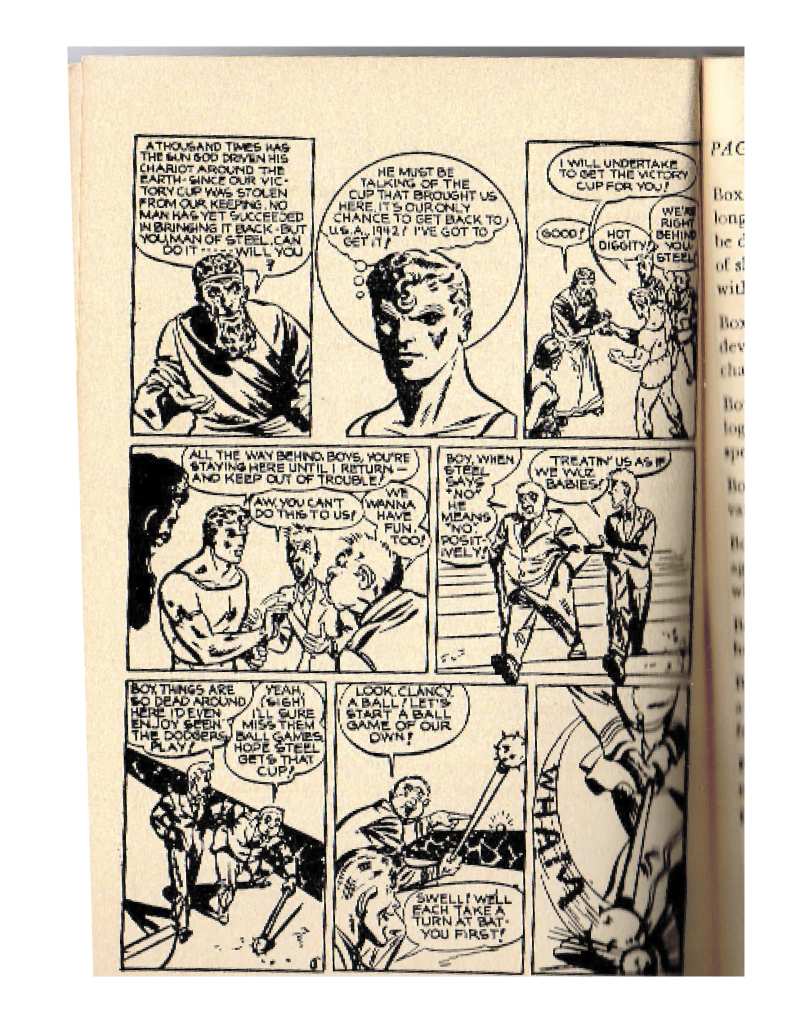
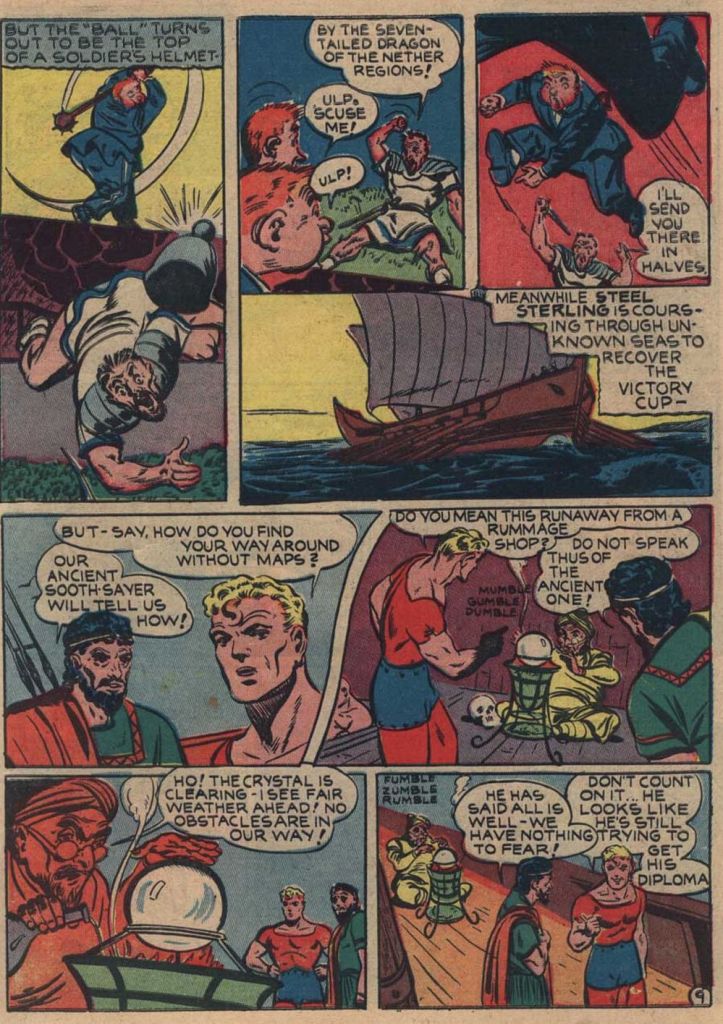
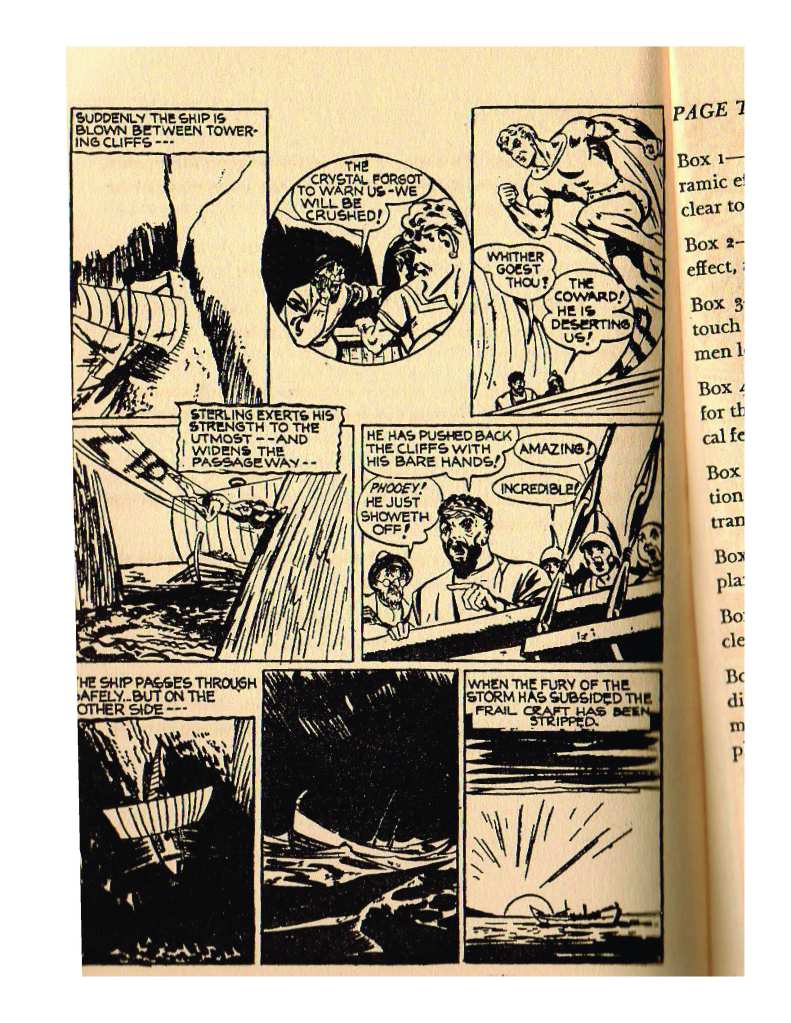
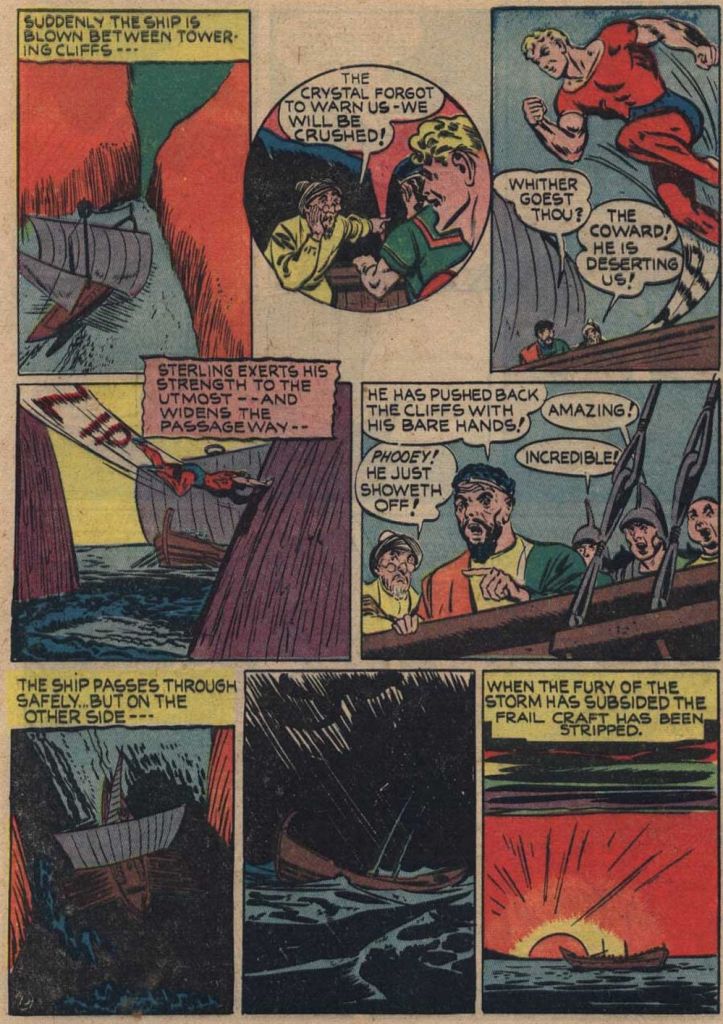
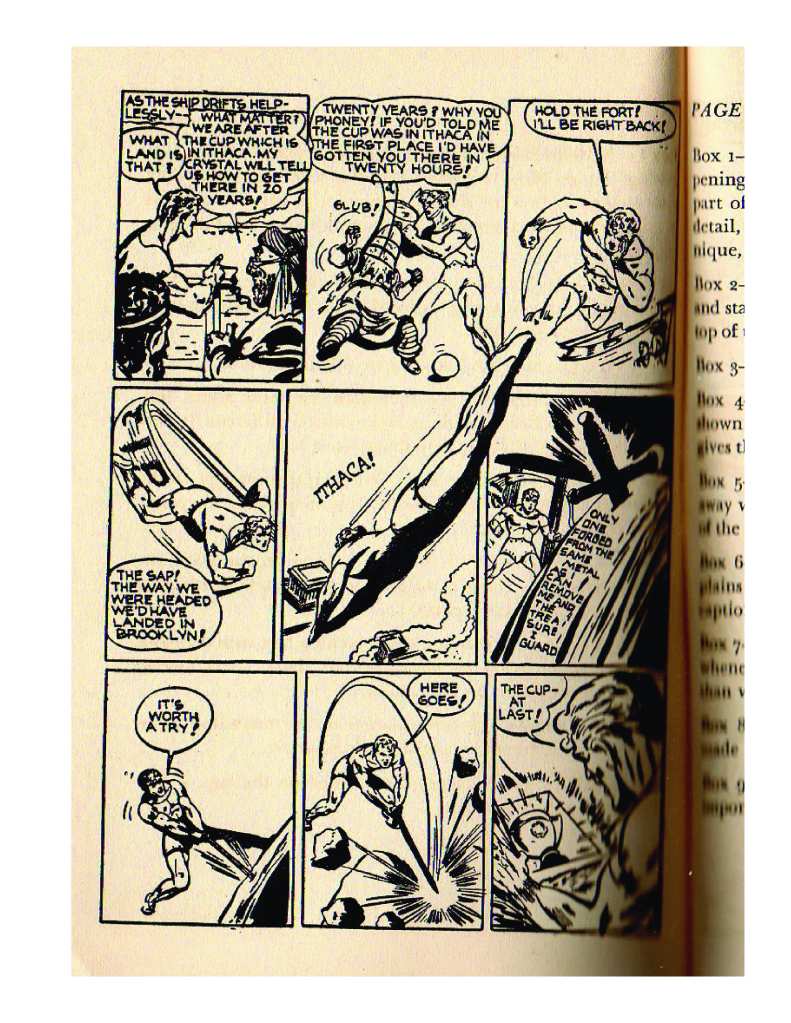
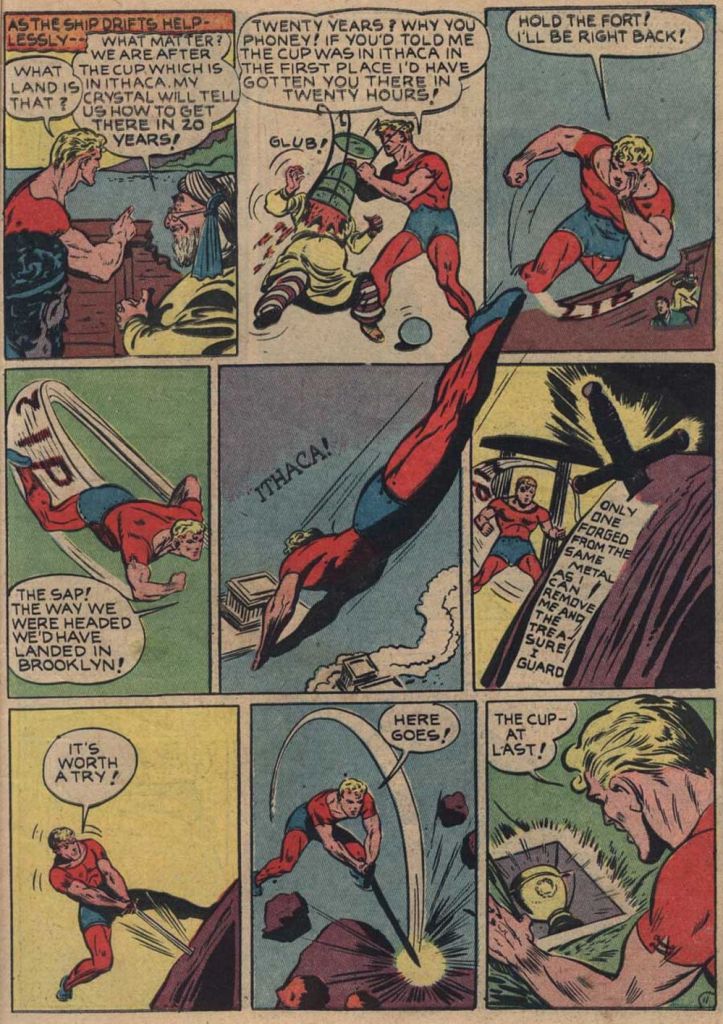
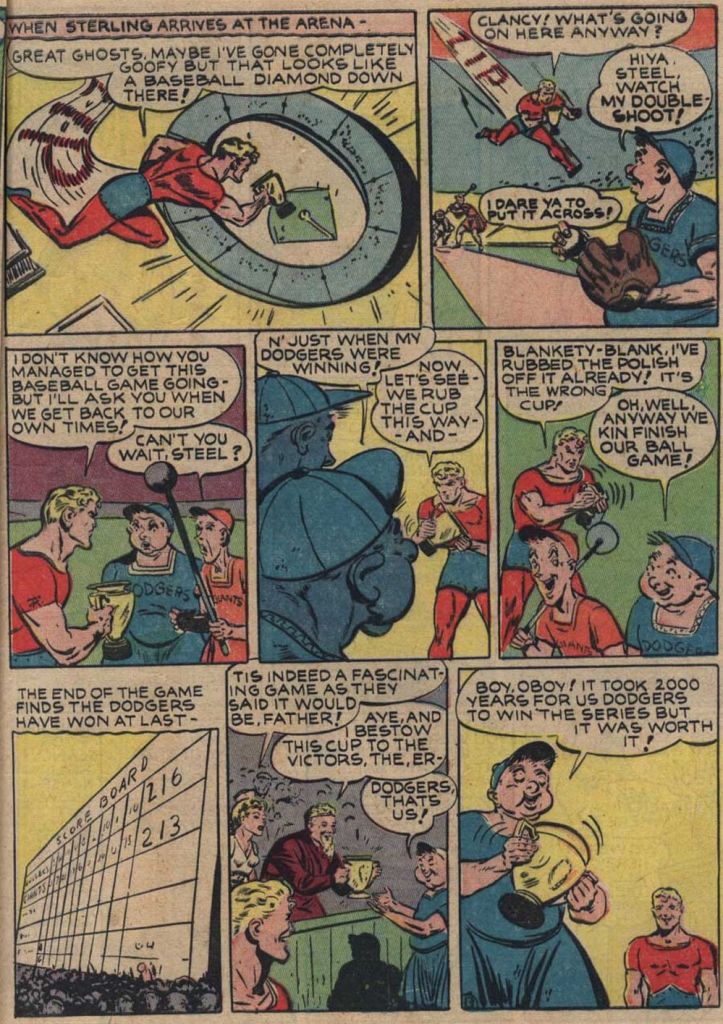
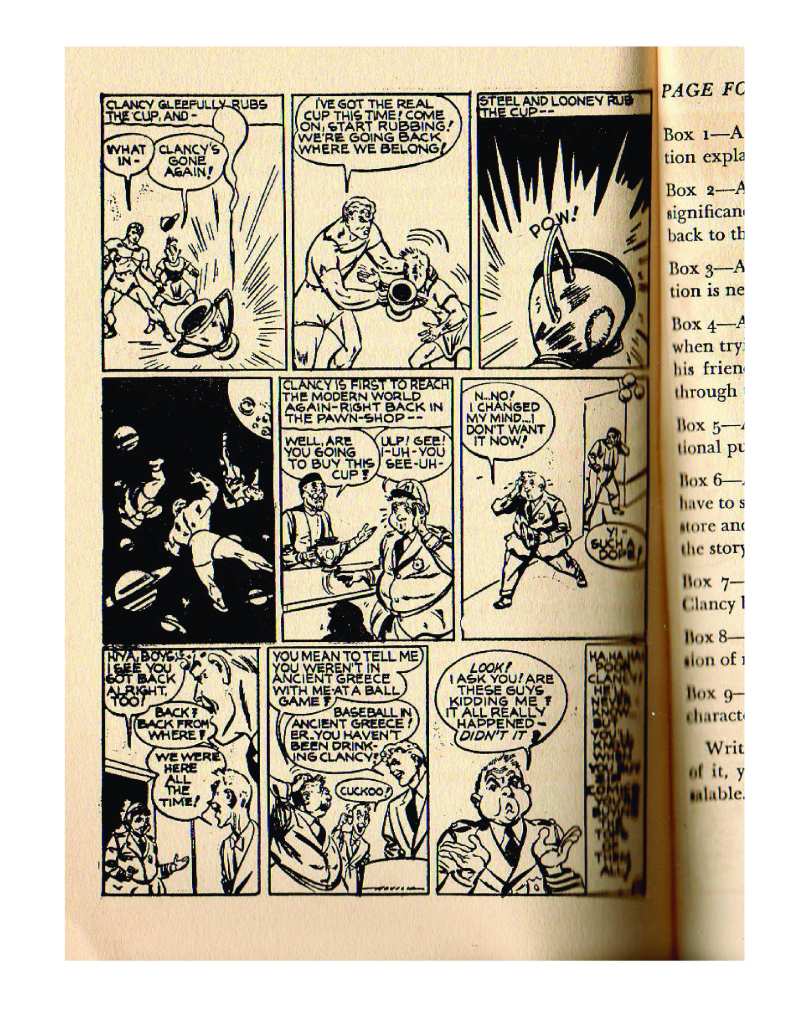
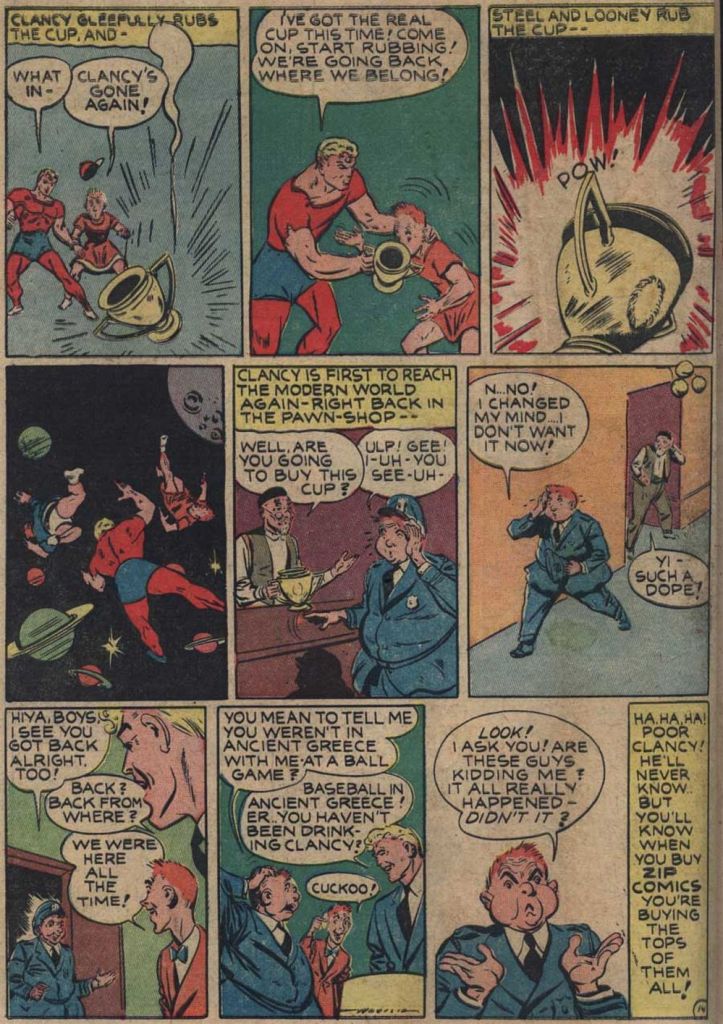
The story that Kanigher breaks down here was the Steel Sterling feature published in ZIP COMICS #25 in 1942. Artwork was provided by Irv Novick, who had been with the feature since the beginning.
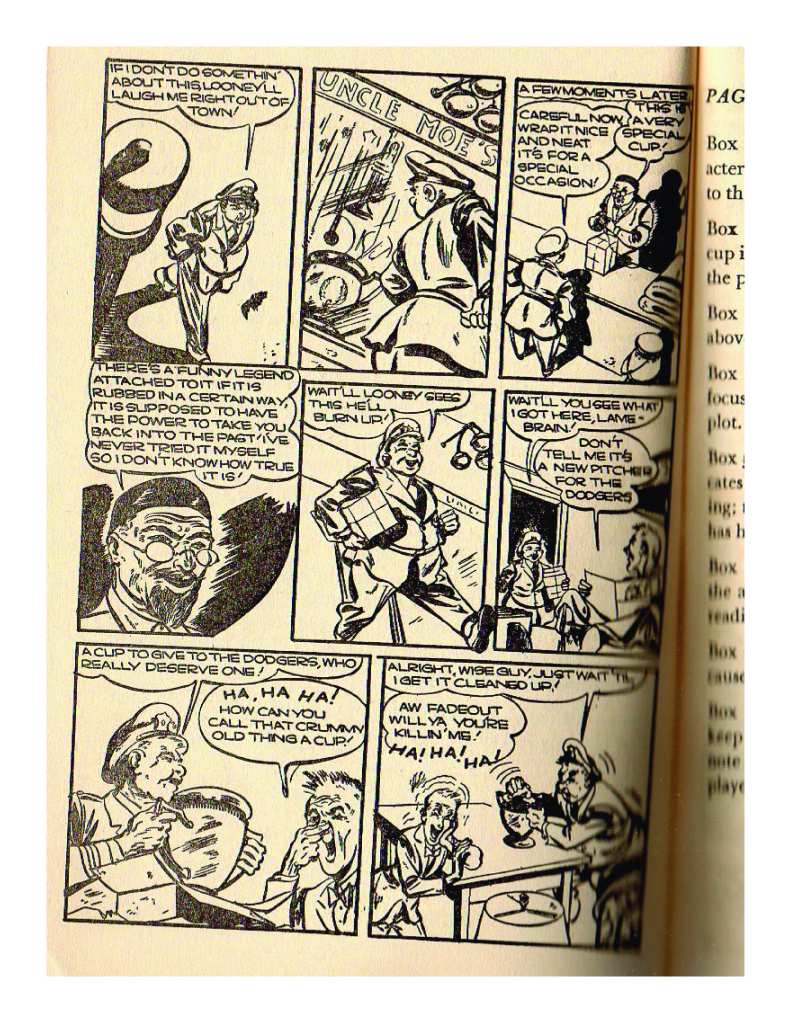
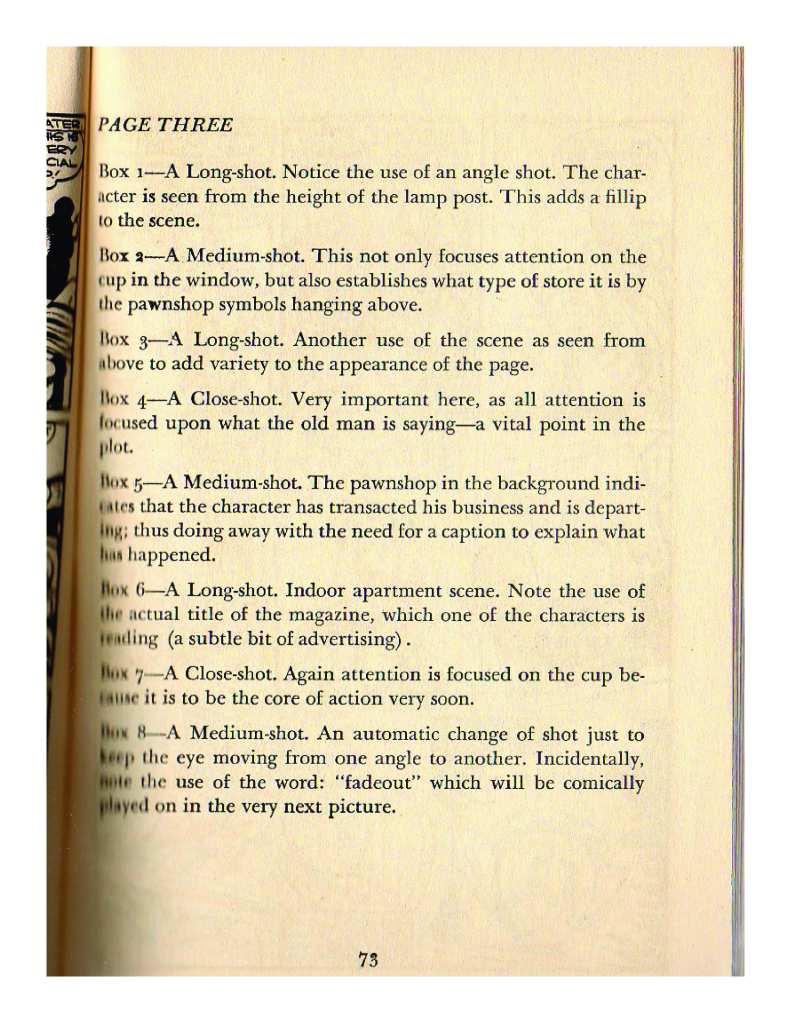
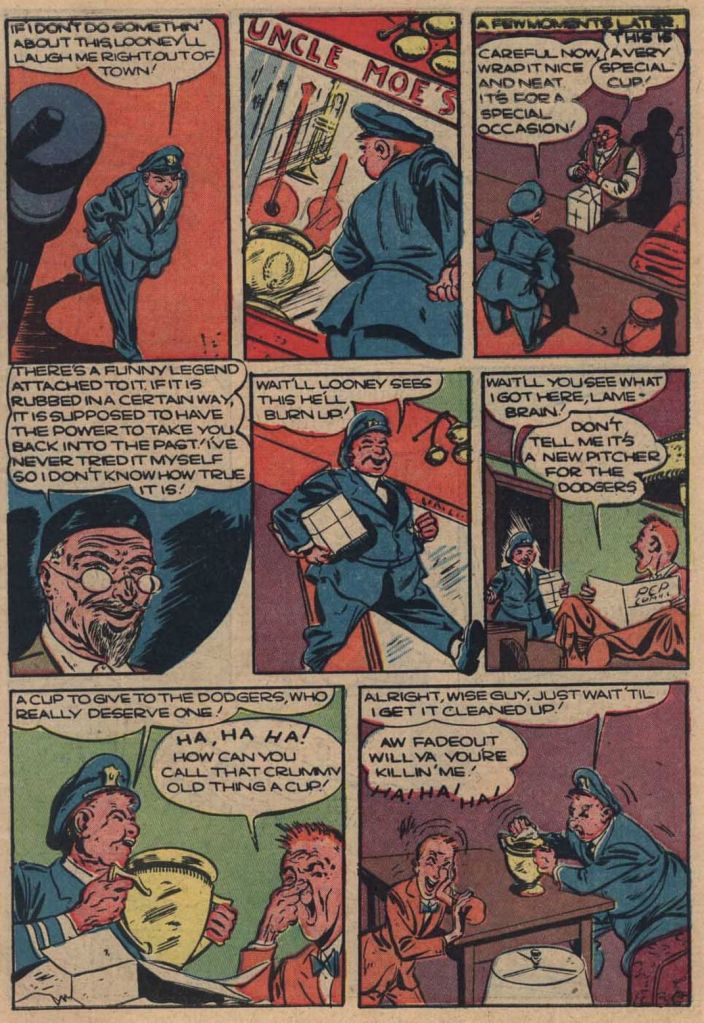
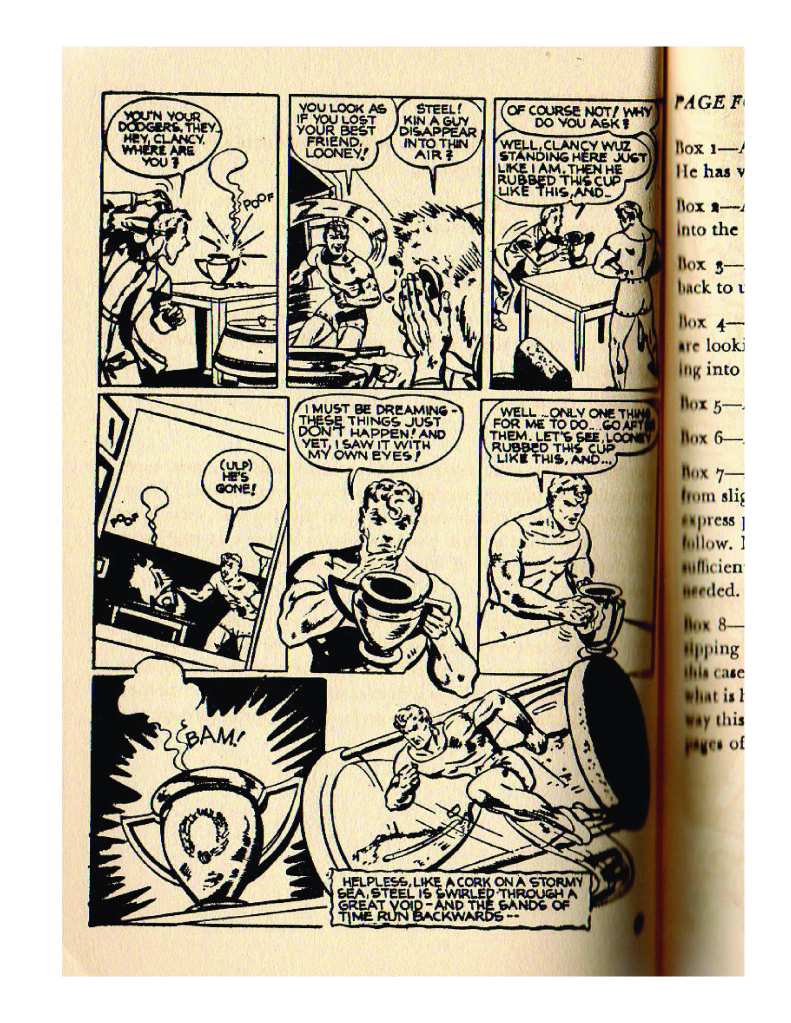
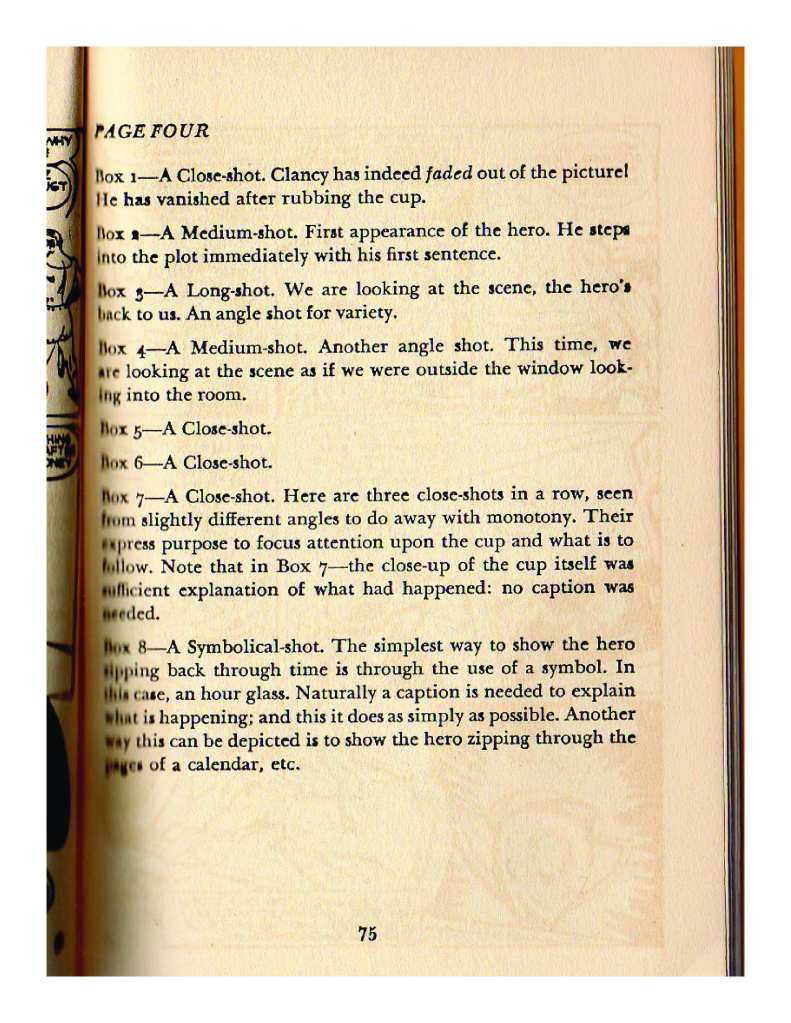
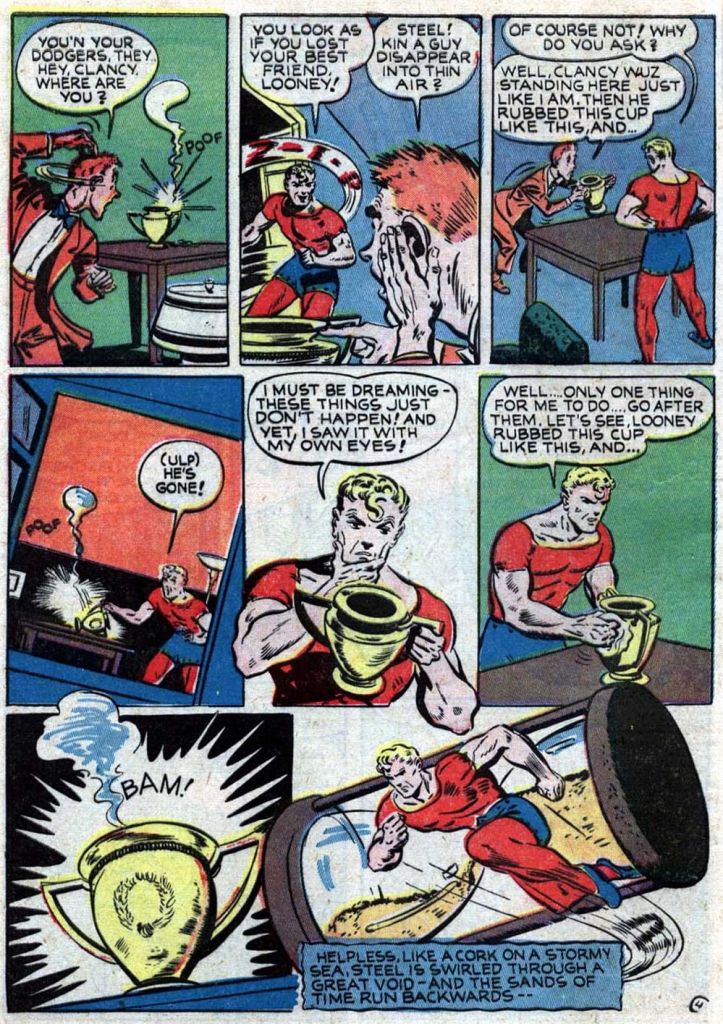
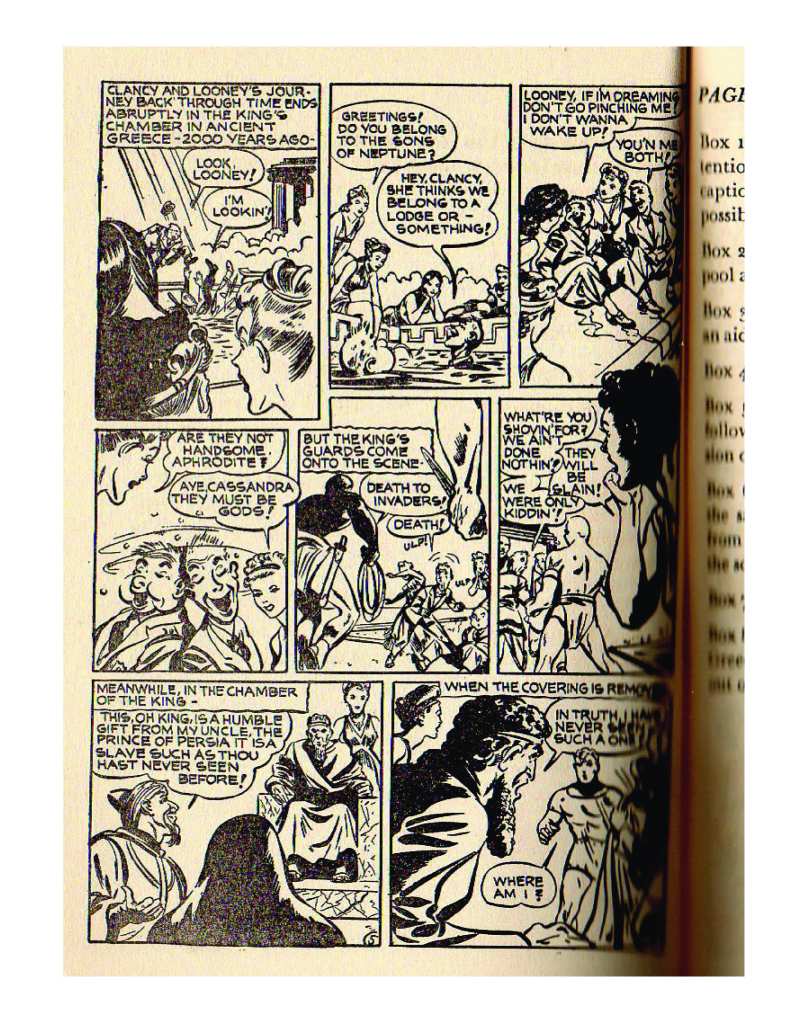
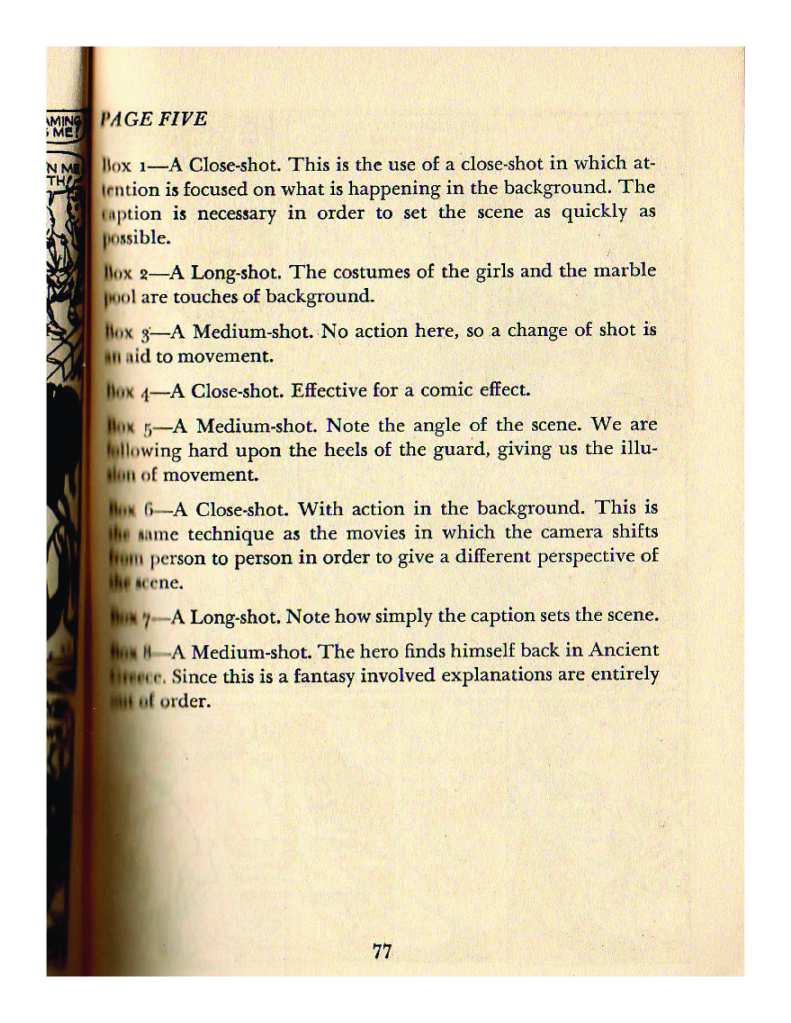
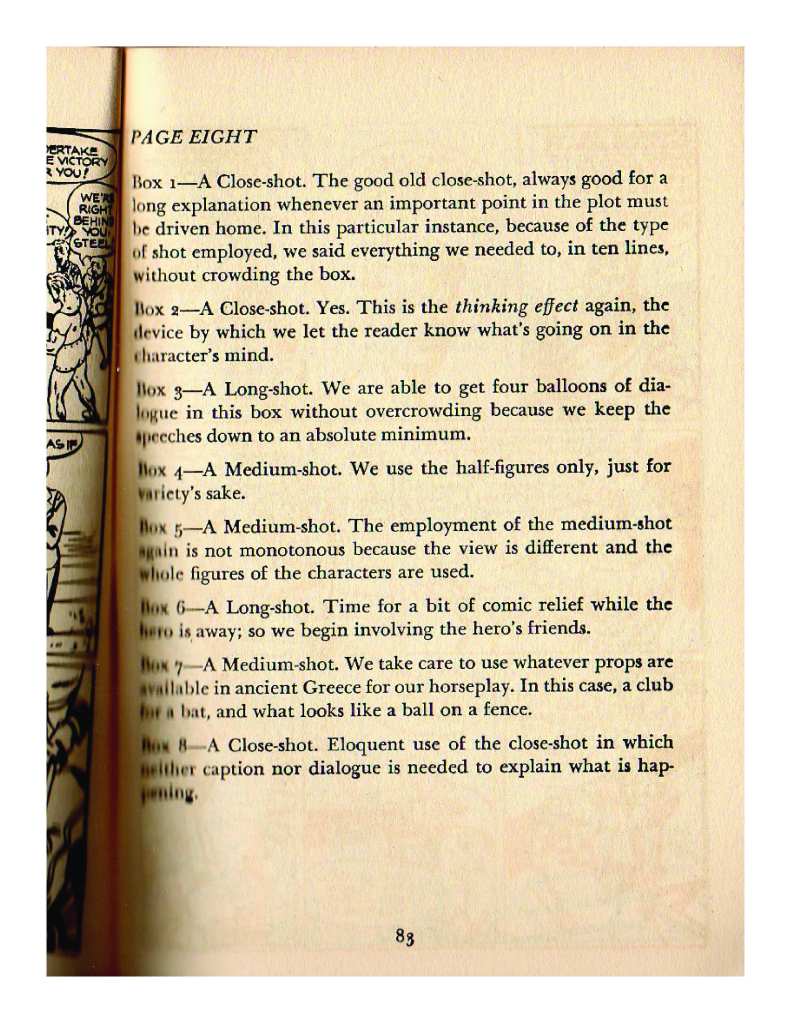
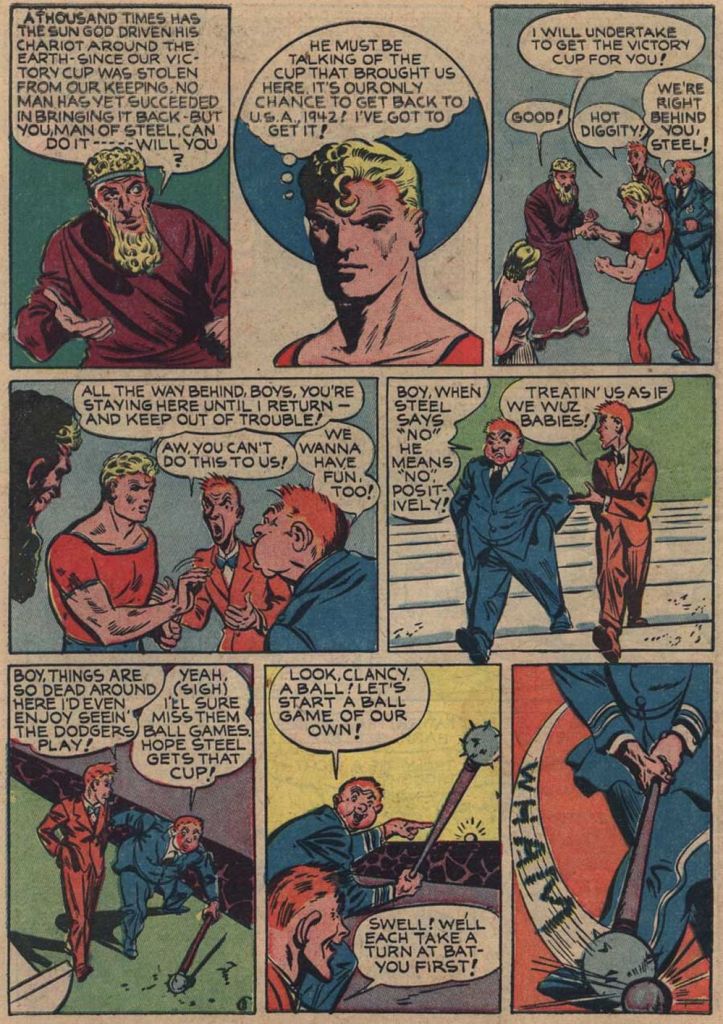
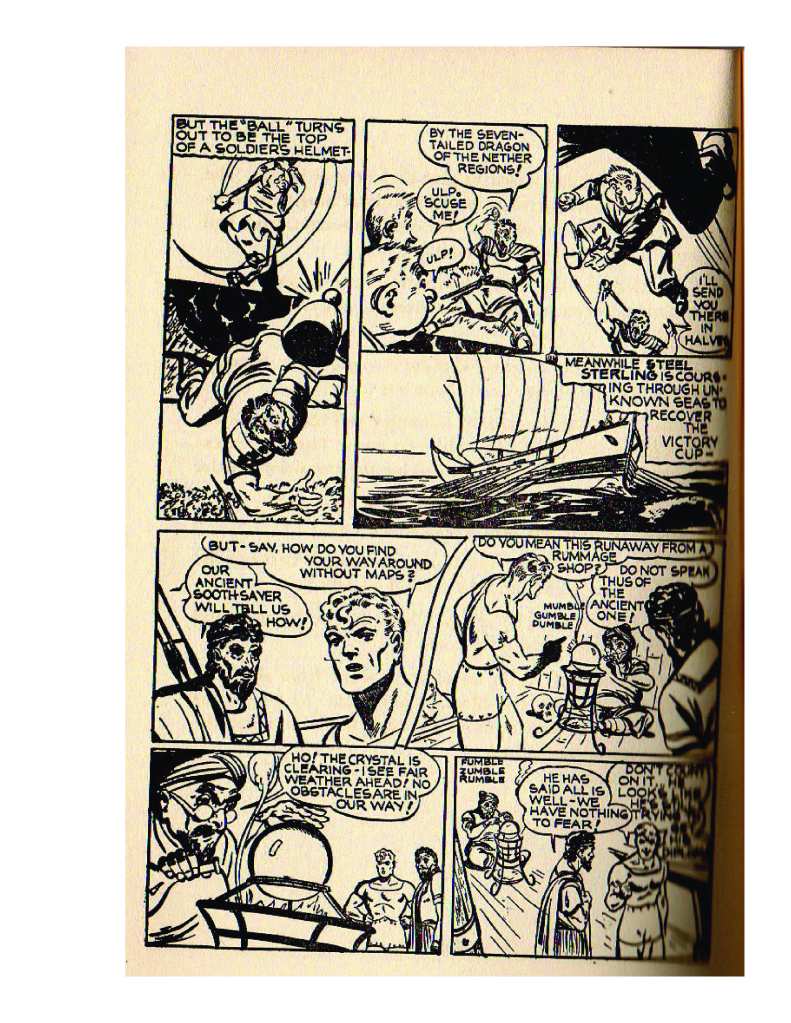
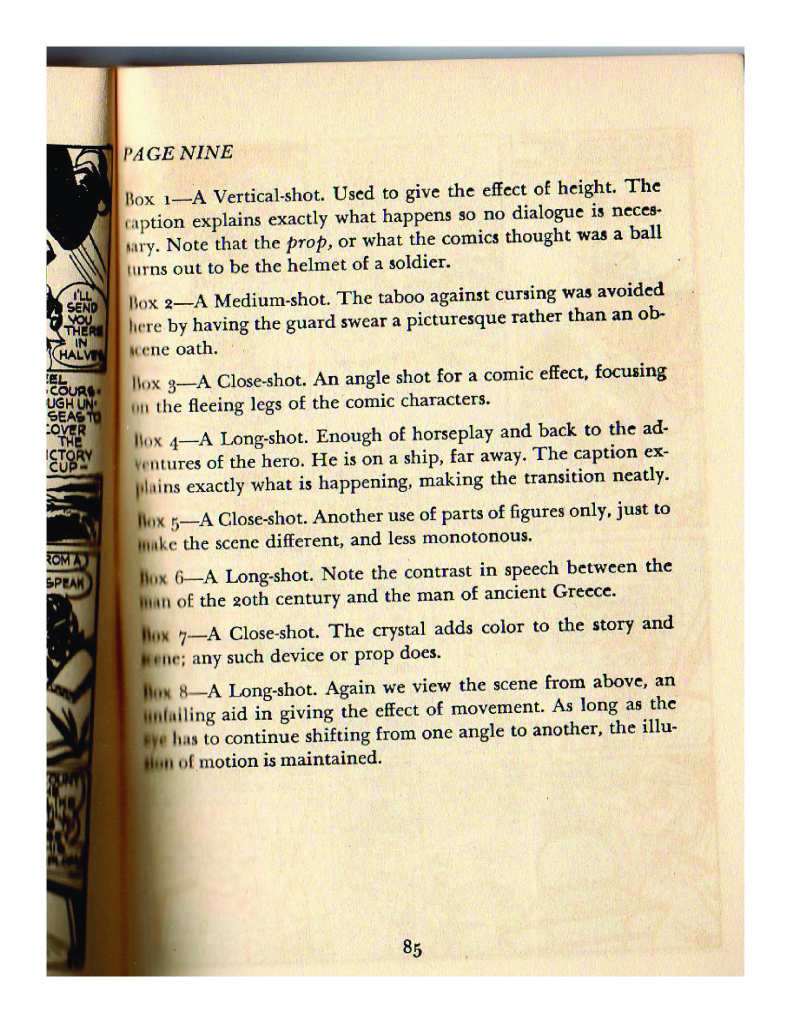
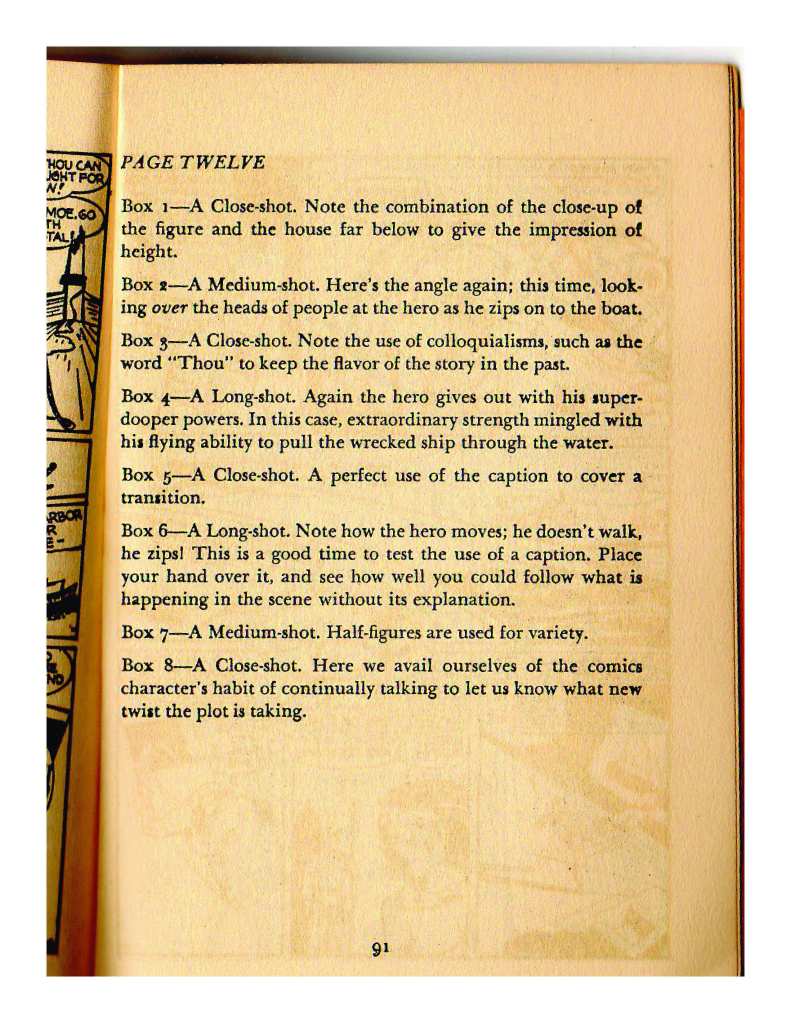
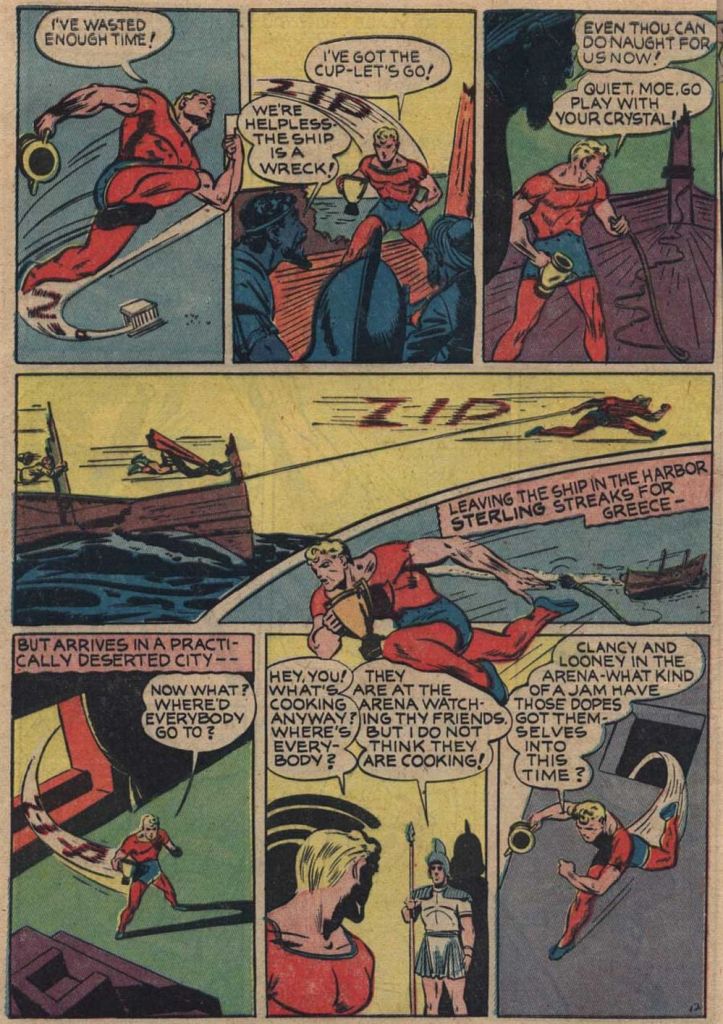
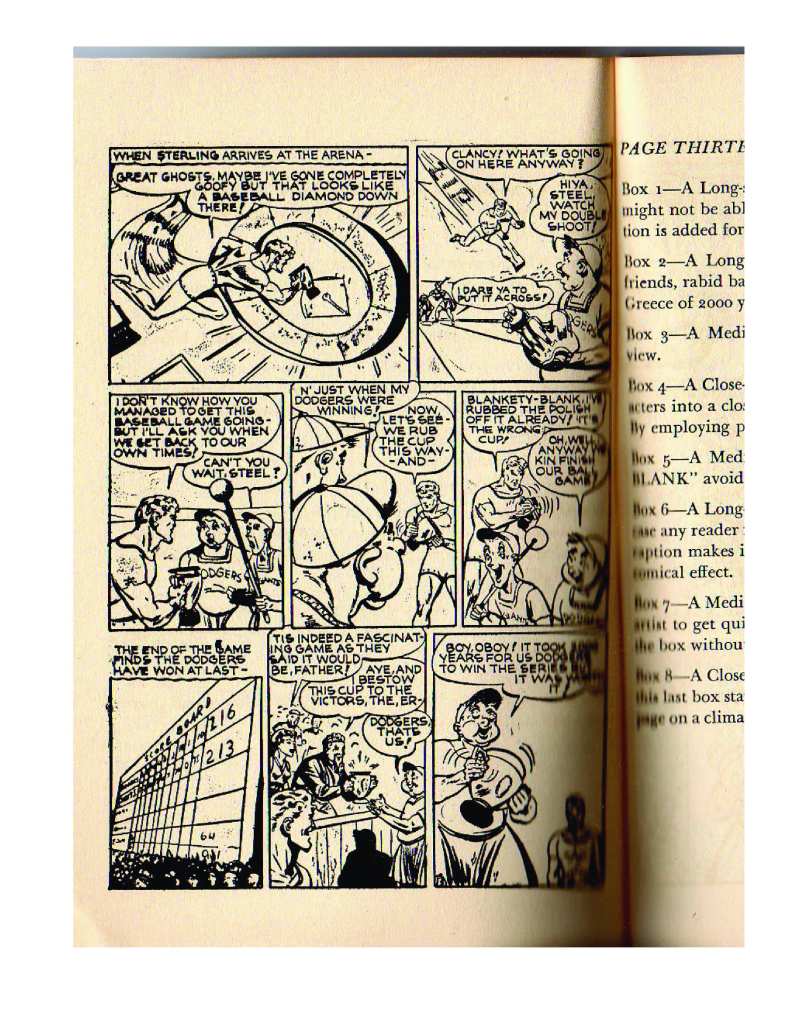
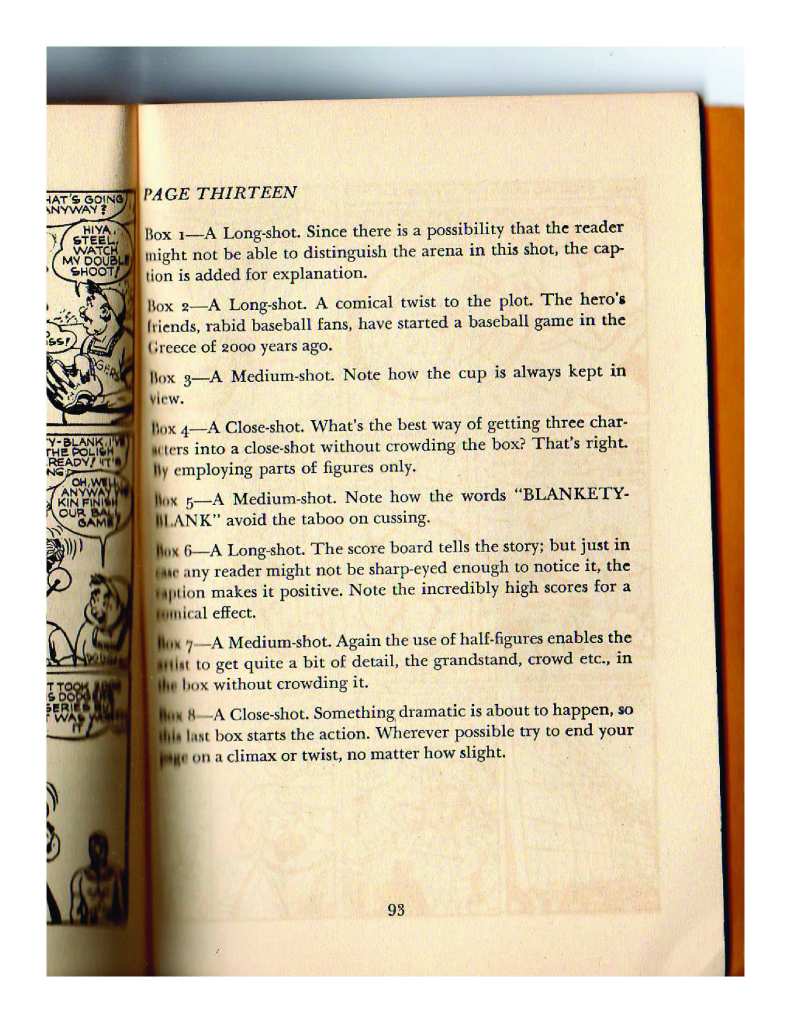
 The Tom Brevoort Experience
I have read that Irv Novick had National’s highest page rate in the 1960s. Since he worked primarily with Kanigher, I wonder if this was a function of their longs association or if it had to do with his work?
DC had Infantino, Kane, Swan and Kanigher’s books had Kubert, Heath (and Drucker. early on.
Novick was good but I would have assumed it would have been Swan or Infantion (if true).)
LikeLike
It’s entirely possible for more than one artist to have the top rate. If the top rate was, say $100 (I’d guess it was lower), and you’re paying Swan, Infantino and Novick that, they’re all making top rate.
LikeLiked by 1 person
That makes sense of course.
Given the multiple editors then, it must have gotten interesting. I assume sales figures counted a lot for that but there was such a lag time and they could be skewed.
It seems, at best, things were not as data-driven . . . .
LikeLike
Things were definitely not as data-driven. And the editors didn’t set the page rates. If a creator wanted a raise, the editor would have to go to their own bosses to approve it. Editors supervised making the comics; the business stuff was in other hands.
And even today, people’s rates don’t fluctuate with sales. Their royalties (if any) would, but at any company there are probably a bunch of creators making “top rate.”
LikeLike
It makes sense, it was a close corporation, the owner/Publisher and the business manager probably called the shots.
I would suspect he had favored editors and less favored ones . . . .11
LikeLike
If you’re talking about DC, then sure, pre-1967, Donenfeld and Liebowitz called the shots, and I’m sure there were editors they liked more than others.
That wouldn’t have had much of an effect of page rates, though. They wouldn’t decide to pay a popular artist less because the editor he worked for annoyed them, because they wanted to keep the popular artists from going to another employer.
So Swan working for Mort, Novick working for Kanigher or Infantino working for Schwartz wouldn’t stop any of them from getting top rate. They probably all got it, as did Kubert and several more.
LikeLike
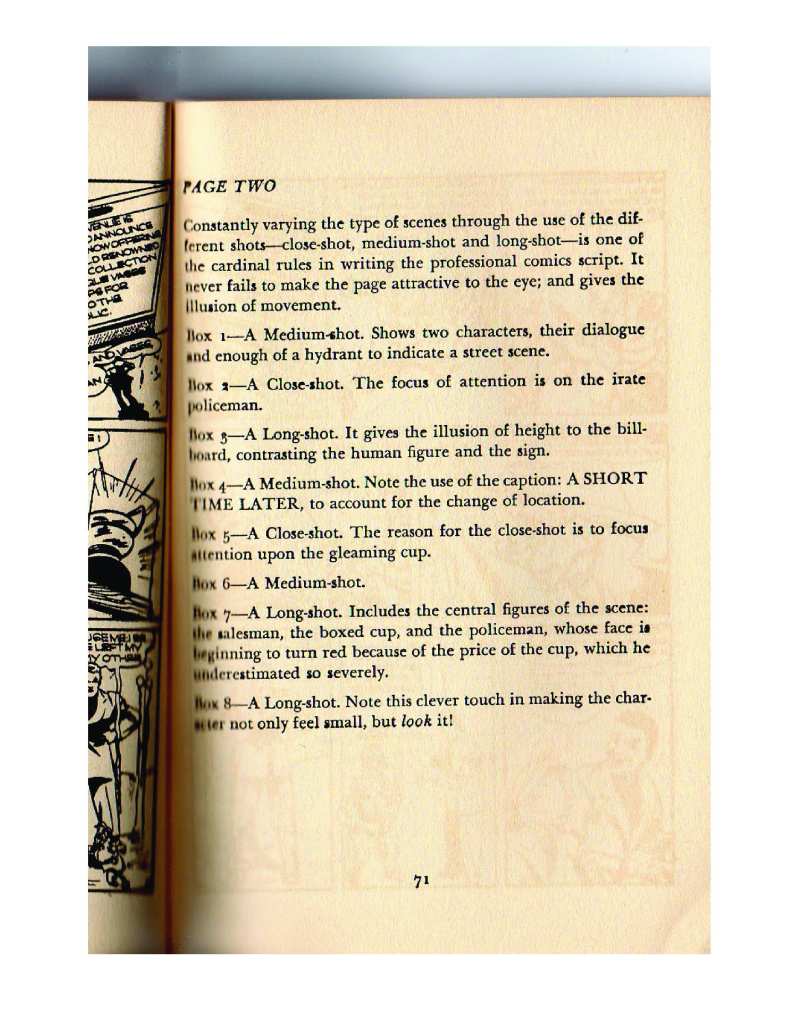
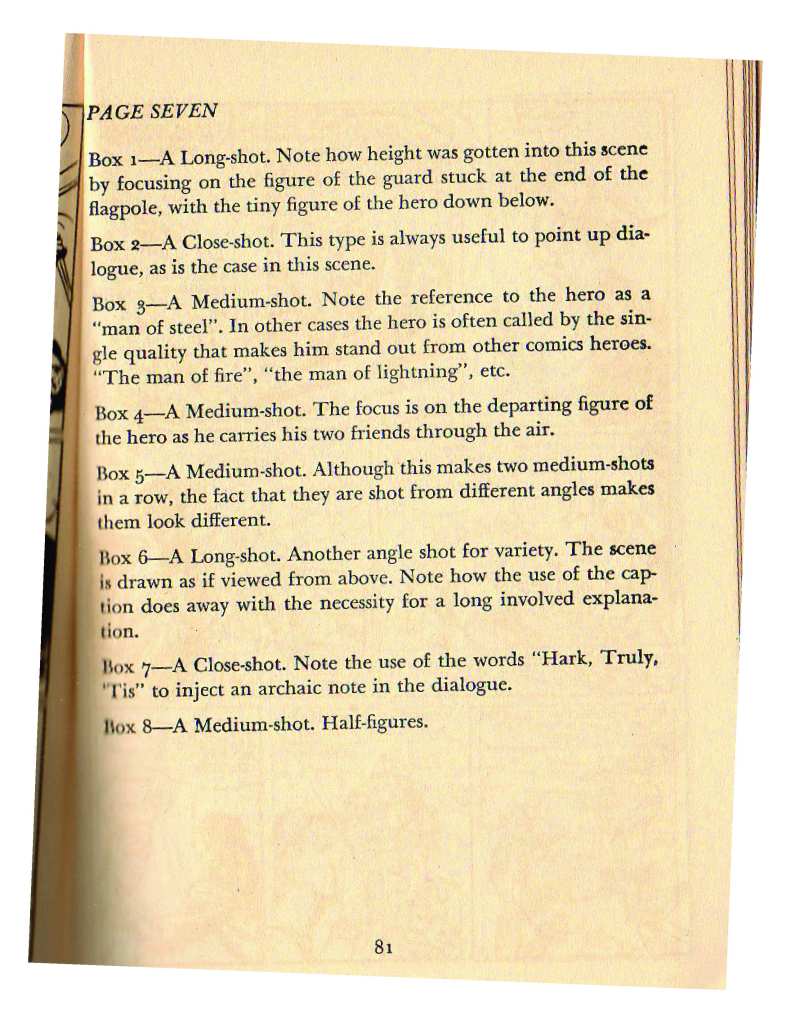
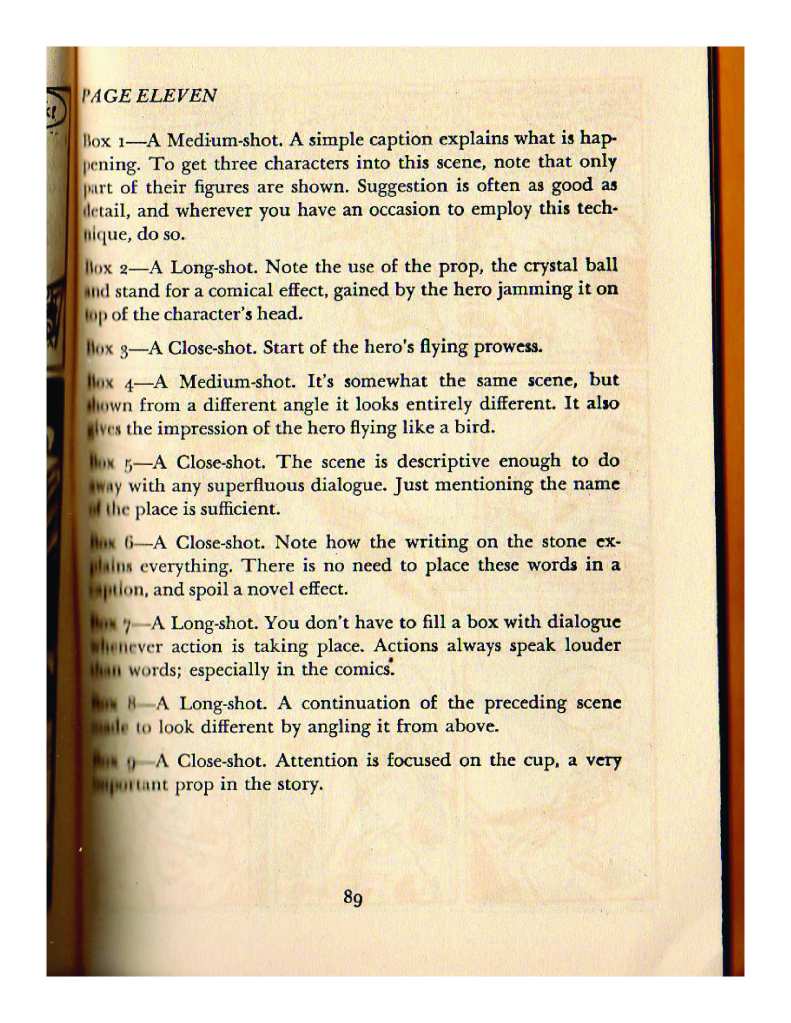
I have to say, a lot of this advice holds up well: Mixing different kinds of shots (close-up, medium, long) for variety, keeping the dialogue and narrative as terse as possible, using visual metaphors for complex concepts, etc. Love him or hate him (I do a bit of both), Kanigher knew his business.
LikeLike
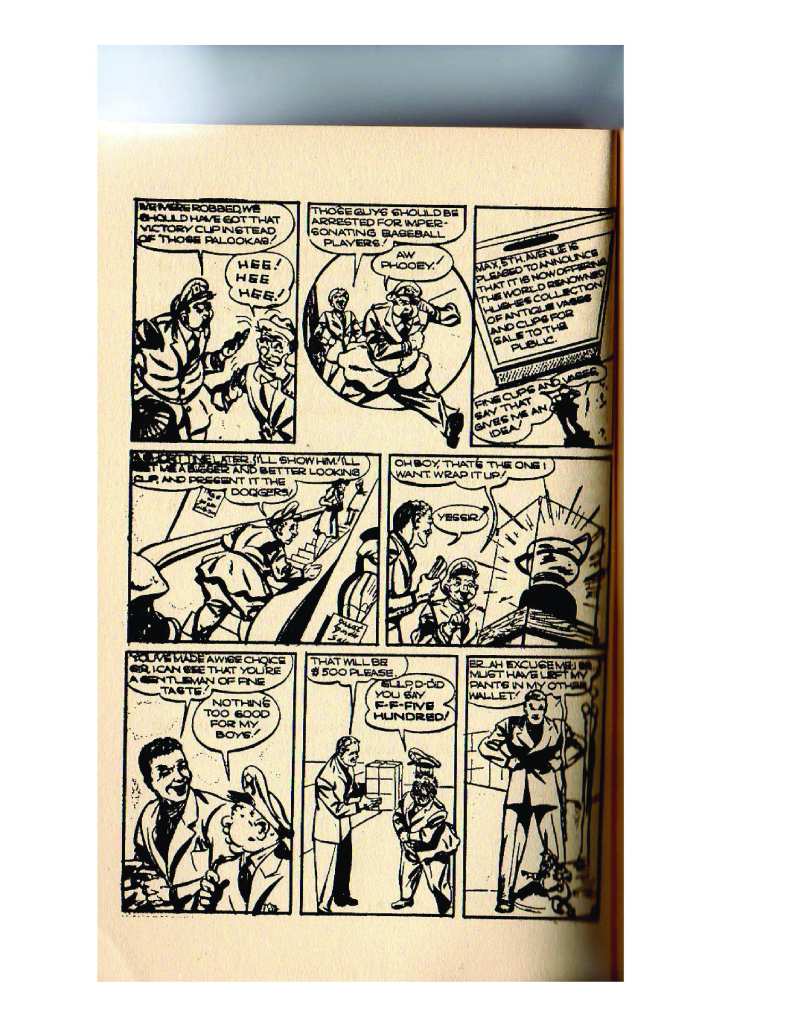
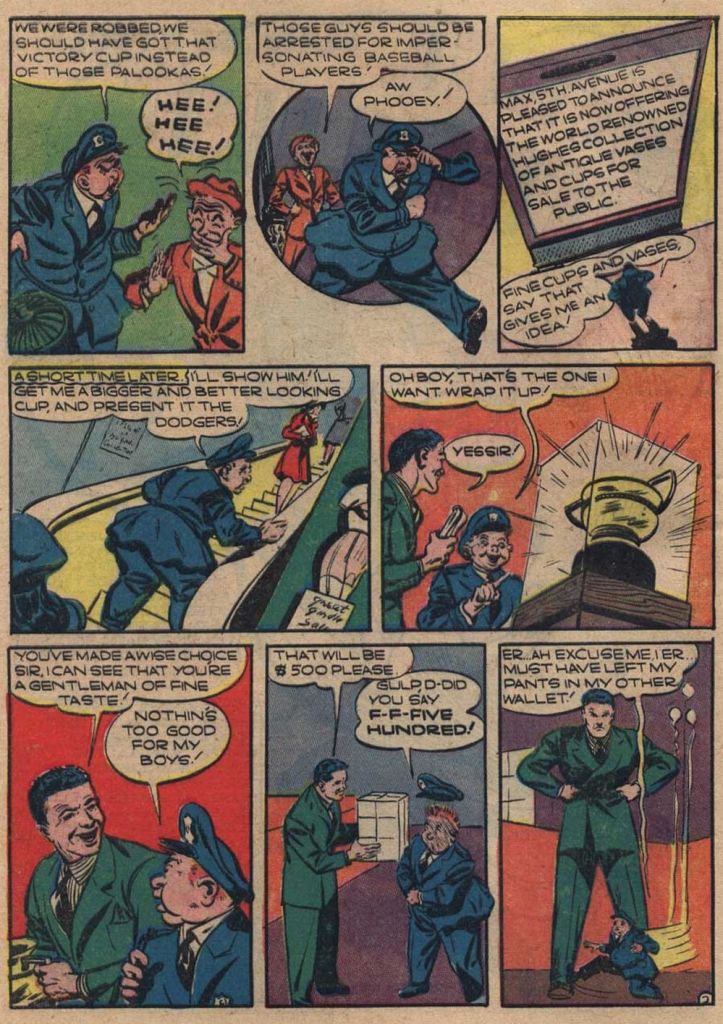
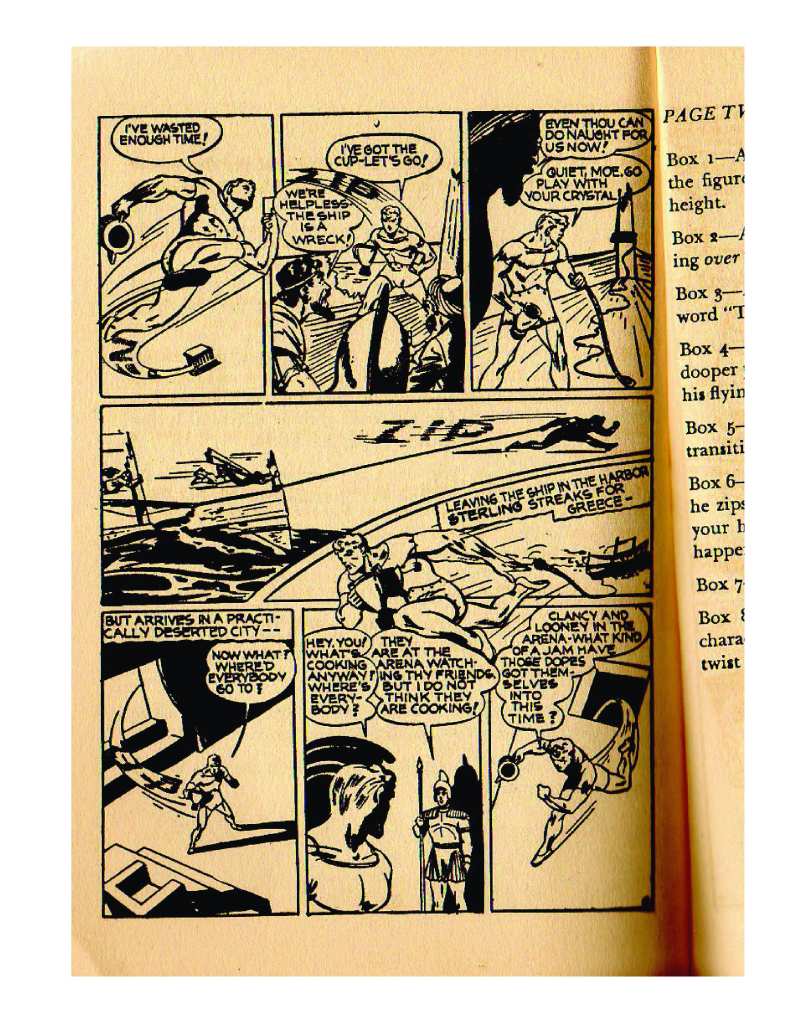
On page 2, he says panel 1 is a medium shot and panel 2 is a close shot. But panel 1 is a closer shot than panel 2.
Maybe he’s referencing his script, and Novick ignored that particular instruction.
LikeLike