

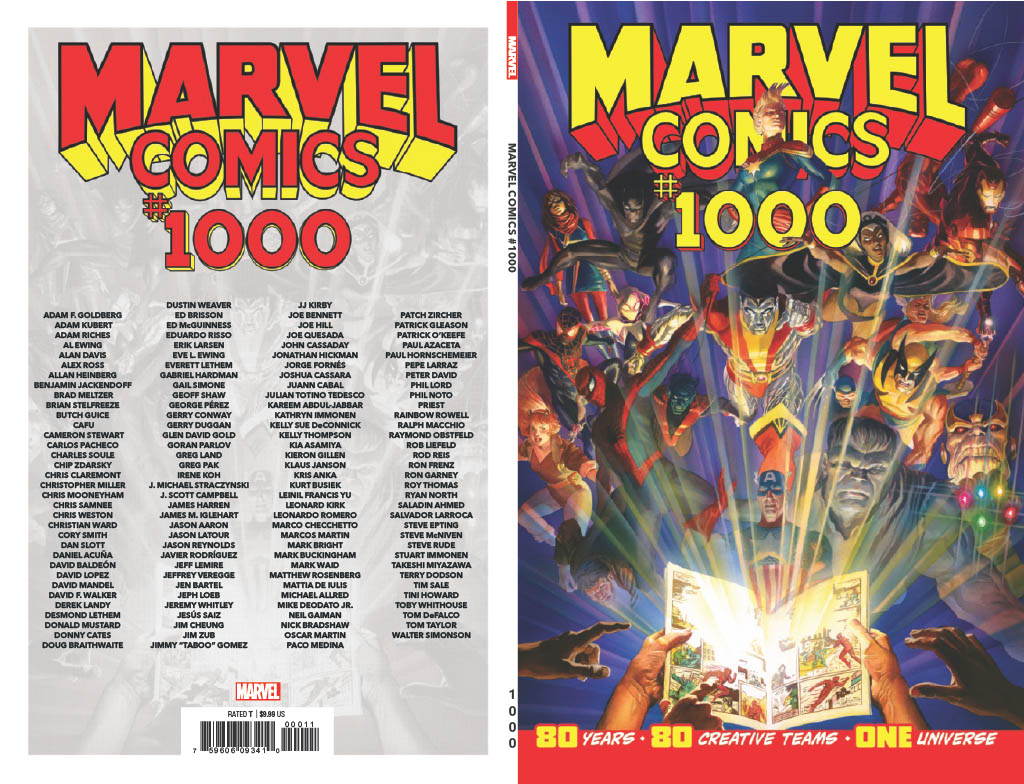
MARVEL COMICS #1000 was by far the most difficult editorial and coordination challenge that I’ve ever undertaken in my 35 years editing comics, and a book that I’m inordinately proud of. It was released in 2019 to commemorate the 80th anniversary of Marvel as a comic book publisher, and as such, it was designed from the get-go to be the most spectacular package that I was able to pull together. As my inspiration, I drew from my memories of SUPERMAN #400, editor Julie Schwartz’s never-equaled magnum opus about the Man of Steel. And while I don’t think MARVEL COMICS #1000 quite equaled it, I do think we came pretty close, so I’m satisfied with the result.
The idea of this book originated with the 80th Anniversary. DC had seen some success shortly before this with ACTION COMICS #1000 and DETECTIVE COMCS #1000, so it was a natural thing for our sales guys, in particular VP of Sales David Gabriel, to suggest that we do a MARVEL COMICS #1000 for the celebration. The not-quite-real rationale was the idea that, if MARVEL (MYSTERY) COMICS had kept on going after it ended in 1949, it would have been up to around #1000 by 2019. The math doesn’t really quite work out there, but that was the rationale at any rate. Beside that, nobody particularly had any specific concept or theme for the contents of the book.
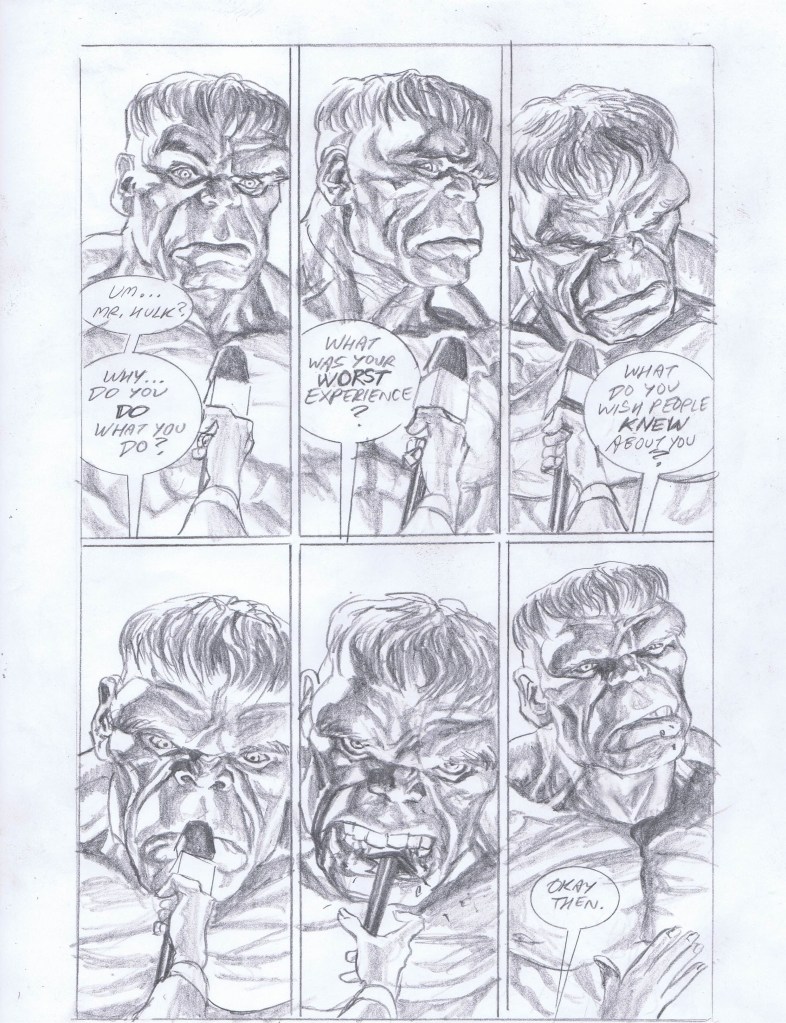
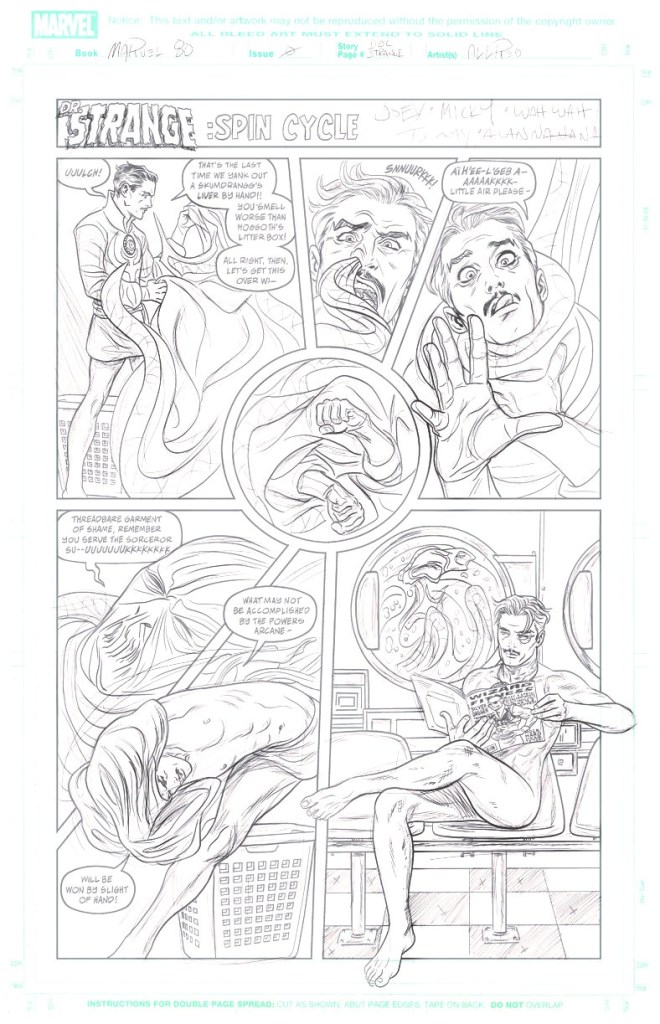
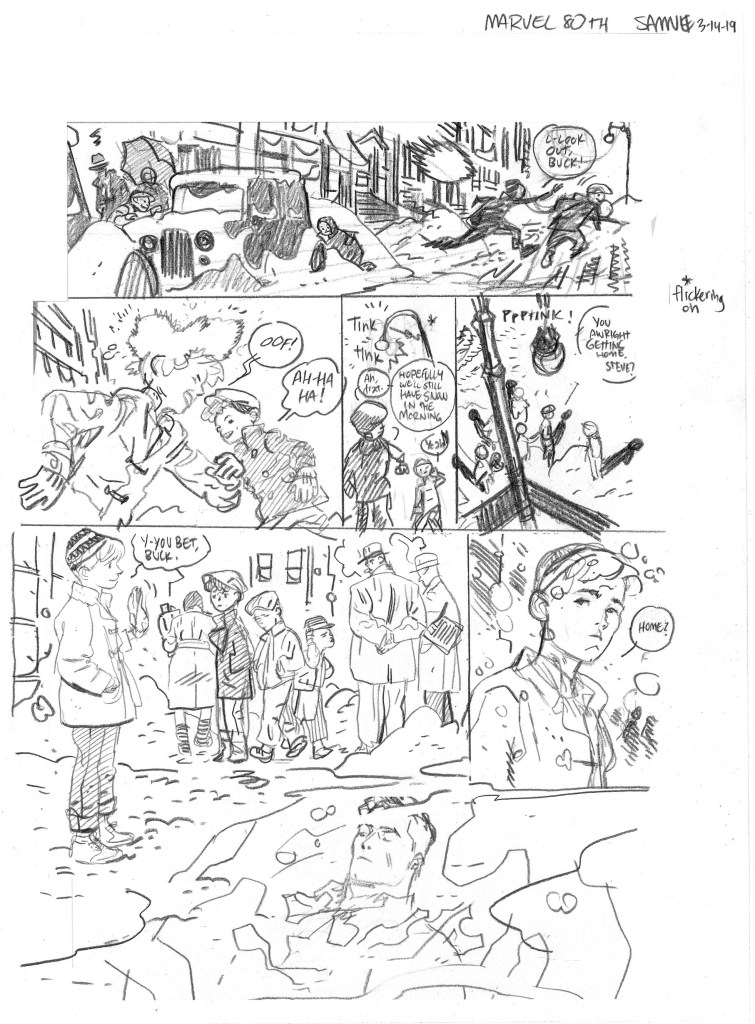
A short while before this, X-Editor Jordan D. White had put out the MERRY X-MEN Holiday Special which was set up like an advent calendar, in which each page was a single-page story by a different creative team, counting down the days until Christmas. I thought it was a really good approach to a book, but I also thought that I could push the concept even further than he had. I was also thinking about the issue of SUPERMAN ADVENTURES that Mark Millar had done that featured 22 stories about Superman. And so, I advocated for making MARVEL COMICS #1000 a true 80th Anniversary Celebration by having it contain 80 stories, each one by a different creative team made up of creators from throughout the firm’s history, and the biggest names we could get. My concept called for there to be a spine story to the book, but for most of the assorted entries to simply be single-pages devoted to whatever the creators wanted to do. As we talked about the idea, Joe Quesada suggested another approach. Inspired by confessional-style sitcoms, he suggested that each page be a character speaking with an unseen interviewer and answering some pointed question that would reveal insight into who and what that character was. The questions that the Hulk answers in his own way in the Alex Ross rough above were among the suggestion samples that were in the briefing letter that I sent to prospective contributors.
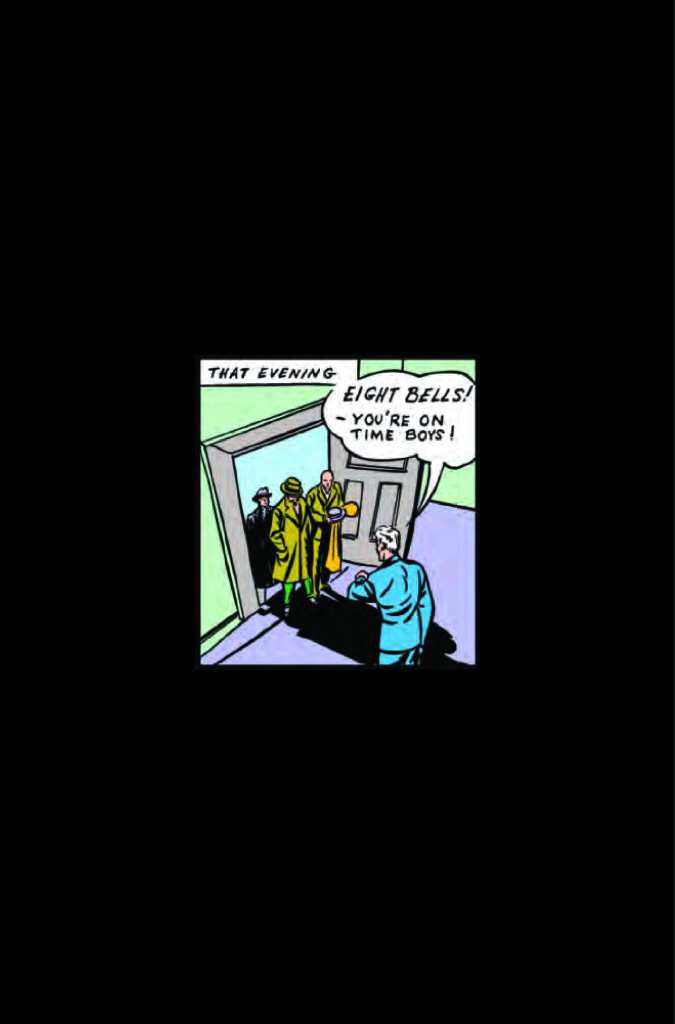
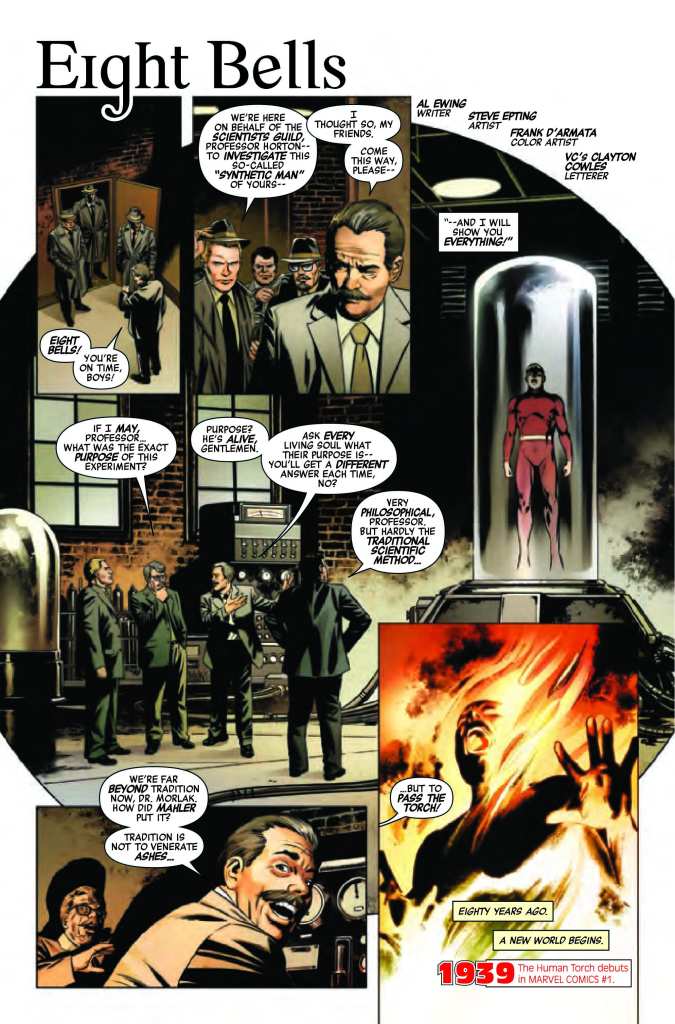
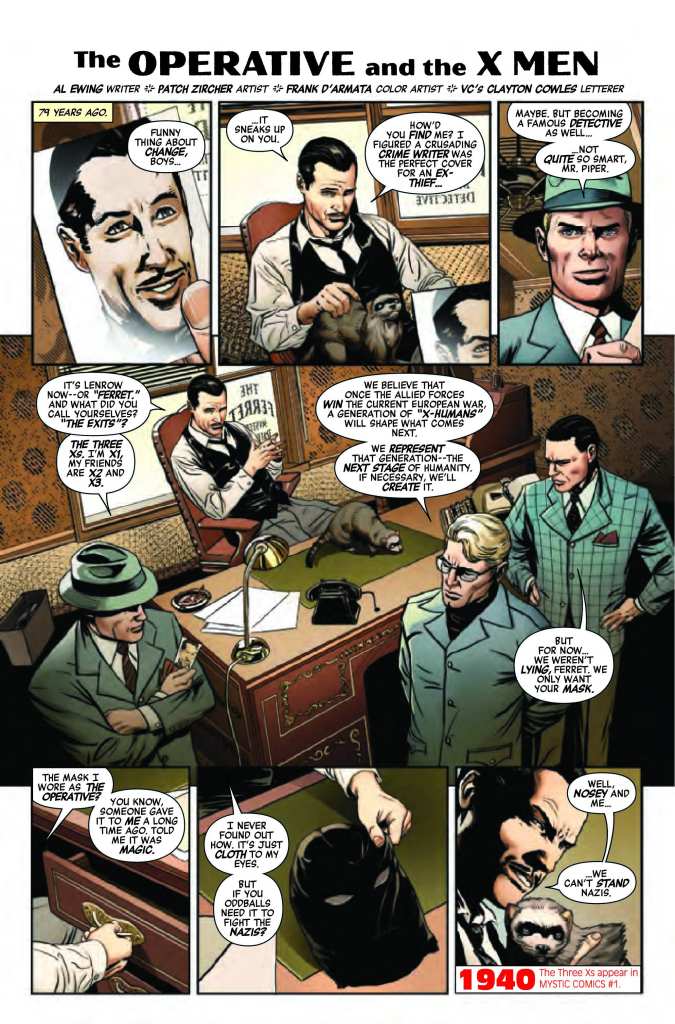
It took a little while for everybody to get on board with this concept, as it was obvious just how daunting a proposition this was all going to be, and how much work it would entail. But I pursued it relentlessly, and eventually got the green light to proceed. My very first reach-out was to writer Al Ewing. Al had proven himself adept at being able to construct interesting stories in and around difficult pre-conditions. He’d recently done a Deadpool series that was set up as a role-playing game–he had a mind for solving puzzles and making the result more than just the gimmick. After chewing on the assignment for a little bit, he agreed to take it on–which meant writing between 1/3 and 1/4 of the finished book, as those pages would represent the spine story, the events that made all of these single-pagers relevant to the here-and-now.
As this was to be MARVEL COMICS #1000, Al instantly wanted to tie things back to the original MARVEL COMICS #1, and he proposed that we use this story to introduce a new character to the Marvel Universe (introducing a new character was one of the other ideas floating around for this book) in the person of a new incarnation of the one golden age character who had appeared in MARVEL COMICS #1 and never been brought back: the Masked Raider. In doing so, Al would craft a mystery that ran throughout all 80 years of Marvel’s publishing time. He also cleverly built his first page to springboard off of a panel in the very first Human Torch story from MARVEL COMICS #1 by Carl Burgos, allowing us to use that panel as a sort of cold open. I loved that bit.
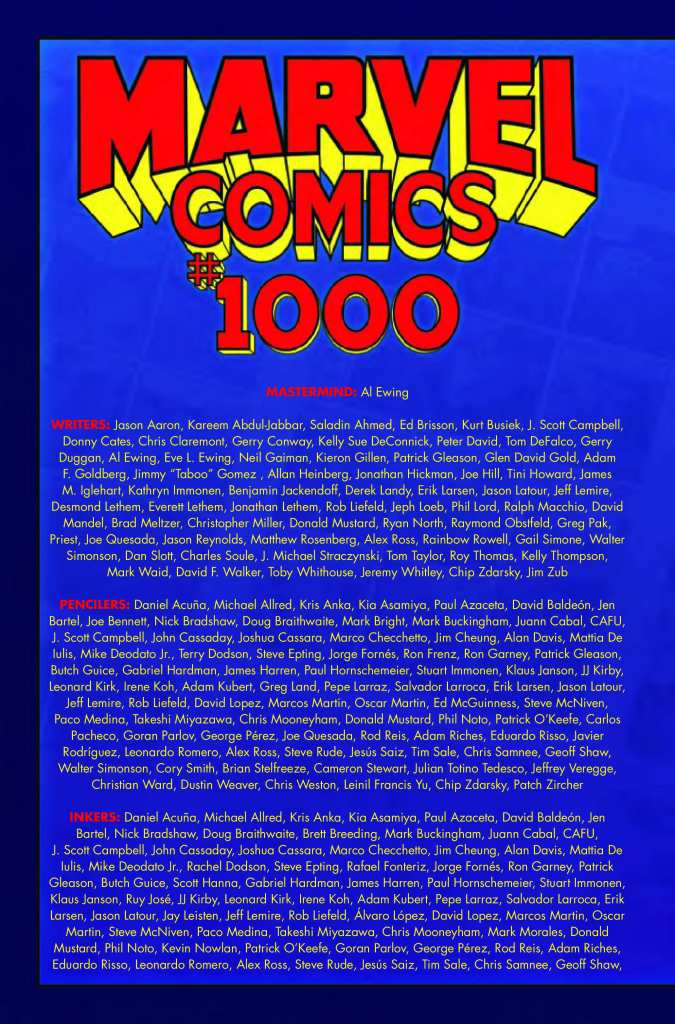
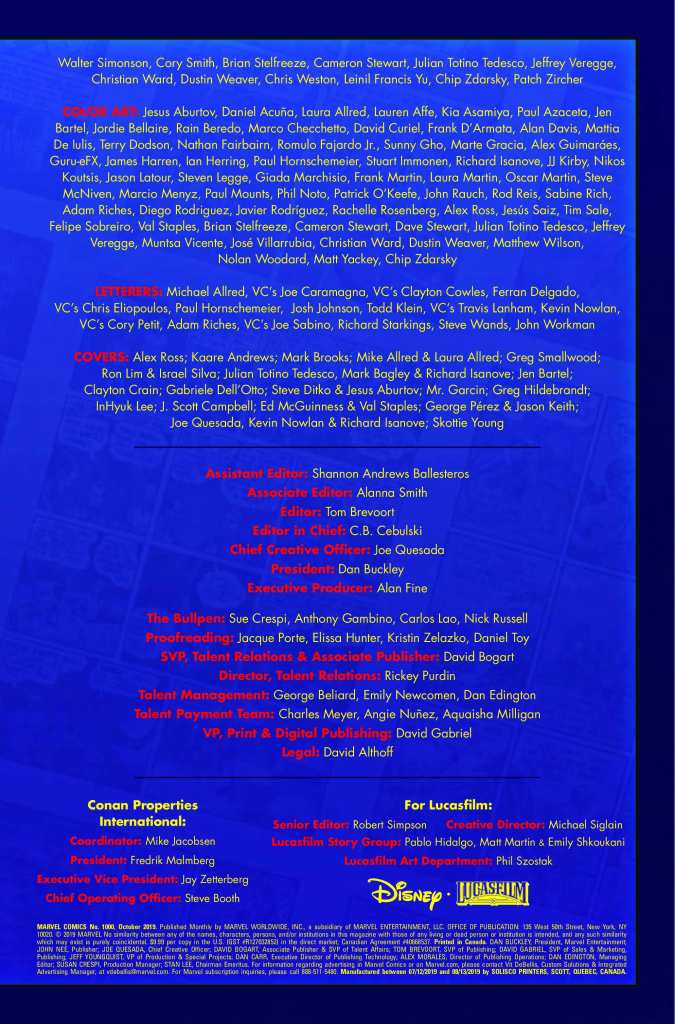
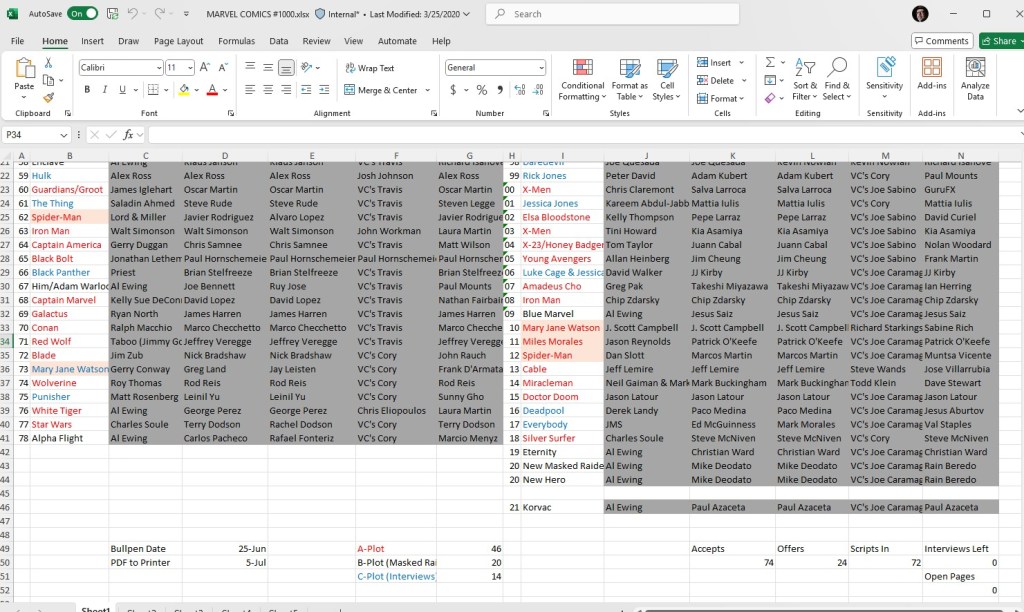
So Al went off and came back with an outline, not only for the pages that he was going to write, but suggestions for the entire book. To make matters more difficult for ourselves, we had decided to have the contents of each page in some way relate to a specific year in Marvel’s publishing history, whether by character inclusion or event. Al came back with suggestions for each year. While many of these weren’t used verbatim, because I wanted to assorted creators I was reaching out to to have the liberty to be able to do whatever stories they wanted to, a lot of them were. This all led to me creating a massive tracking list that contained each year, each page, the creators of that page, where it was in the production cycle, and a relevant factoid connecting the year to the subject matter in some form, in the manner of the old Pop-Up Videos. I wound up having to reshuffle and rework that chart dozens of times as specific assignments were locked in, to keep pages from featuring the same character from appearing next to one another, and to balance the entirety of the book.
From there, it became a hunting expedition, with everybody brainstorming key cool creators past and present who we might want to hit up for contributions to the book. It was an easy buy-in from the start, as each creator was only being asked to produce a single page, and we had decent lead time to start with. The tricky bit was that as the pages filled it, we had less and less room to maneuver in terms of shuffling the line-up further to accommodate a newcomer’s idea.
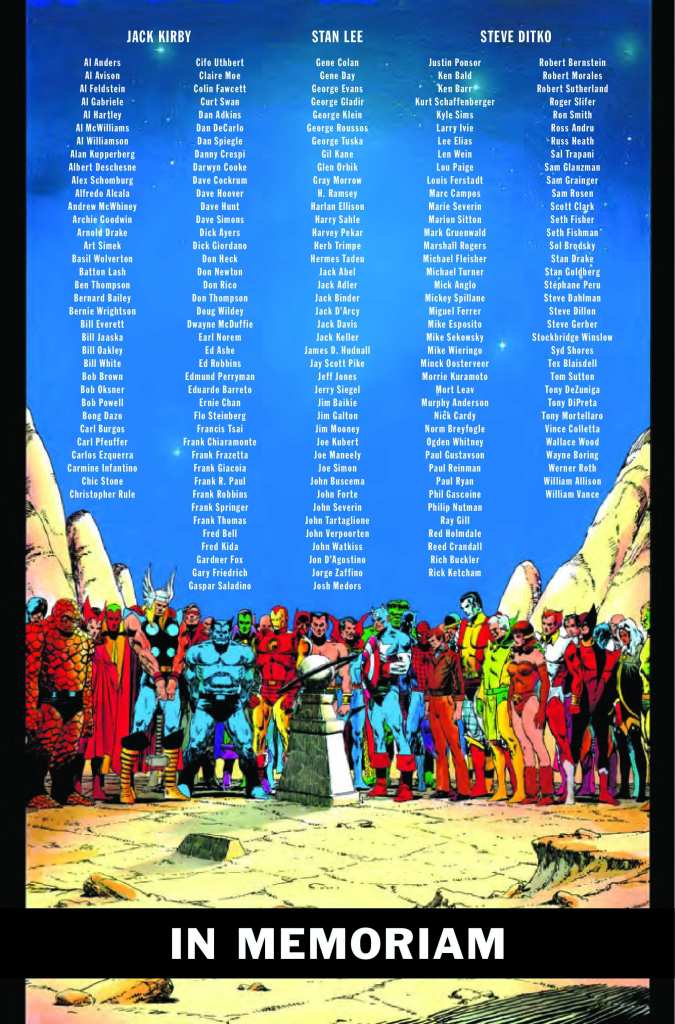
I also had the idea to do a special IN MEMORIAM page that would pay tribute to all of the assorted Marvel creators of the past who were no longer with us. We tried to be as comprehensive as we could, and did a decent job of it–but once the book was published, assorted fans excoriated us for having forgotten or overlooked their own favorites. A couple of years later, I revised and expanded this page and ran it again to include everybody that we’d missed the first time. And I used a Jim Starlin image from MARVEL GRAPHIC NOVEL #1 as the background art, which provided a bit of a contribution from Starlin, who was otherwise unrepresented in the book.
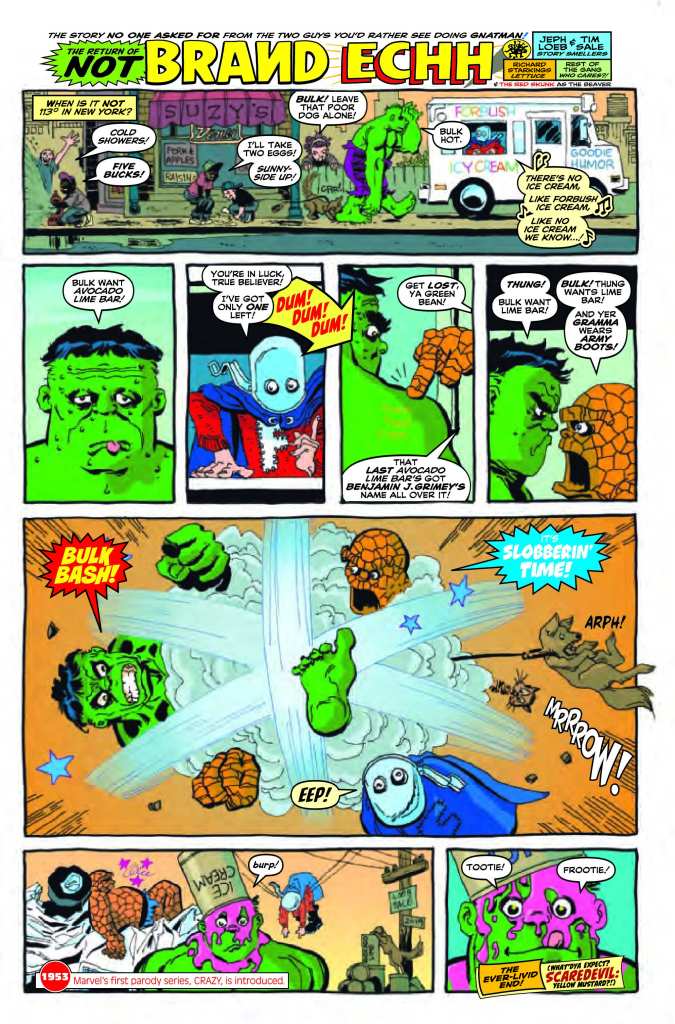
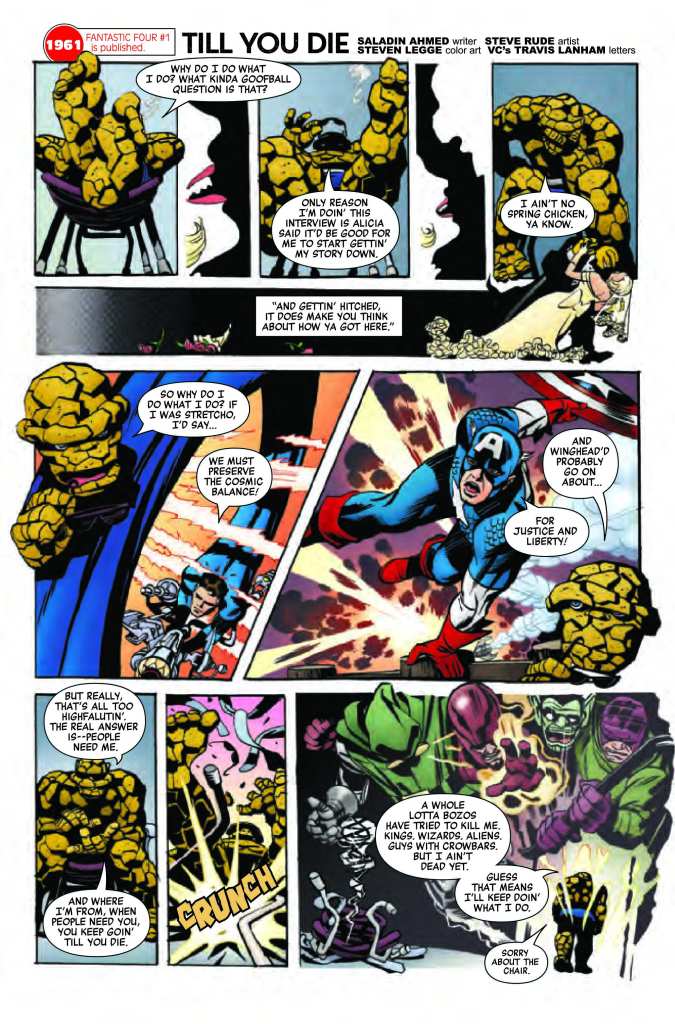
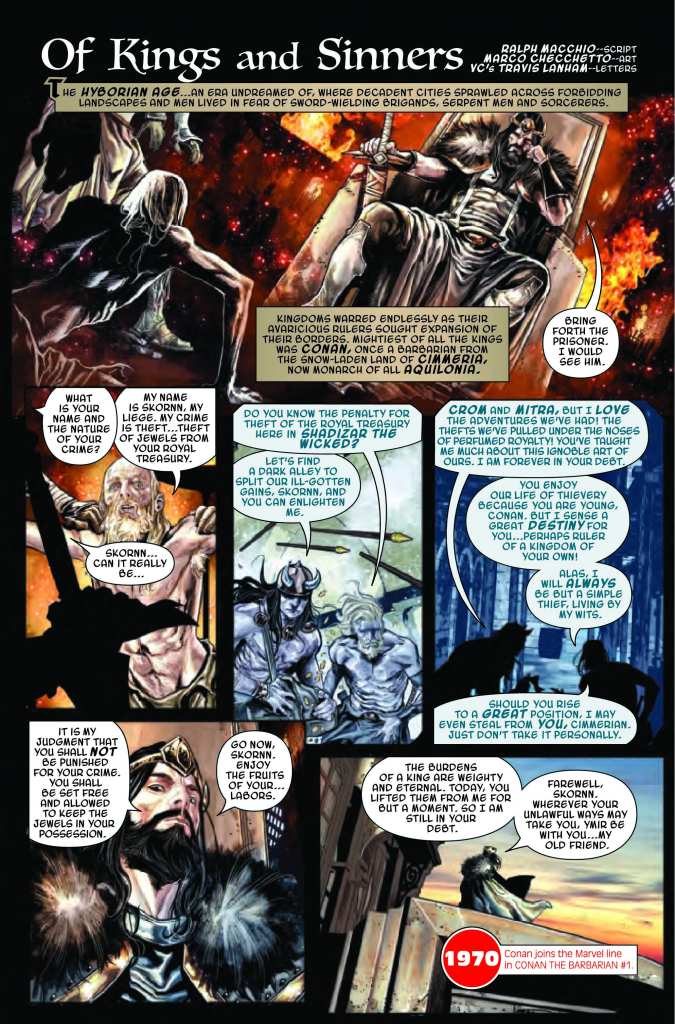
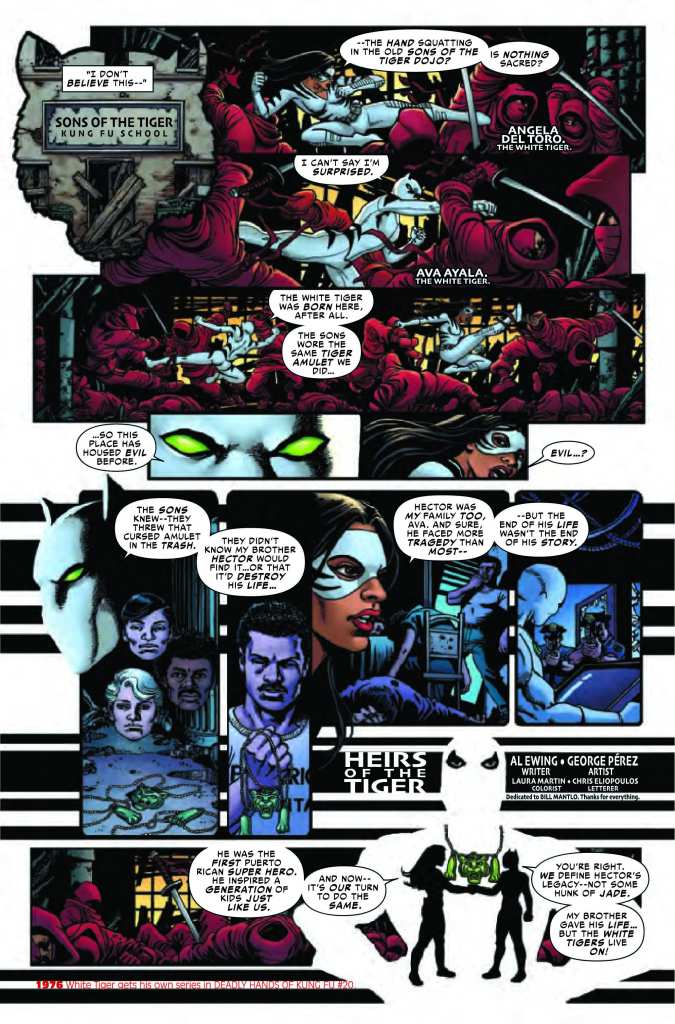
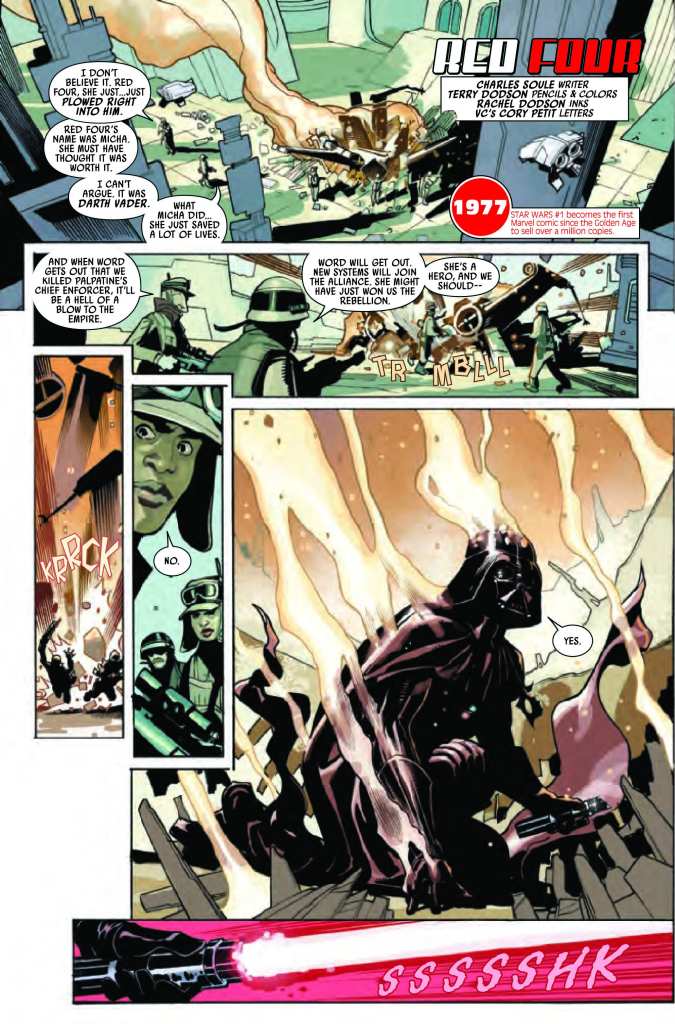
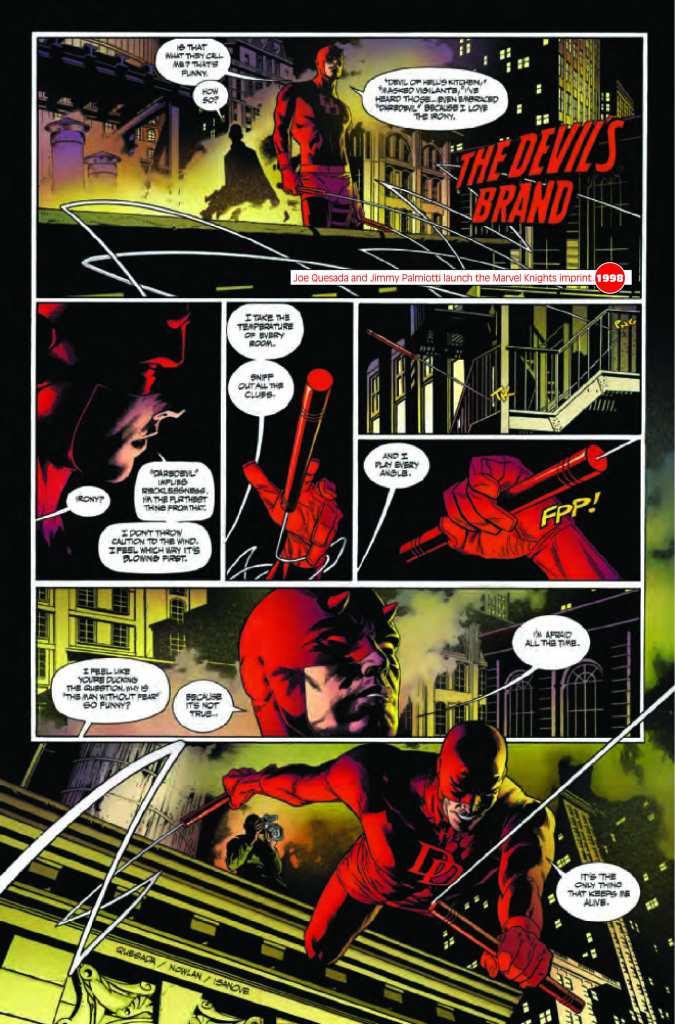
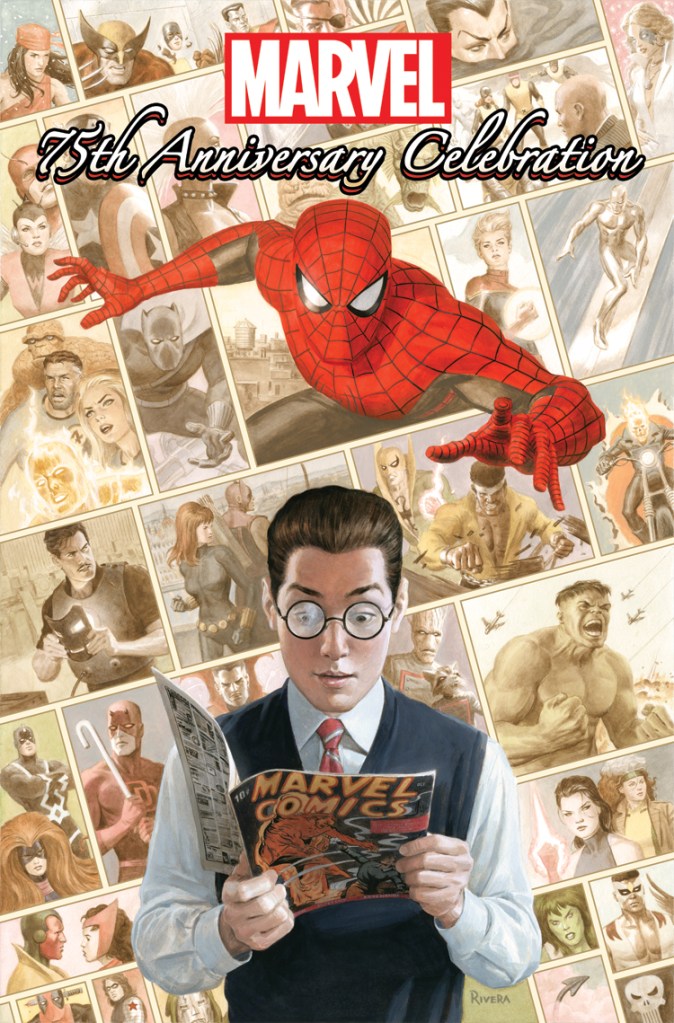
Among the first to respond–not just with a agreement to do a page but with the completed rough that you see a few paragraphs back–was Alex Ross, whom I also signed up to do the cover for the book. It was a bit of a tough assignment, especially given that I’d earlier done a similar cover for the MARVEL 75th ANNIVERSARY SPECIAL that was executed by Paolo Rivera. But Alex, of course, rose to the occasion, and not only conceived and executed the front cover image, but also created the rough version of the logo that we wound up using as well. We caught some fan flack for not featuring any of the Fantastic Four on this cover, but that was just a matter of luck-of-the-draw: Alex was trying to re-create images that he hadn’t previously done before, in order to keep the job fun and interesting for him.
George Perez announced his retirement from comics during the production of this book, and agreed to do his final Marvel page for me for inclusion in it. After floating a couple of ideas to George as to what his last page could be about, the one that he clicked with the most was one focusing on the White Tiger, a character George had co-created with Bill Mantlo when he was just starting out and whose Hispanic heritage was always something George was proud of. I once again reached out to Al Ewing to write this page, as Al has been using the modern White Tiger in his assorted AVENGERS projects for the previous couple of years.
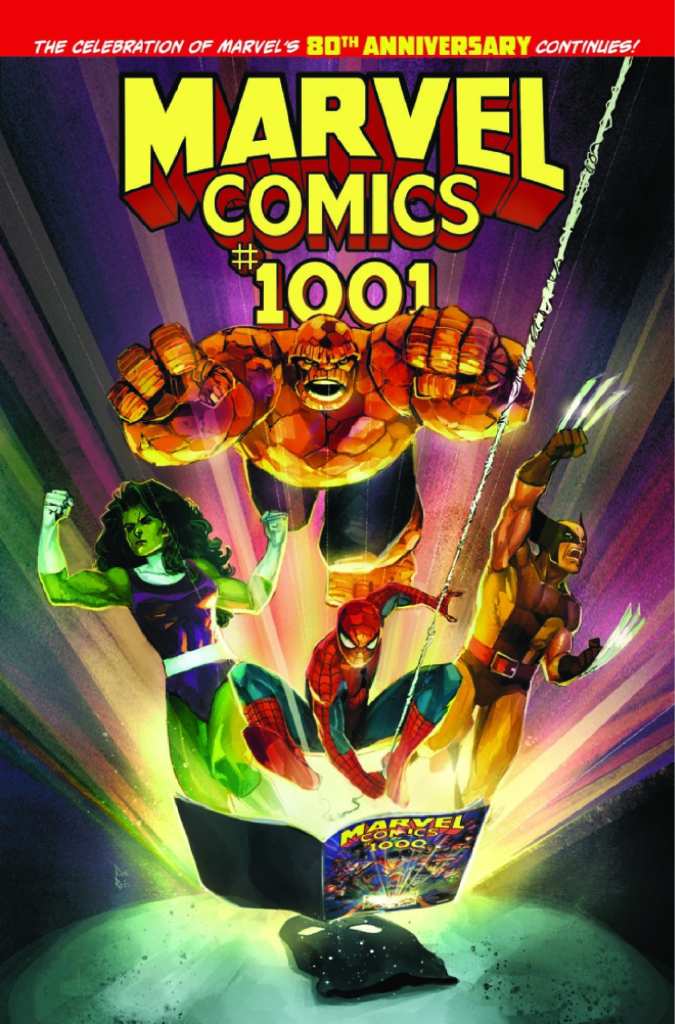
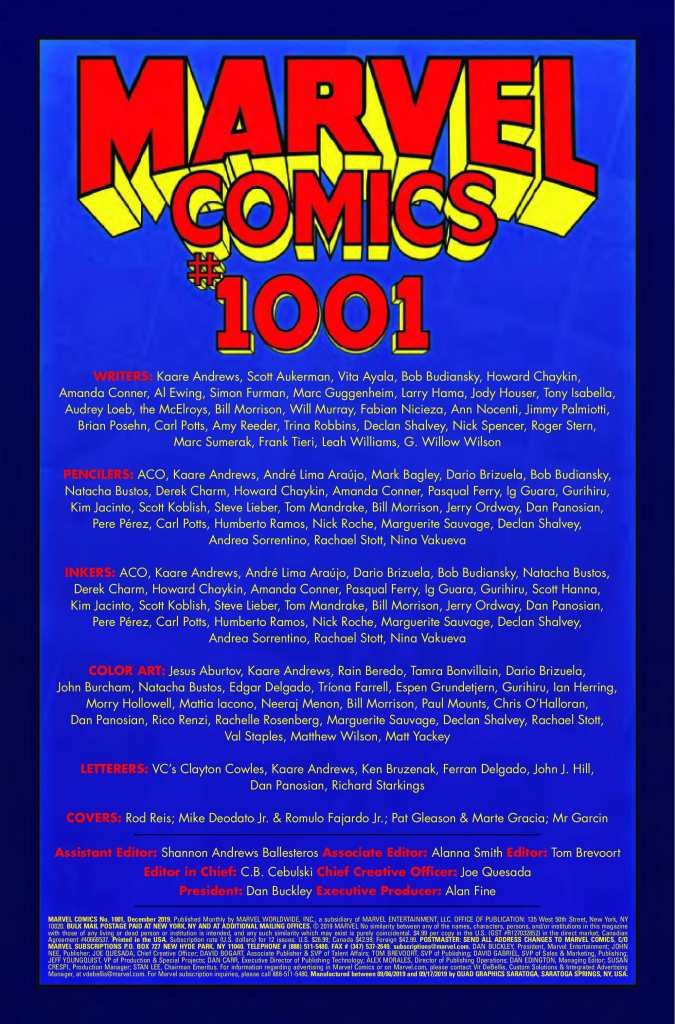
The book wound up being a murderer’s row of talent, even moreso after we announced it. At that point, despite the fact that all of the pages had been assigned (and more–I had to stretch things to 83 pages in order to fit everything in after a couple of last minute inclusions turned up), a ton of additional creators all showed up saying that they really wanted to participate as well. This led to us hastily adding MARVEL COMICS #1001 to the schedule, which gave us an additional 30 pages to play with to accommodate the overflow. Al again contributed an opening and closing page that tied it in to the growing mystery of the Masked Raider, and the book was included in the eventual hardcover release of the material.
So who didn’t we get? A whole bunch of people were unable to contribute for one reason or another. The biggest failure for me was Jim Shooter. Jim had agreed to do a page after an initial conversation–he wanted to do a Doctor Doom story with Jim Starlin, which would have been awesome–but he didn’t like the rates we were paying and so walked away. Had I known at that moment that this was happening, I would have offered to pay him whatever balance he thought was fair out of my own pocked. A missed opportunity for sure. Beyond that, there were others like Brian Michael Bendis and Mark Millar who were under contract to other companies and who couldn’t secure an exception that would let them play too. A few others were simply daunted by the idea: EIC C.B. Cebulski sat down with actor Clark Gregg to pitch him on doing a page, but while Gregg is an accomplished writer, he felt stymied by the one-page length and had other commitments on his time, and so declined. That all said, I feel like it’s best to look at all of the incredible talent that we did manage to get. It isn’t quite at Julie Schwartz level, but it comes damn close.
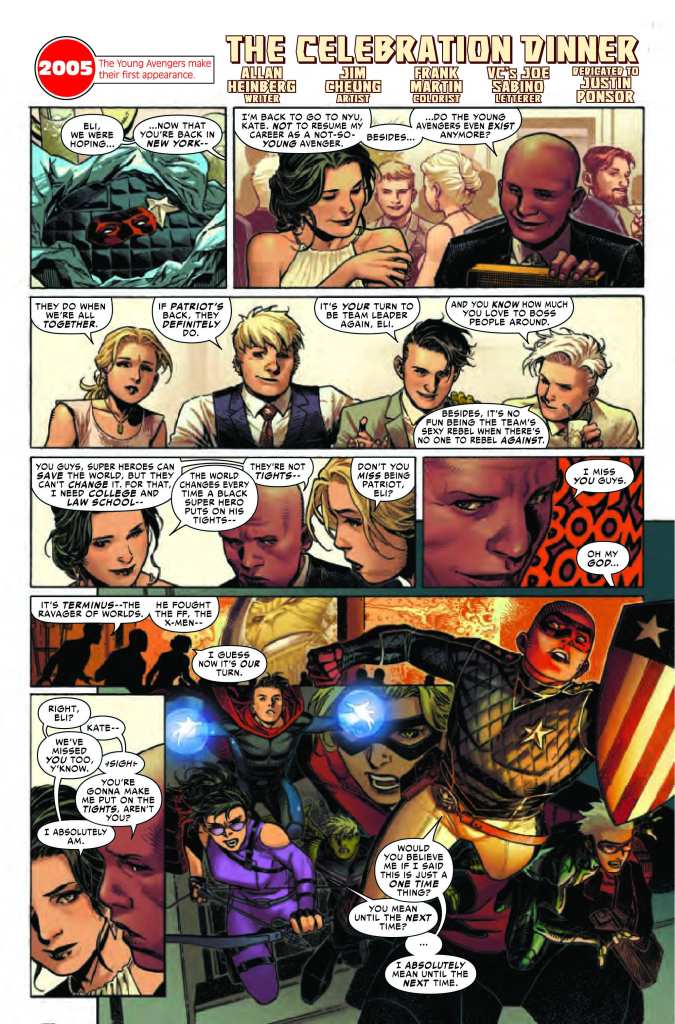
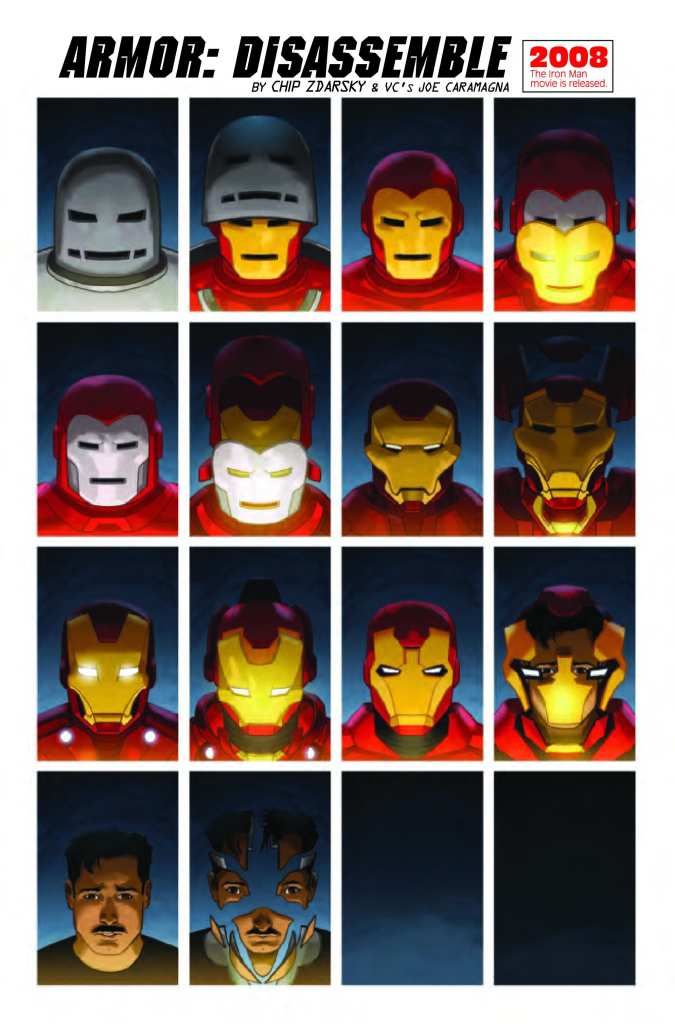
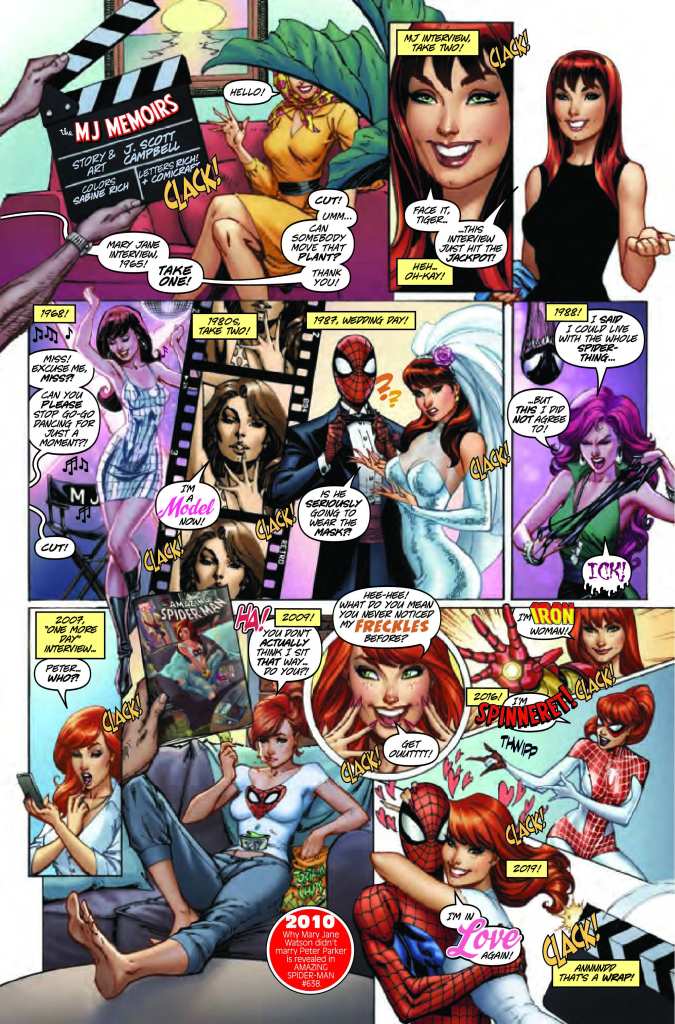
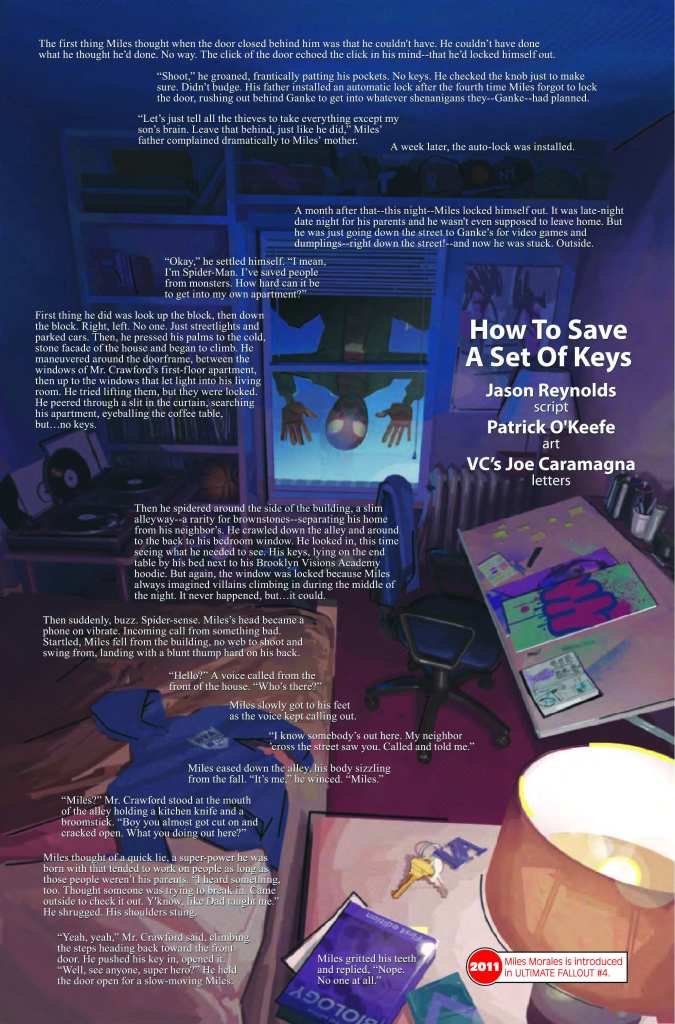
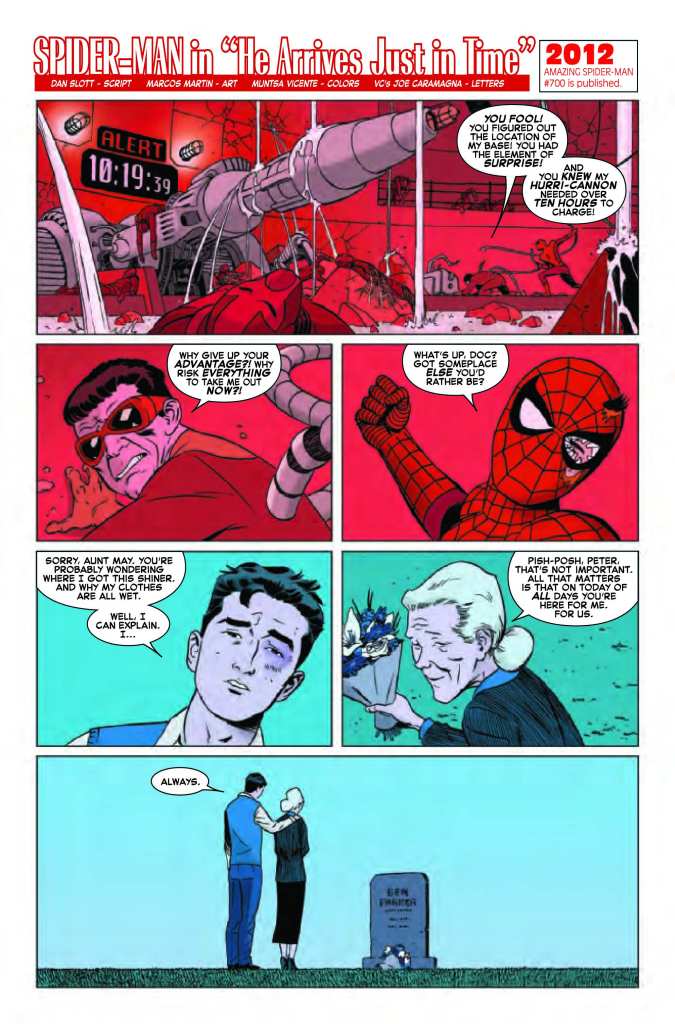
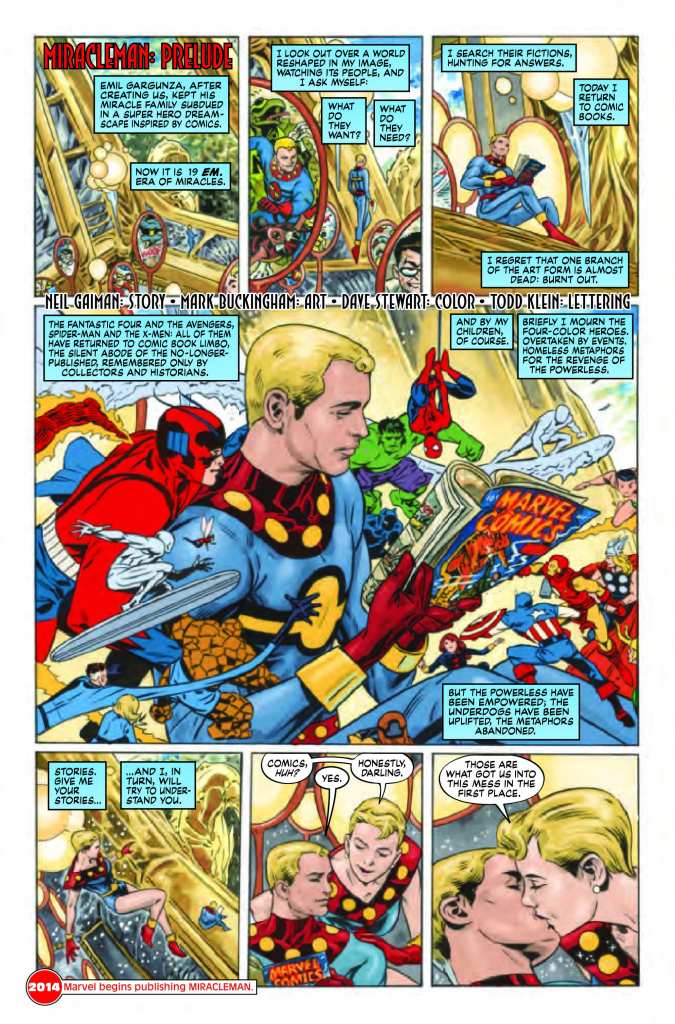
Because this was such an important company initiative, we were also able to negotiate contributions featuring key licensed properties that were crucial to Marvel’s history, including Conan and Star Wars. And knowing that THE SILVER AGE was nearing publication, we could also go to Neil Gaiman and Mark Buckingham for a Miracleman page.
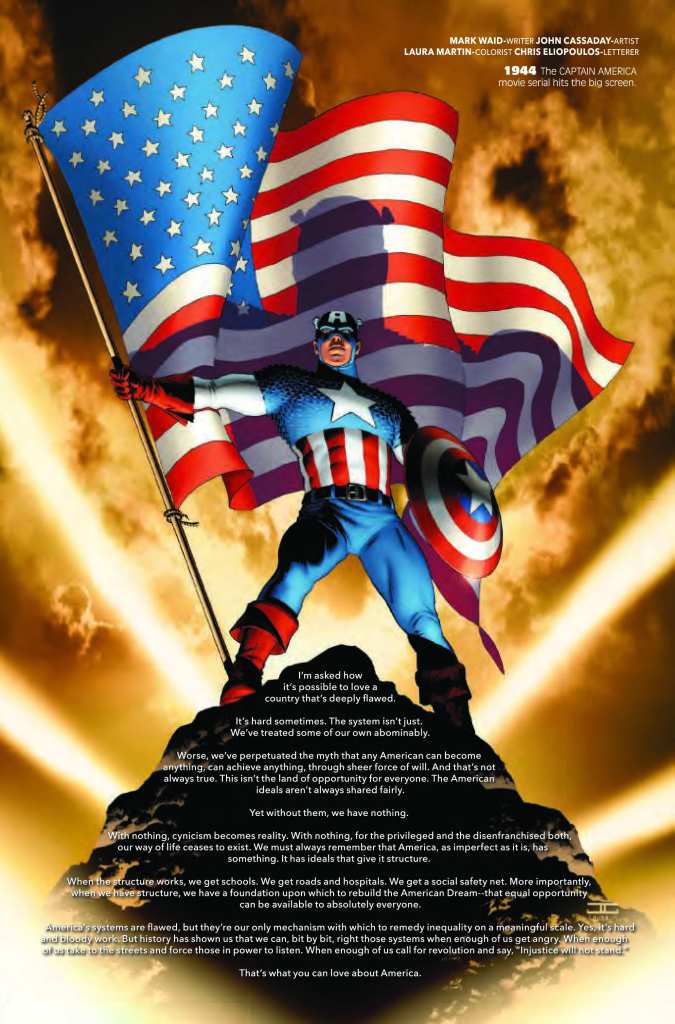
There was also one page that we ran into some last-minute difficulties on. After the book was off to press, but before it had been printed, some concern was raised about the content of the page below. Time was in such short supply that I had to call writer Mark Waid and ask him as a personal favor to momentarily put aside any anger or upset that he had about the situation and just get me a less pointed version that could immediately be lettered and swapped in. A total pro, Mark did just that.
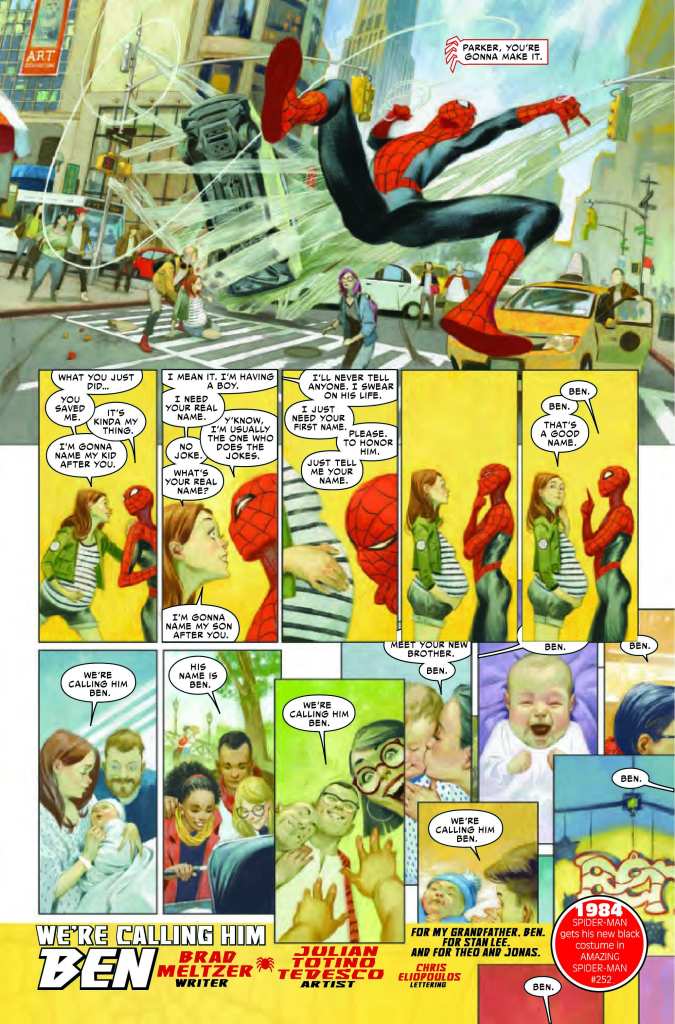
So what’s the best page in the book? That was a question I put to both the Marvel staff and to social media after the issue had been released. And while a number of pages came to the forefront, there was one that topped both lists. It was the one below, by writer Brad Meltzer and artist Julian Totino Tedesco. I’d been trying to get Brad to do something for Marvel for literally years, and so this felt like a bit of a small triumph on my part.
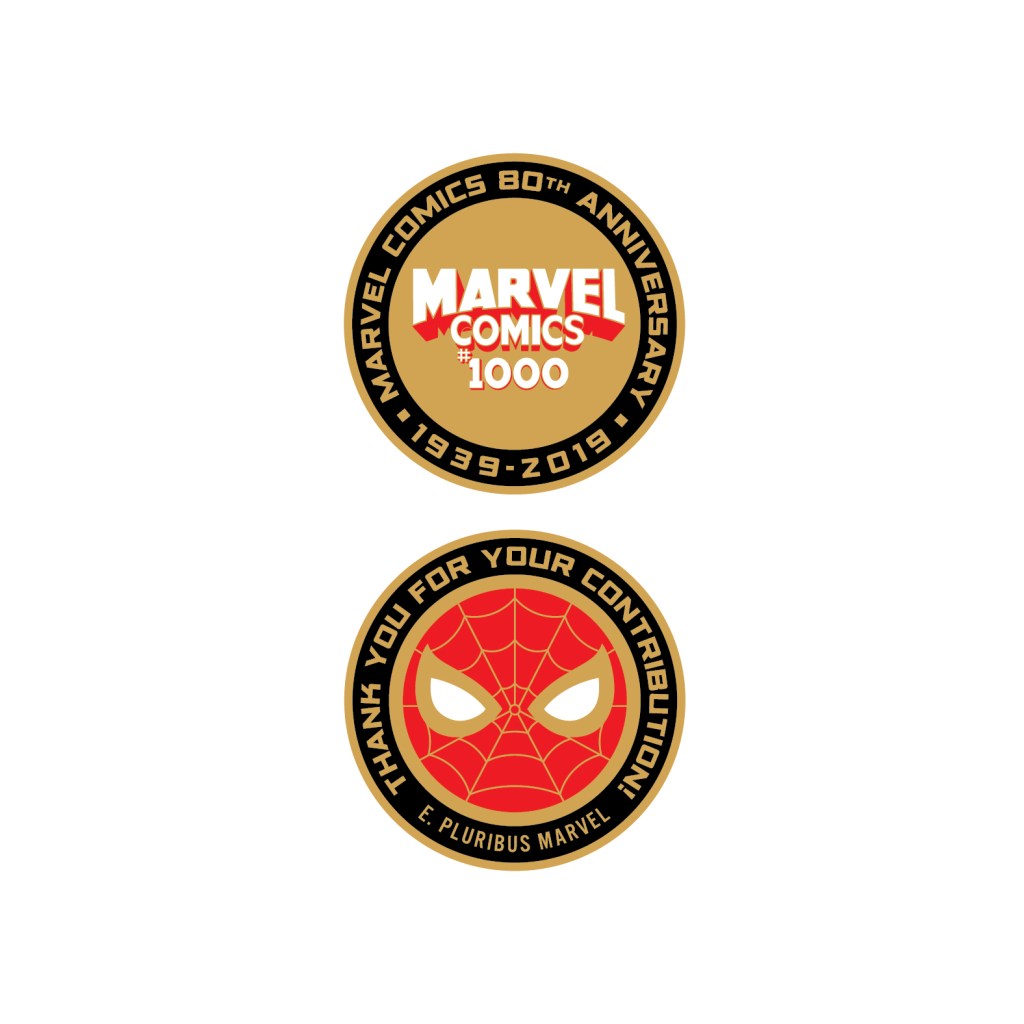
As a special thank you to all of the contributors, C.B. Cebulski and I underwrote the cost to produce a limited run of a special commemorative challenge coin to mark the occasions. One was sent to every person who worked on the issue along with a letter of gratitude. I still have a small bag of the remaining coins, as we wound up having to produce more of them than we wound up needing. So if you ever see one of these out in the wild, know that it’s a rare bit of Marvel memorabilia not generally available to the public.
 The Tom Brevoort Experience
Loved “RED FOUR” by Charles Soule.
I bought the Alex Ross cover, blank sketch cover, and Mark Buckingham Second Print.
The challenge coin is FUNTASTIC !! A great tradition to celebrate accomplishments and contributions… I got a fair share of them during my 24-year military service.
LikeLiked by 1 person
great behind the scenes look at this issue. It was really good – in a way that can be challenging for anthology works.
LikeLiked by 1 person
Too bad nothing has ever been done with the Masked Raider.
LikeLiked by 1 person
The Masked Raider had a major role in the 2021 Defenders mini-series https://www.marvel.com/comics/series/29643/defenders_2021
LikeLiked by 2 people
This series slipped by me completely! I’ll have to give it a look.
LikeLiked by 1 person
Well, I’m happy for you Tom that this is your Personal Best but this issue was ruined for me Timely Comics’ 3Xs [ Mystic Comics#1 ( March 1940 ) 1X, 2X, 3X ] & the Scientists Guild members [ Marvel Comics#1 ( October 1939 ) — workers in that Torch story could have been those 3 Enclave members so that Electro & 1 Flexo creator could be identified as the Scientists’ Guild members they resemble ( Cause they would have been had this been a real world story ) & the other 2 a Smythe & Broadhurst ] being turned into The Enclave members do to lazy writing: Sub-Mariner Comics#2 ( Summer 1941 ) Angel story was reprinted in Marvel Masterworks: Golden Age Sub-Mariner#1 ( June 2005 ) and there are plenty of scientists ( kidnapped by The Python ) seen and in shadow that could have been identified as them ( as well as Dr. Myron MacLain ( creator of Adamantium ) & Professor Carson [ The Invaders vol.2#2 ( June 1993 ) ] ). Mystery Men ( The Operative, The Surgeon, The Revenant, Achilles & The Aviatrix ) [ Mystery Men#1-5 ( August- November 2011 ) ], Secret Invaders ( Soldier Supreme, Blade, Ghost Riders of Tank 666 & War-Thing ) [ Avengers Vol.8#50 ( December 2021 ) ] & Hellhunters ( Ghost Rider’44, Wolverine, Nick Fury, Peggy Carter & Bucky Barnes ) — ROLES THAT OFFICIAL & UNOFFICIAL TIMELY COMICS CHARACTERS COULD HAVE FILLED ( 3Xs, Ferret, Angel, Sun Girl & a number of other Timely Heroes pre-date their first comic book appearance just like Marvel’s Doctor Strange which was why he was used in Marvel: The Lost Generation series ). Plenty of named and unnamed that can be turned into Heroes & Villains the Marvel Way ( Carol Danvers to Ms. Marvel, Patsy Walker to Hellcat, Bill Foster to Black Goliath and Buzz Baxter to Mad-Dog ). TIMELY COMICS has a Lara Croft ( a tomb raider ) in Jane Framan [ Marvel Mystery Comics#2 ( December 1939 ) Angel story “The Treasure of Alano” ] — sure her name is no Lara Croft which is why I like Betty Ross’ friend Marina Bates [ Captain America Comics#8 ( November 1941 ) 1st story -“The Strange Mystery of the Ruby of the Nile and its Heritage of Horror” — Sgt. Duffy, Bates ( her father death ), Parker ( death ), Biggs ( the butler ) vs. Ra the Avenger ( Henry Sanders ) — Ruby of the Nile ( removed from a statue of Ra — so why not give it the alternate name of the Ruby of Ra with power to go with it ( In the JSA’s first appearance the Hammer of Thor that Hawkman used didn’t have powers until Roy Thomas gave it powers in the All-Star Squadron series when Thor the Villain from Valhalla ( Fairytales Fenton ) was used ].
LikeLike
In [ Marvel Comics#1 ( October 1939 ) ] I meant the 3rd unnamed scientist could be a Smythe or Broadhurst ( Cause the Li’l Professor ( creator of Rudy the Robot – Daring Mystery Comics#8 ( January 1942 ) ) needs a last name and being related to either of Marvel’s robot makers a Smythe ( of the Spider-Slayers fame ) or Broadhurst ( of X-Series robots that Machine Man is the last known survivor ). Also since neither the Li’l Professor or Dynamic Man’s creator Professor Goettler resemble the 3rd Scientists’ Guild member it should one of those 2.
LikeLike
Oy. All that fabulous visual art. All the huge efforts that went into that issue. And it’s “ruined” by obscure trivia? Come, on John. Were you joking? Otherwise, your complaint seems petty, compared to everything good about this anniversary book.
LikeLiked by 1 person
THE THERE ARE THE MISTAKES: Masked Raider’s mask has a slit for the mouth, The Operative’s mask ( it doesn’t have 2 eye holes. It looks like someone cut around safety googles to create the opening for the eyes ) looks nothing like the Masked Raider’s or Blind Justice ( whose mask covers his eyes and in blue like his cape ) and then there is The Thunderer ( Jerry Carstairs ) being dead ( 63 years ago from this issue’s date ) in the past when he was very much alive and an old man in Captain America#442 ( August 1995 ) with other Golden Age and aged heroes ( Captain Terror & Black Marvel identified themselves too ). Plus the Masked Raider’s named should have been used during WW2 in a modern Marvel Comic and not wasted on a Nazi posing as a radio pulp hero version in Midnight Sons Unlimited#9 ( May 1995 ) Blazing Skull story or on an Enclave member ( I would rather Hamilton be identified as Adam Warlock so that we can get the more powerful HIM back — Him absorbed Hamilton’s mind and that is who is really the Magus ). The Marvels Project did a similar screw-up when the killed off the Ferret who was very much alive in 1941 in Marvel Mystery Comics 70th Anniversary Special#1 ( July 2009 ). Plus the Eric Balfour/Adam Driver looking Ferret looks nothing like the pretty boy Errol Flynn/Timothy Dalton ( His Rocketeer film Errol Flynn like character ) looking Operative.
LikeLike
Astounding. A tale to astonish. I have this issue somewhere. “Eye-popping” doesn’t do it justice. I think it surpasses “Superman” # 400.
The “In Memoriam” was respectful. What a roster of legends. I’d no idea brilliant colorist Justin Ponsor passed away. I loved his work. I just figured he stopped working in comics for any number of reasons.
J. Scott Campbell’s MJ page was fun. Kevin Nowlan proves again that his inking magic over Joe Q’s drawing is a highly formidable combination. STEVE RUDE! (‘Nuff said!) The great George Perez able to work on a personal choice in his last new work for Marvel.
Cool to see artists color their own work. And then so many great colorists. I was a little surprised not to see Dean White or Dan Brown in either book. These guys were crucial to Marvel’s peaks in the 2000’s 1st decade.
Tremendous work.
LikeLiked by 1 person
Tim it might be petty but the lazy writers act like it isn’t the information age and that they can’t look things up. Plus wasting the 3Xs & the Scientists’ Guild on the Enclave is like we are back in the 1960s & 1970s again with lets bring the Original Human Torch, Toro, Red Raven & Atlas Age Marvel Boy back but as bad guys and kill them off instead of using Villains from that time period ( or in DC Comics case Sargon the Sorcerer who they brought back as a villain ). If Modern Marvel writers want characters to turn into villains then use every Alpha Flight member created after John Byrne abandoned the series ( Purple Girl is redundant since Byrne gave mind control powers to both Snowbird & Talisman ) and I have no love for any of the others.
LikeLiked by 1 person
I just don’t feel you on this one John. I got other things to worry about, and to celebrate or at least appreciate these books for.
It’s a hefty achievement, a Herculean task (was Herc even in these books? 😉) to put 110 pages (total, both books) together with all of that varied talent. All that planning, co-ordination, and then mire adjustments on the fly.
The pages look tremendous. Some of the very best pros of the last 25 to 45 years. And you found ONE flaw. It’s just not worth it to me to discount everything else I think is great.
I admire your thoroughness. But sometimes you gotta weigh it all. And jet some sh*t go.
LikeLiked by 1 person
*Iet 😅🙏
LikeLike
I know there were variant covers, and as you mentioned, the pages were full, but I would have LOVED a “Marvel Comics over the years” gallery of past “back issues” before #1000, ideally with era-appropriate trade dresses. Thinking about the classic Bongo “Radioactive Man” series for inspiration. What would issue #750 have looked like in the 90s, for example? Or the milestone 200 that it hit before Journey into Mystery/Thor was able to? Would the title have remained “Marvel Tales?”
LikeLike
Why wasn’t Steranko involved, or Neal Adams (had he died by then?).
LikeLike