

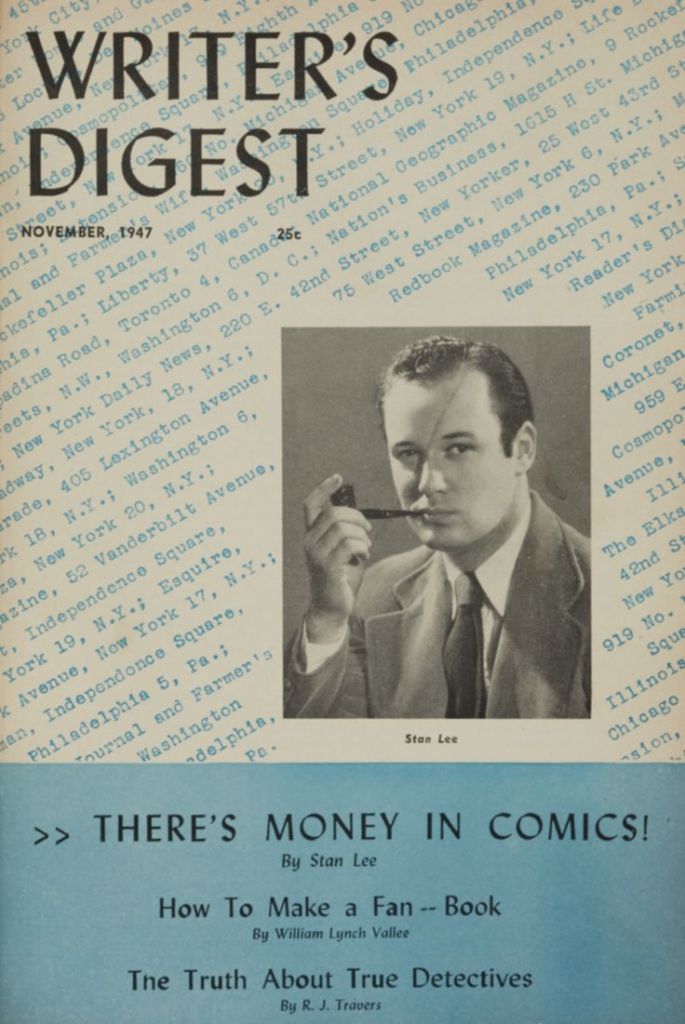
In 1947, Stan Lee had been working for Timely Comics for pretty much his entire adult life, beginning in 1940. He had gone off to war, married, and was now ready to spread his wings and attempt some other ventures. By that same token, Stan also had overhead–a new wife to support–and so he wasn’t in any rush to leave his steady paycheck behind. So he wound up trying out assorted different side-hustles to bring in some additional scratch. One of the things he was able to leverage was his position as the editor of Timely Comics, and so he turned his particular expertise into a small revenue source a few times in 1947.

He produced a black and white hundred page pamphlet titled SECRETS BEHIND THE COMICS, selling it for a dollar a copy out of his apartment to anyone who might be either curious about what went into the production of a comic magazine or who might have aspirations about entering the field themselves. We looked at that entire publication in great detail a few years ago, starting here:
But beyond that, Stan also penned this article that saw print in WRITER’S DIGEST MAGAZINE’s November 1947 issue, numbered Volume 27, #12. It’s a concise summary of how a comic book is put together and what the various editors and publishers are looking for. And presumably, it brought Stan another small per-word fee.
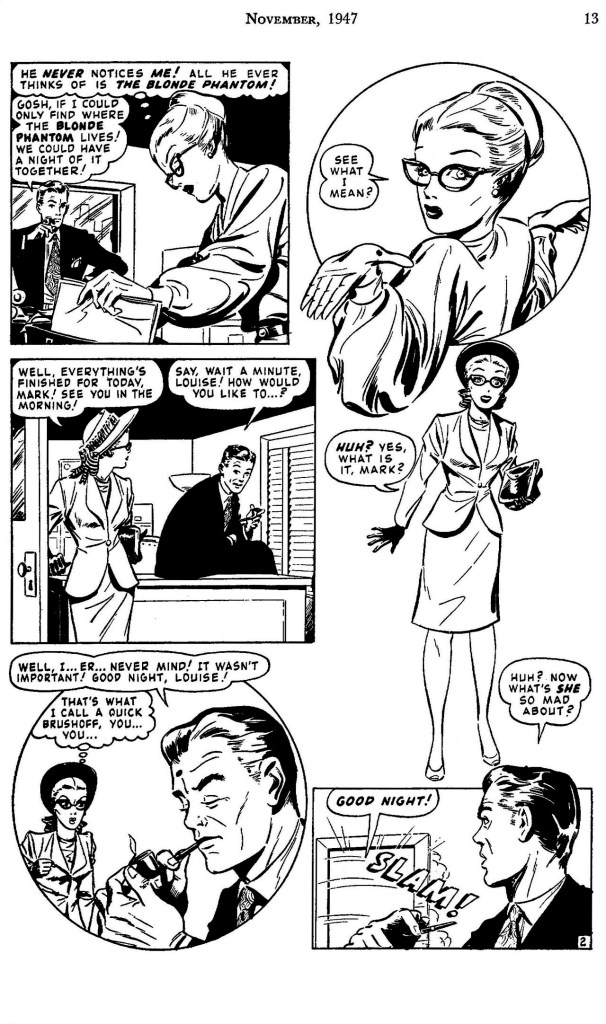
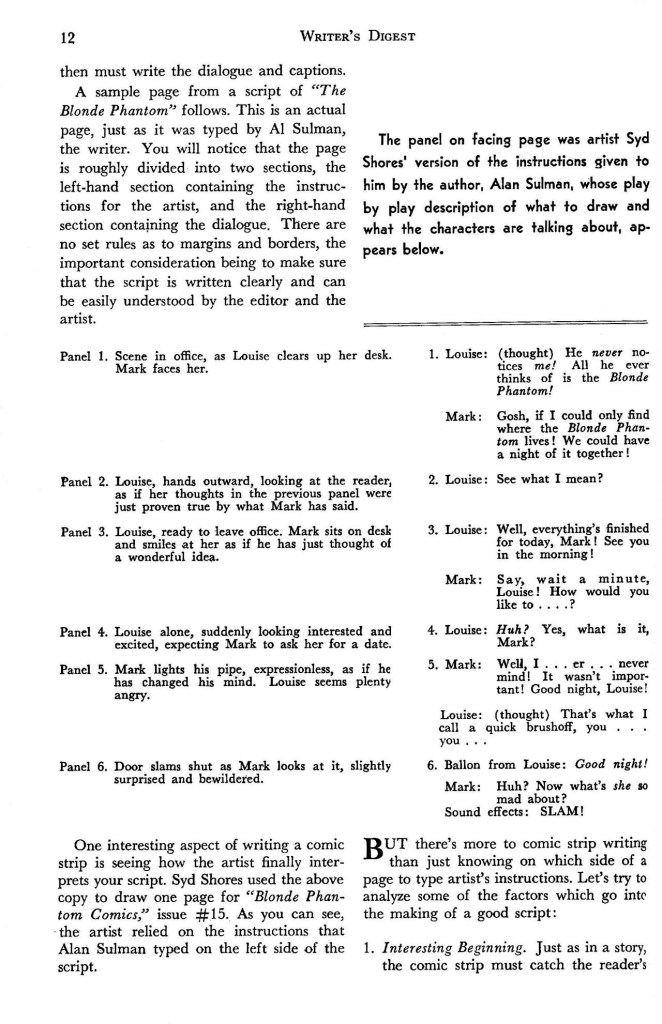
As part of the piece,. Stan shares a page of the script to this Blonde Phantom story from issue #15 written by Al Sulman as well as the finished page illustrated by Syd Shores.

Interestingly, Stan here points to DAREDEVIL and BATMAN as examples of well-written comics for prospective writers to look at. He isn’t wrong, the writing on both of those features was typically better than much of what Timely was publishing–but it’s odd to see stan plugging the competition’s titles this way.
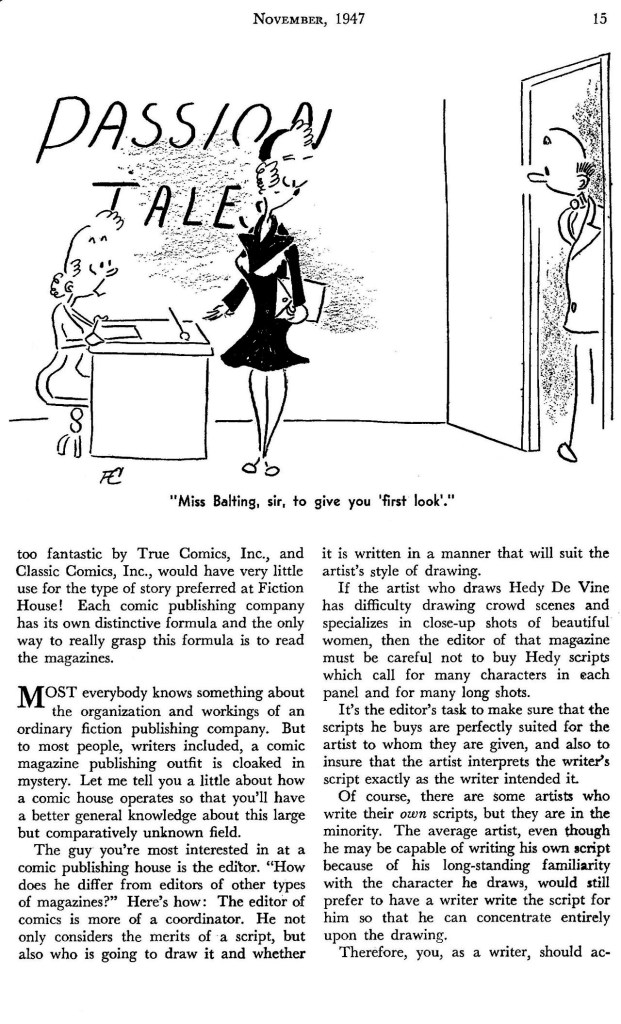
One gets the sense that stan’s comment here about the artist of the Hedy De Vine series not being good at drawing crowd scenes and using more close-up shots is completely accurate, even though the artist in question isn’t named. For what it’s worth, the artist on HEDY in 1947 was Ed Winiarski.
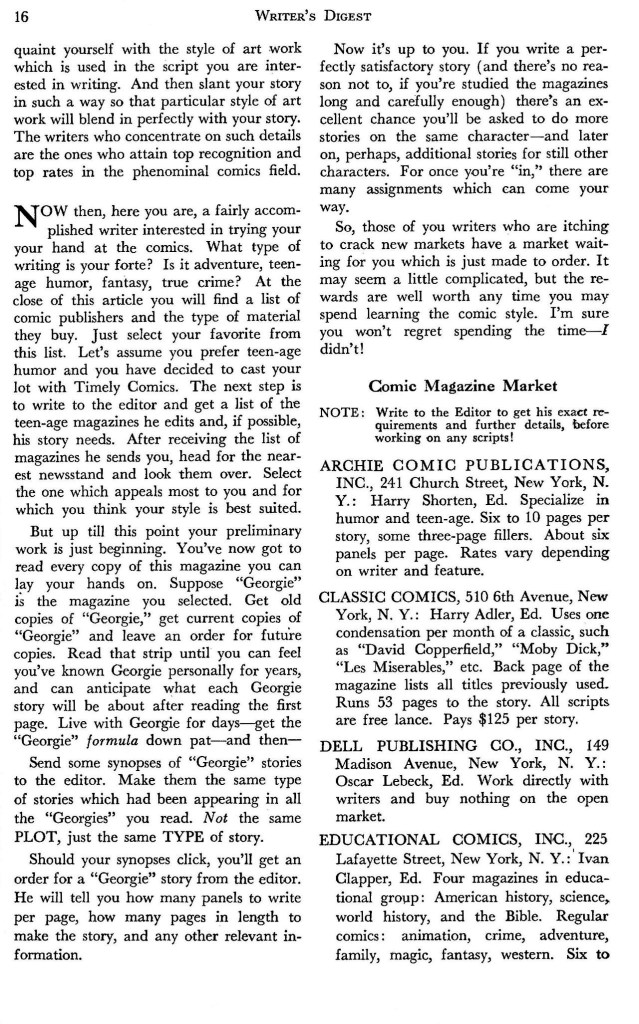
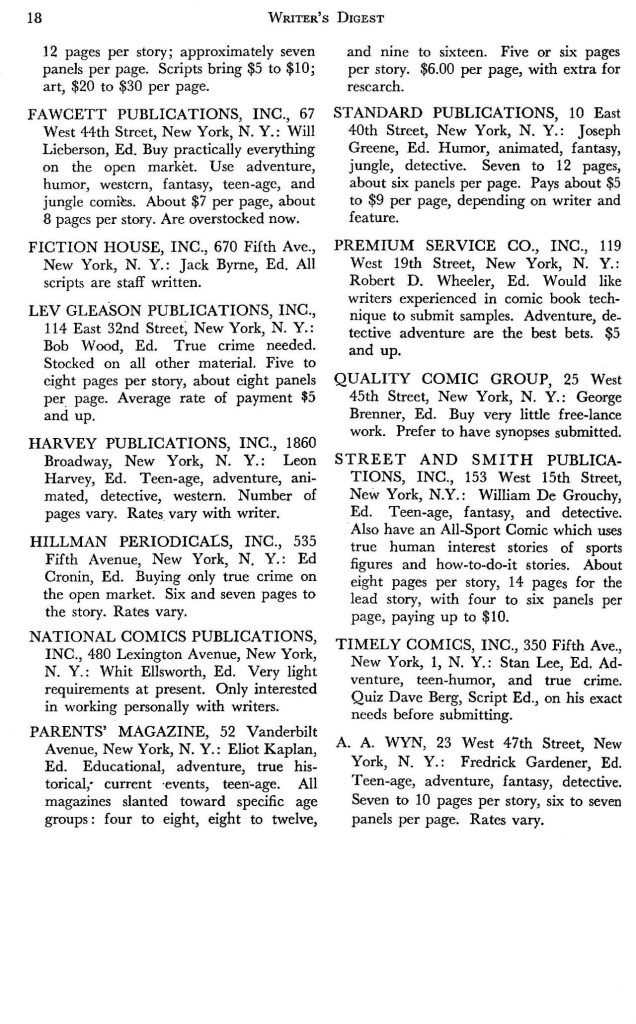
Stan also here lists the different publishers and the editor of record for each one at this moment.
 The Tom Brevoort Experience
Very interesting. Just out of curiosity: the page rate was between 6$ to 9$ in 1947. What does that mean in today’s $? And, of course, what the page rate today?
LikeLike